
Title
The Later Paintings and Drawings of John Constable (Paul Mellon Centre for Studies in British Art) (2 Volumes),Used
Processing time: 1-3 days
US Orders Ships in: 3-5 days
International Orders Ships in: 8-12 days
Return Policy: 15-days return on defective items
Payment Option

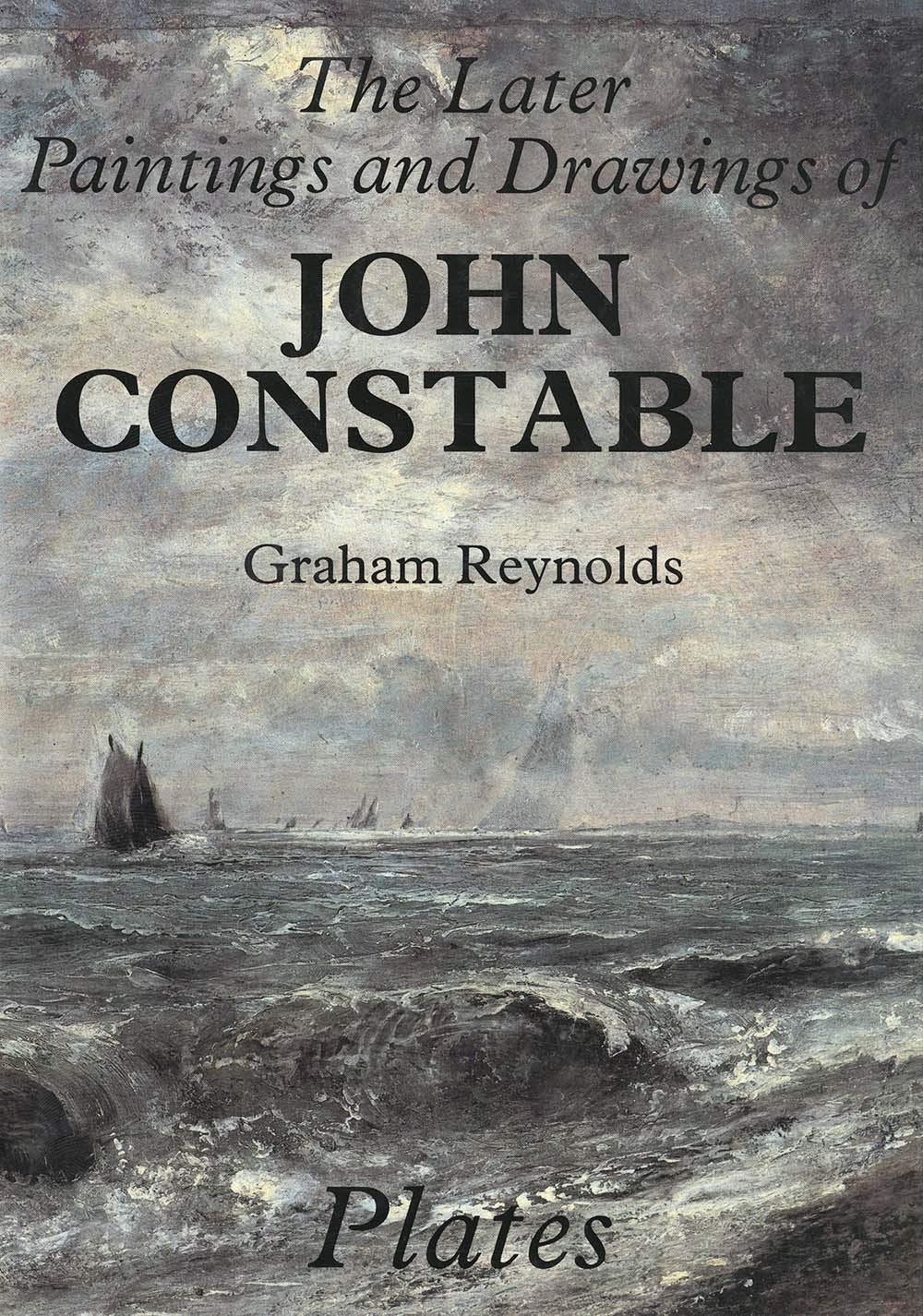
John Constable, one of the most beloved of British painters, is renowned for his poetic approach to nature and his extraordinary use of broken color. In this beautiful twovolume set, the dean of Constable scholars, Graham Reynolds, discusses all the paintings and drawings the artist produced between 1790 and1816, both before and after his breakthrough into the original style that is the basis of his fame. Together with Reynoldss awardwinning The Later Paintings and Drawings of John Constable (1984), the books are a catalogue raisonne of this artists monumental oeuvre.The two volumes, one of text and one of plates, describe and reproduce 1370 paintings and drawings in chronological order. They begin with Constables juvenilia and tentative experiments before he went to London in 1799 to become a professional artist. Next are some lesserknown workselegant figure studies of girls, Constables first portraits, and his Lake District watercolors. Finally are the works after 1808Dedham Vale: morning, Flatford Mill from a Lock on the Stour, A Summerland, The Stour Valley and Dedham Village, and the recently rediscovered The Wheatfieldworks that made Constable a major force in British landscape painting. The volumes also include Constables numerous sketches of his homeland around East Bergholt and Dedham from this period, drawings on which he based his later masterpieces. An appendix records and reproduces, as addenda to The Later Paintings and Drawings, 94 works produced between 1817 and 1836 that have come to light since those books were published.Published for the Paul Mellon Center for Studies in British Art
⚠️ WARNING (California Proposition 65):
This product may contain chemicals known to the State of California to cause cancer, birth defects, or other reproductive harm.
For more information, please visit www.P65Warnings.ca.gov.
- Q: How many pages are in this book? A: This book contains nine hundred forty pages. It features a comprehensive exploration of John Constable's later works.
- Q: What are the dimensions of this book? A: The book measures twelve point zero five inches in length, eight point five eight inches in width, and three point five inches in height.
- Q: What type of binding does this book have? A: This book is bound in hardcover. The durable binding ensures longevity and protection for the contents.
- Q: Who is the author of this book? A: The author is Graham Reynolds, a renowned scholar of John Constable's artwork and contributions.
- Q: What is the main focus of this book? A: The book focuses on the later paintings and drawings of John Constable, detailing his artistic evolution from 1790 to 1816.
- Q: How do I read this book effectively? A: You can read this book by exploring it chronologically, starting from Constable's early works to his most famous pieces.
- Q: Is this book suitable for art students? A: Yes, this book is suitable for art students. It provides in-depth analysis and context about Constable's techniques and contributions.
- Q: Can I use this book for academic research? A: Yes, this book is ideal for academic research. It serves as a catalogue raisonné of John Constable's significant works.
- Q: What should I do to keep this book in good condition? A: To keep this book in good condition, store it upright in a cool, dry place and avoid direct sunlight.
- Q: Does this book have any special features? A: Yes, this book includes an appendix that records and reproduces ninety-four works created between eighteen seventeen and eighteen thirty-six.
- Q: What if the book arrives damaged? A: If the book arrives damaged, you should contact customer service for a return or replacement. Keep all packaging materials.
- Q: Is this book safe for young readers? A: Yes, this book is safe for young readers interested in art. However, it is more suited for those with an appreciation for history and art.
- Q: How is this book organized? A: The book is organized chronologically, detailing Constable's works and including both text and illustrations.
- Q: Can I find this book in libraries? A: Yes, this book may be available in libraries, especially those with strong art or British history collections.
- Q: Is there a specific audience for this book? A: This book is targeted at art enthusiasts, scholars, and anyone interested in British landscape painting.