
Title
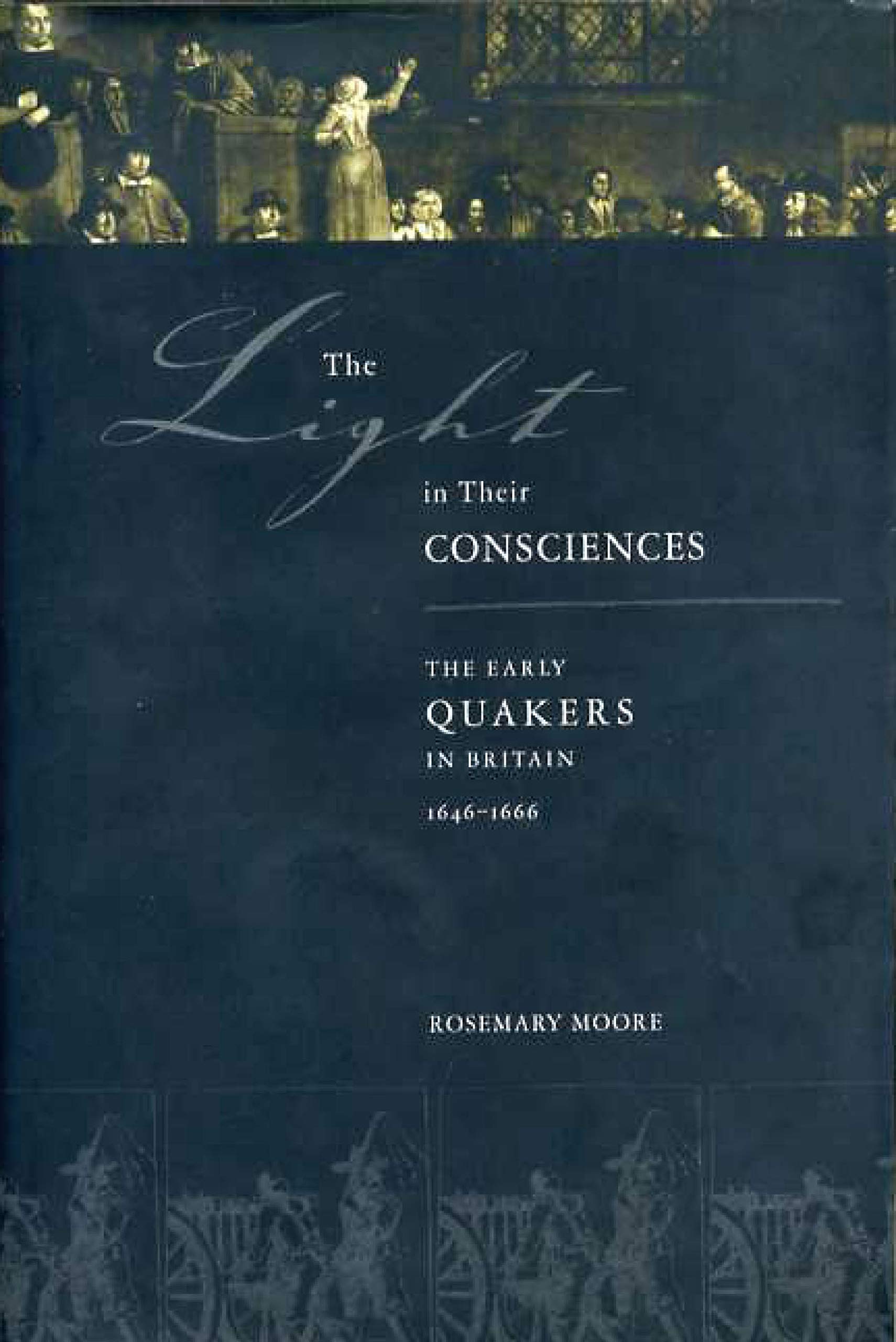
The Light in Their Consciences: The Early Quakers in Britain, 16461666,Used
Sold by Ergodebooks, an authorized reseller.
Returns accepted within 30 days | support@ergodebooks.com
Shipping Information
- Free Standard Shipping — United States only
- Processing Time: 3–5 business days
- Estimated Delivery: 6–10 business days after dispatch
- Double-boxed, fully insured & discreetly packaged
- Tracking number sent via email once dispatched
Returns & Refund
Returns accepted within 30 days of delivery.
Damaged or Defective Item
Free return shipping + replacement or full refund
Wrong Item Received
Free return shipping + replacement or full refund
Change of Mind
Return shipping at customer's expense · 25% restocking fee applies
Payment Option

The Society of Friends, also known as the Quakers, originated in England during the civil wars of the midseventeenth century. Early Quakers have been variously described as founders of a fundamentally new form of spiritual practice, as the radical end of the Protestant Reformation, and as political revolutionaries. In The Light in Their Consciences, which recounts the earliest history of the Friends in England, Rosemary Moore suggests that all of these characterizations are accurate and can help us grasp the true significance of Quakerism.Moore offers compelling portraits of the leading figures of the Quaker movement, notably George Fox, James Nayler, and Margaret Fell. She shows their interrelationships and documents the emergence of George Fox as the leading Friend, relying not so much on Foxs own proclamations as on the perceptions of both his followers and his enemies as reflected in correspondence and printed pamphlets. Moore also charts the growth of a genuine denominational consciousness among Friends. This leads her to continue her account past the customary stopping point of 1660the Restoration of Charles IIup through 1666. It was in that year that Fox initiated major organizational reforms that signaled the true dividing line between the early charismatic Quaker movement and the introverted sect of the later seventeenth century.The Light in Their Consciences combines a lively narrative with impeccable research. Moore draws upon unprecedented computerbased analysis of all the contemporary Quaker and antiQuaker literature. Her account will interest historians, theologians, and members of the Society of Friends throughout the world.
⚠️ WARNING (California Proposition 65):
This product may contain chemicals known to the State of California to cause cancer, birth defects, or other reproductive harm.
For more information, please visit www.P65Warnings.ca.gov.