
Title
The Limits of the Criminal Sanction,Used
Sold by Ergodebooks, an authorized reseller.
Returns accepted within 30 days | support@ergodebooks.com
Shipping Information
- Free Standard Shipping — United States only
- Processing Time: 3–5 business days
- Estimated Delivery: 6–10 business days after dispatch
- Double-boxed, fully insured & discreetly packaged
- Tracking number sent via email once dispatched
Returns & Refund
Returns accepted within 30 days of delivery.
Damaged or Defective Item
Free return shipping + replacement or full refund
Wrong Item Received
Free return shipping + replacement or full refund
Change of Mind
Return shipping at customer's expense · 25% restocking fee applies
Payment Option

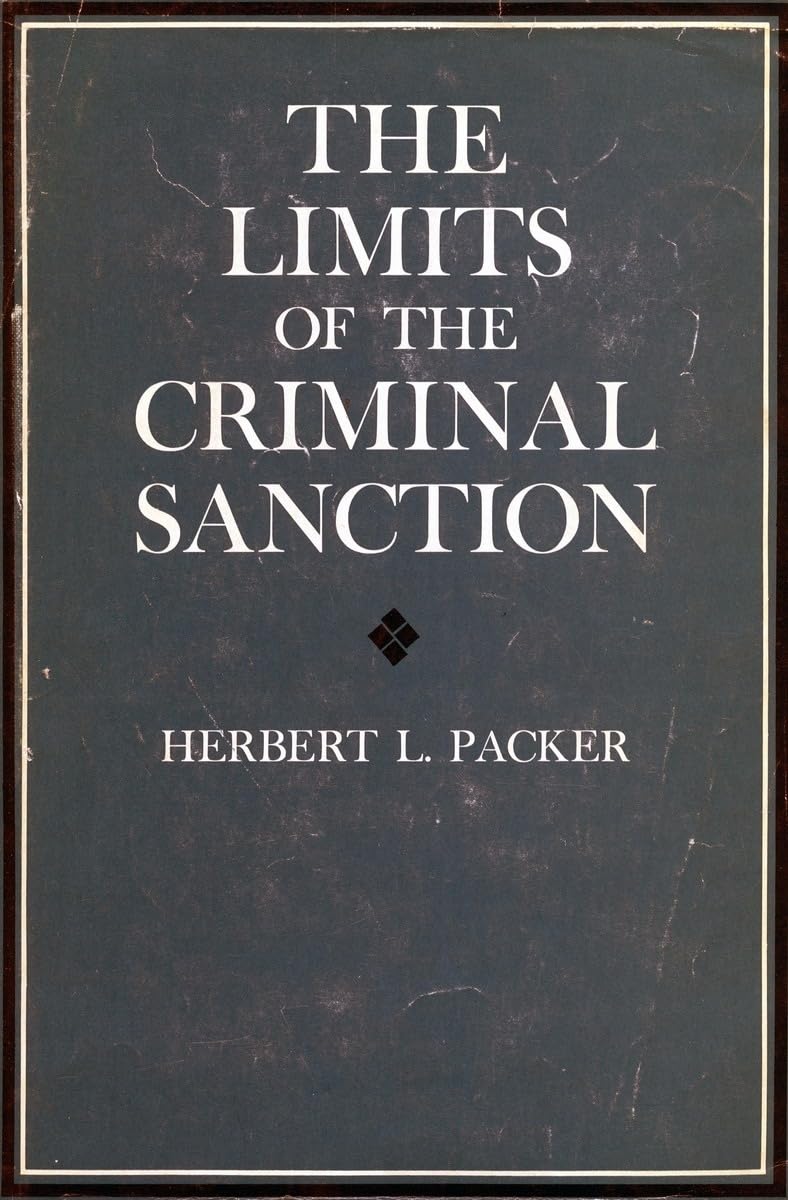
The argument of this book begins with the proposition that there are certain things we must understand about the criminal sanction before we can begin to talk sensibly about its limits. First, we need to ask some questions about the rationale of the criminal sanction. What are we trying to do by defining conduct as criminal and punishing people who commit crimes? To what extent are we justified in thinking that we can or ought to do what we are trying to do? Is it possible to construct an acceptable rationale for the criminal sanction enabling us to deal with the argument that it is itself an unethical use of social power? And if it is possible, what implications does that rationale have for the kind of conceptual creature that the criminal law is? Questions of this order make up Part I of the book, which is essentially an extended essay on the nature and justification of the criminal sanction.We also need to understand, so the argument continues, the characteristic processes through which the criminal sanction operates. What do the rules of the game tell us about what the state may and may not do to apprehend, charge, convict, and dispose of persons suspected of committing crimes? Here, too, there is great controversy between two groups who have quite different views, or models, of what the criminal process is all about. There are people who see the criminal process as essentially devoted to values of efficiency in the suppression of crime. There are others who see those values as subordinate to the protection of the individual in his confrontation with the state. A severe struggle over these conflicting values has been going on in the courts of this country for the last decade or more. How that struggle is to be resolved is a second major consideration that we need to take into account before tackling the question of the limits of the criminal sanction. These problems of process are examined in Part II.Part III deals directly with the central problem of defining criteria for limiting the reach of the criminal sanction. Given the constraints of rationale and process examined in Parts I and II, it argues that we have overrelied on the criminal sanction and that we had better start thinking in a systematic way about how to adjust our commitments to our capacities, both moral and operational.
⚠️ WARNING (California Proposition 65):
This product may contain chemicals known to the State of California to cause cancer, birth defects, or other reproductive harm.
For more information, please visit www.P65Warnings.ca.gov.