
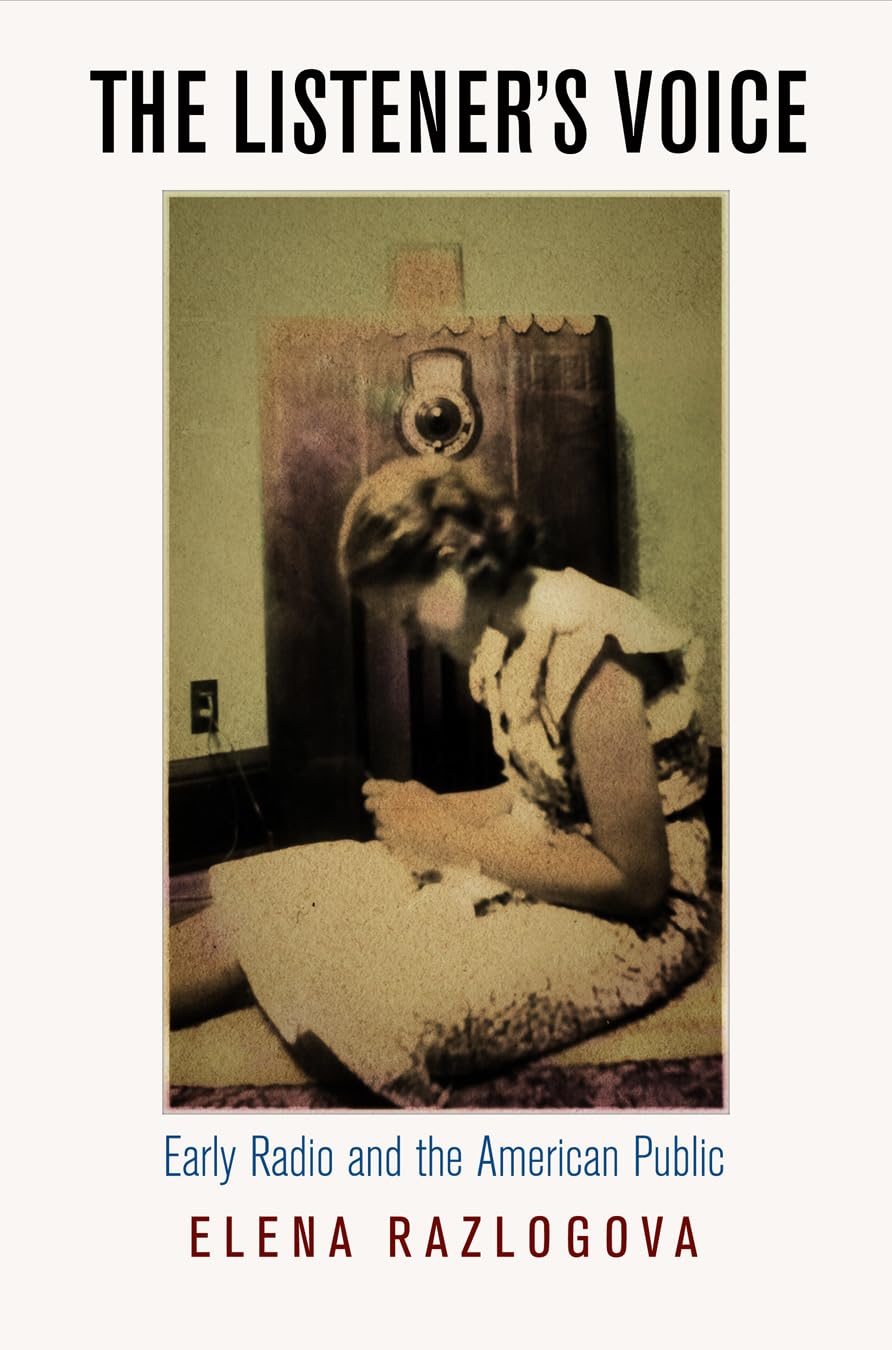
Title
The Listener'S Voice: Early Radio And The American Public,Used
Sold by Ergodebooks, an authorized reseller.
Returns accepted within 30 days | support@ergodebooks.com
Shipping Information
- Free Standard Shipping — United States only
- Processing Time: 3–5 business days
- Estimated Delivery: 6–10 business days after dispatch
- Double-boxed, fully insured & discreetly packaged
- Tracking number sent via email once dispatched
Returns & Refund
Returns accepted within 30 days of delivery.
Damaged or Defective Item
Free return shipping + replacement or full refund
Wrong Item Received
Free return shipping + replacement or full refund
Change of Mind
Return shipping at customer's expense · 25% restocking fee applies
Payment Option

During the Jazz Age and Great Depression, radio broadcasters did not conjure their listening public with a throw of a switch; the public had a hand in its own making. The Listener's Voice describes how a diverse array of Americansboxing fans, radio amateurs, downandout laborers, smalltown housewives, black government clerks, and Mexican farmersparticipated in the formation of American radio, its genres, and its operations.Before the advent of sophisticated marketing research, radio producers largely relied on listeners' phone calls, telegrams, and letters to understand their audiences. Mining this rich archive, historian Elena Razlogova meticulously recreates the world of fans who undermined centralized broadcasting at each creative turn in radio history. Radio outlaws, from the earliest squatter stations and radio tube bootleggers to postwar 'payolahungry' rhythm and blues DJs, provided a crucial source of innovation for the medium. Engineers bent patent regulations. Network writers negotiated with devotees. Program managers invited high school students to spin records. Taken together, these and other practices embodied a participatory ethic that listeners articulated when they confronted national corporate networks and the formulaic ratings system that developed.Using radio as a lens to examine a moral economy that Americans have imagined for their nation, The Listener's Voice demonstrates that tenets of cooperation and reciprocity embedded in today's free software, open access, and filesharing activities apply to earlier instances of cultural production in American history, especially at times when new media have emerged.
⚠️ WARNING (California Proposition 65):
This product may contain chemicals known to the State of California to cause cancer, birth defects, or other reproductive harm.
For more information, please visit www.P65Warnings.ca.gov.