
Title
The Literary Market: Authorship And Modernity In The Old Regime (Material Texts),Used
Sold by Ergodebooks, an authorized reseller.
Returns accepted within 30 days | support@ergodebooks.com
Shipping Information
- Free Standard Shipping — United States only
- Processing Time: 3–5 business days
- Estimated Delivery: 6–10 business days after dispatch
- Double-boxed, fully insured & discreetly packaged
- Tracking number sent via email once dispatched
Returns & Refund
Returns accepted within 30 days of delivery.
Damaged or Defective Item
Free return shipping + replacement or full refund
Wrong Item Received
Free return shipping + replacement or full refund
Change of Mind
Return shipping at customer's expense · 25% restocking fee applies
Payment Option

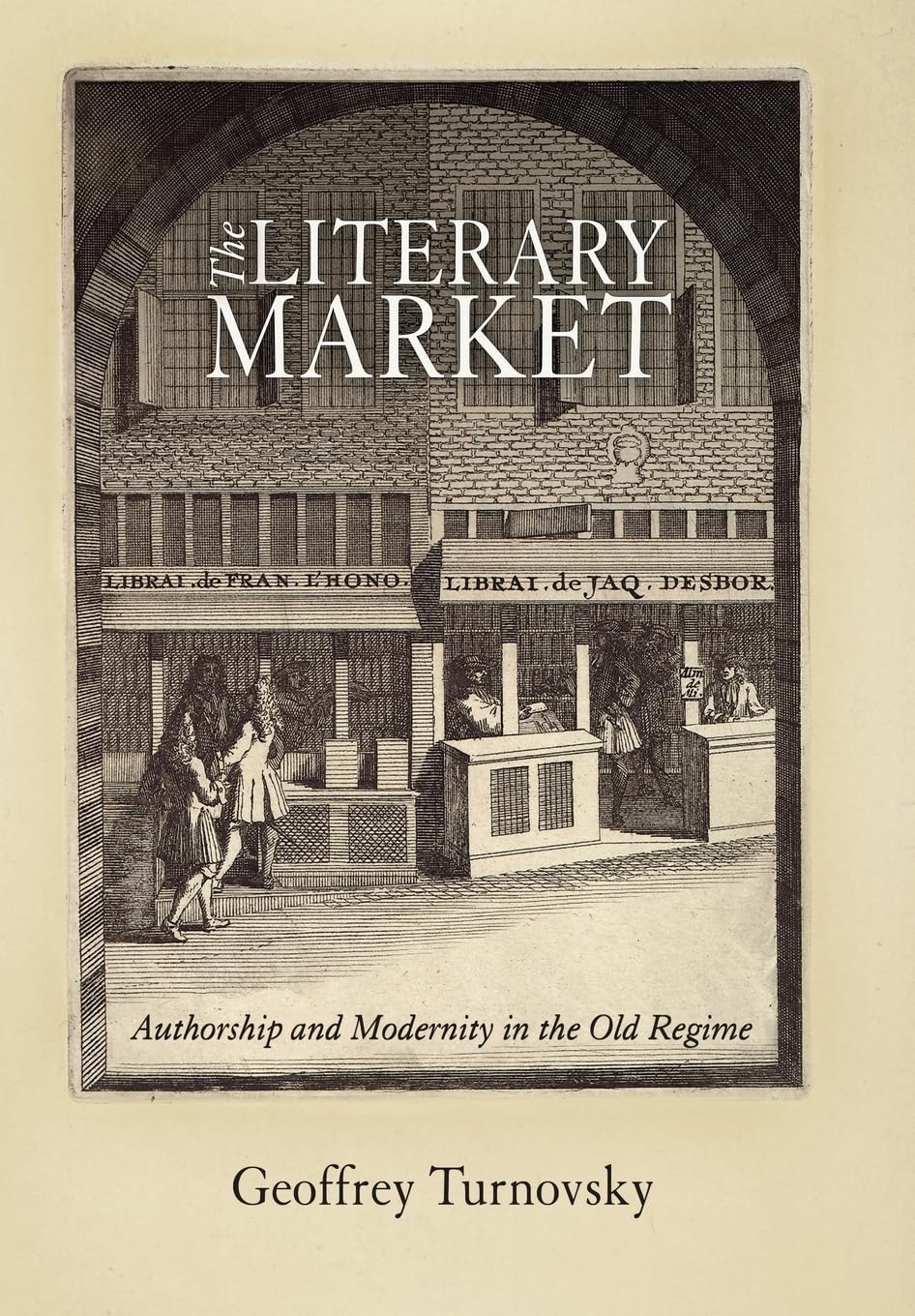
A central theme in the history of Old Regime authorship highlights the opportunities offered by a growing book trade to writers seeking to free themselves from patrons and live 'by the pen.' Accounts of this passage from patronage to market have explored in far greater detail the opportunities themselvesthe rising sums paid by publishers and the progression of laws protecting literary propertythan how and why writers would have seized on them, no doubt because the choice to do so has seemed an obvious or natural one for writers assumed to prefer economic selfsufficiency over elite protection.In The Literary Market, Geoffrey Turnovsky claims that there was nothing obvious or natural about the choice. Writers had been involved in commercial book publication since the earliest days of the printing press, yet had not necessarily linked these activities with their freedom to think and write. The association of autonomy and professionalism was forged, not given. Analyzing the literary market as a key articulation of the association, Turnovsky explores how in eighteenthcentury polemics a rhetoric of commercial authorship came to signify independence for intellectuals. He finds the roots of the connection not in the claims of entrepreneurial writers to rights and income but in a world to which that of the modern author has been contrasted: the aristocratic culture of the seventeenth century. Aristocratic culture, he argues, generated a disparaging view of the professional author as one defined by activities tainting him or her as greedy and arrogant and therefore unworthy of protection and socially isolated. The Literary Market examines the story of the 'birth of the author' in terms of the revalorization of this negative trope in Enlightenmentera debates about the radically changing role of writers in society.
⚠️ WARNING (California Proposition 65):
This product may contain chemicals known to the State of California to cause cancer, birth defects, or other reproductive harm.
For more information, please visit www.P65Warnings.ca.gov.