
Title
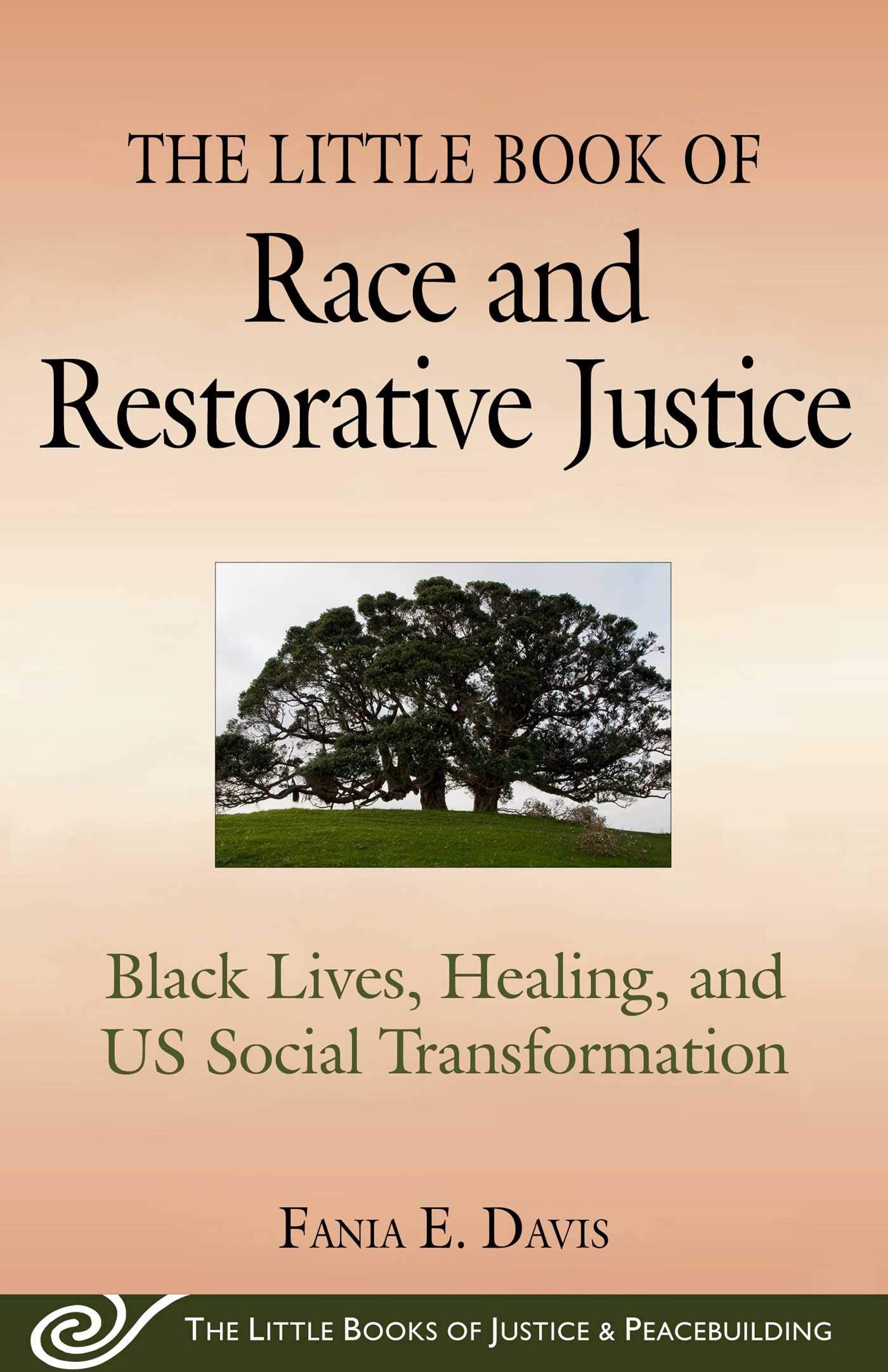
The Little Book of Race and Restorative Justice: Black Lives, Healing, and US Social Transformation (Justice and Peacebuilding),New
Sold by Ergodebooks, an authorized reseller.
Returns accepted within 30 days | support@ergodebooks.com
Shipping Information
- Free Standard Shipping — United States only
- Processing Time: 3–5 business days
- Estimated Delivery: 6–10 business days after dispatch
- Double-boxed, fully insured & discreetly packaged
- Tracking number sent via email once dispatched
Returns & Refund
Returns accepted within 30 days of delivery.
Damaged or Defective Item
Free return shipping + replacement or full refund
Wrong Item Received
Free return shipping + replacement or full refund
Change of Mind
Return shipping at customer's expense · 25% restocking fee applies
Payment Option

In our era of mass incarceration, gun violence, and Black Lives Matters, a handbook showing how racial justice and restorative justice can transform the AfricanAmerican experience in America.This timely work will inform scholars and practitioners on the subjects of pervasive racial inequity and the healing offered by restorative justice practices. Addressing the intersectionality of race and the US criminal justice system, social activist Fania E. Davis explores how restorative justice has the capacity to disrupt patterns of mass incarceration through effective, equitable, and transformative approaches. Eager to break the stillpervasive, centurieslong cycles of racial prejudice and trauma in America, Davis unites the racial justice and restorative justice movements, aspiring to increase awareness of deepseated problems as well as positive action toward change.Davis highlights real restorative justice initiatives that function from a racial justice perspective; these programs are utilized in schools, justice systems, and communities, intentionally seeking to ameliorate racial disparities and systemic inequities. Chapters include:Chapter 1: The Journey to Racial Justice and Restorative JusticeChapter 2: Ubuntu: The Indigenous Ethos of Restorative JusticeChapter 3: Integrating Racial Justice and Restorative JusticeChapter 4: Race, Restorative Justice, and SchoolsChapter 5: Restorative Justice and Transforming Mass IncarcerationChapter 6: Toward a Racial Reckoning: Imagining a Truth Process for Police ViolenceChapter 7: A Way ForwardShe looks at initiatives that strive to address the historical harms against African Americans throughout the nation. This newest addition the Justice and Peacebuilding series is a much needed and long overdue examination of the issue of race in America as well as a beacon of hope as we learn to work together to repair damage, change perspectives, and strive to do better.
⚠️ WARNING (California Proposition 65):
This product may contain chemicals known to the State of California to cause cancer, birth defects, or other reproductive harm.
For more information, please visit www.P65Warnings.ca.gov.
- Q: What is the main focus of 'The Little Book of Race and Restorative Justice'? A: The book addresses the intersection of racial justice and restorative justice, exploring how these frameworks can transform the African-American experience in America amidst issues like mass incarceration and systemic inequity.
- Q: Who is the author of this book? A: The author is Fania E. Davis, a social activist who draws on her expertise to discuss racial and restorative justice practices.
- Q: What topics are covered in the book? A: Key topics include the journey to racial justice, the Indigenous ethos of restorative justice, initiatives in schools, and approaches to transforming mass incarceration.
- Q: How many pages does the book have? A: The book contains 120 pages, providing a concise yet comprehensive examination of the issues discussed.
- Q: What type of binding does this book have? A: This book is available in paperback binding, making it accessible and easy to handle.
- Q: When was 'The Little Book of Race and Restorative Justice' published? A: The book was published on April 16, 2019.
- Q: Is this book suitable for academic use? A: Yes, the book is suitable for scholars and practitioners interested in racial equity and restorative justice, making it a valuable resource for academic discussions.
- Q: Does the book include real-life examples of restorative justice initiatives? A: Yes, the book highlights real restorative justice programs that function from a racial justice perspective, illustrating their impact on communities and schools.
- Q: What is the target audience for this book? A: The target audience includes scholars, practitioners, students, and anyone interested in understanding the dynamics of race and justice in the U.S.
- Q: Are there any specific chapters that focus on police violence? A: Yes, Chapter 6, titled 'Toward a Racial Reckoning: Imagining a Truth Process for Police Violence,' specifically addresses this critical issue.