
Title
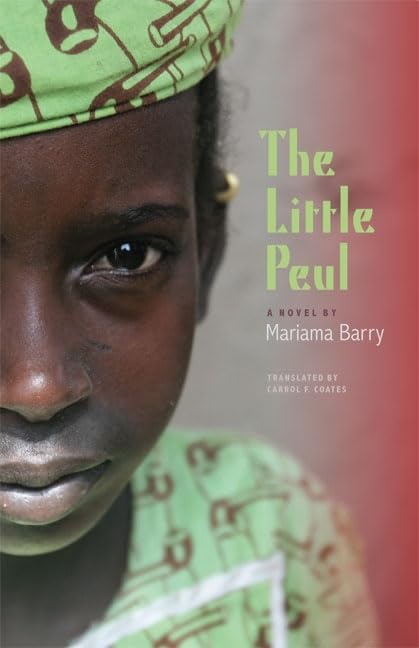
The Little Peul (CARAF Books: Caribbean and African Literature Translated from French),Used
Sold by Ergodebooks, an authorized reseller.
Returns accepted within 30 days | support@ergodebooks.com
Shipping Information
- Free Standard Shipping — United States only
- Processing Time: 3–5 business days
- Estimated Delivery: 6–10 business days after dispatch
- Double-boxed, fully insured & discreetly packaged
- Tracking number sent via email once dispatched
Returns & Refund
Returns accepted within 30 days of delivery.
Damaged or Defective Item
Free return shipping + replacement or full refund
Wrong Item Received
Free return shipping + replacement or full refund
Change of Mind
Return shipping at customer's expense · 25% restocking fee applies
Payment Option

Born in Dakar but of Guinean origin, Mariama Barry claims both Senegal and Guinea as 'her' countries. This dual background lends her significant and widespread visibility not only because she is the first woman writer of Guinea to have gained extensive international recognition but also because Senegalese women novelists were the first African women writing in French to win international acclaim.Barry's autobiographical novel, La petite Peule (2000), is the story of an early Peul childhood spent in Senegal. The Peul are a primarily nomadic people of western Africa. The book opens with a description of the violence and trauma of a young girls excision at age six. This is but the first of many trials. After a younger brother is almost killed by a truck, the family moves to La Medina, a Dakar neighborhood where rats gnaw on childrens toes at night and where children must struggle with adults in order to fetch water or use the communal toilet. Attending school is the one high point in the girls life, but even there she must stand up to older bullies. Her family life is completely upset when her mother walks out, leaving her to clean, cook, and care for her younger brothers. Then when her father finds it impossible to cope with the children and with his failing business, he withdraws the little Peul from school and relocates the family once again, this time to his mothers village in the mountains of northern Guinea. Indignant that children have no rights and are lied to and deserted by their own parents, the young protagonist rebels against the idea that women should accept suffering and subjugation to men. She is determined to direct her own life and assert her right to do so.
⚠️ WARNING (California Proposition 65):
This product may contain chemicals known to the State of California to cause cancer, birth defects, or other reproductive harm.
For more information, please visit www.P65Warnings.ca.gov.