
Title
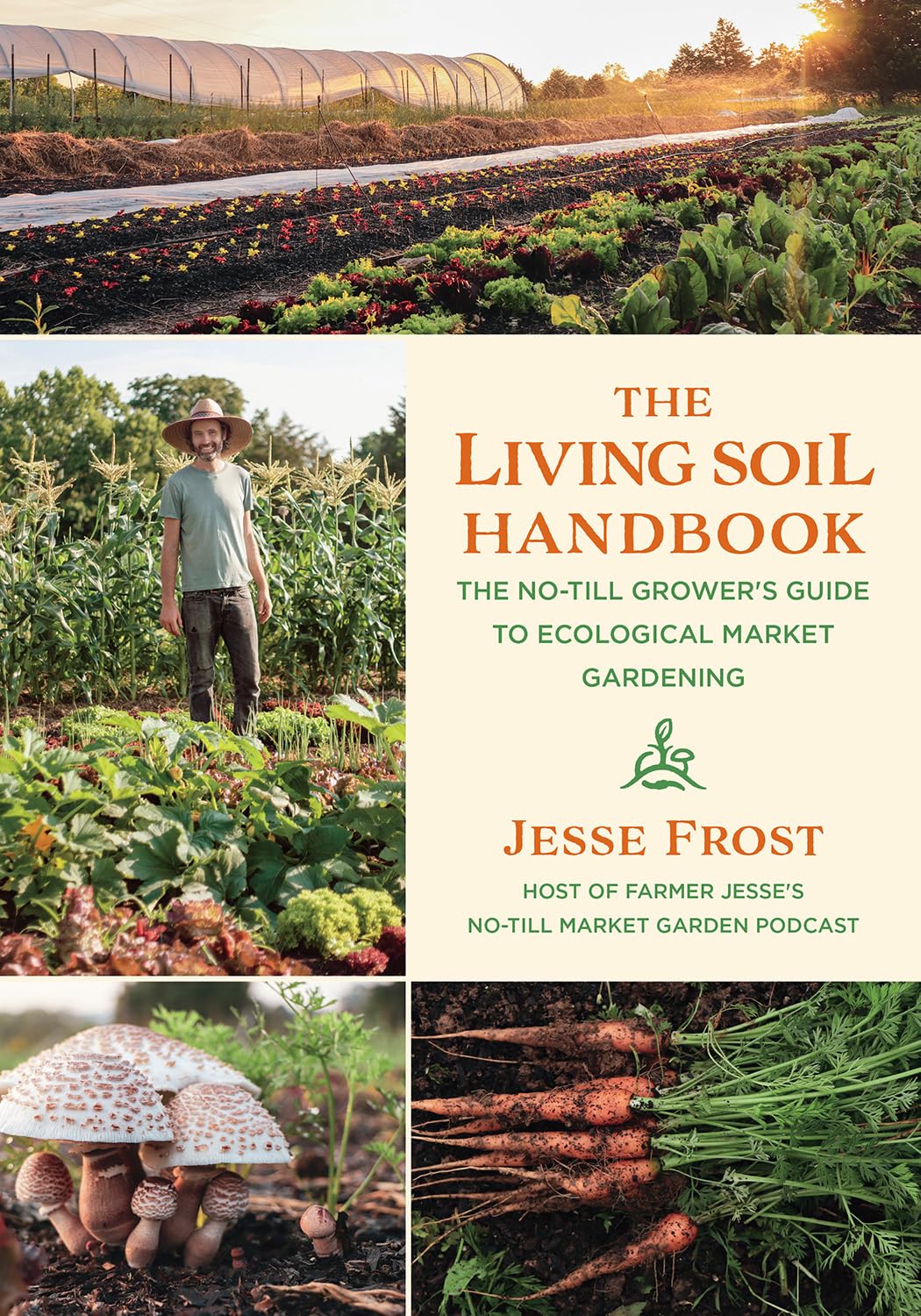
The Living Soil Handbook: The NoTill Grower's Guide to Ecological Market Gardening,Used
Sold by Ergodebooks, an authorized reseller.
Returns accepted within 30 days | support@ergodebooks.com
Shipping Information
- Free Standard Shipping — United States only
- Processing Time: 3–5 business days
- Estimated Delivery: 6–10 business days after dispatch
- Double-boxed, fully insured & discreetly packaged
- Tracking number sent via email once dispatched
Returns & Refund
Returns accepted within 30 days of delivery.
Damaged or Defective Item
Free return shipping + replacement or full refund
Wrong Item Received
Free return shipping + replacement or full refund
Change of Mind
Return shipping at customer's expense · 25% restocking fee applies
Payment Option

Principles and farmtested practices for notill market gardeningfor healthier, more productive soil!From the host of the popular The NoTill Market Garden Podcastheard around the world with nearly one million downloads!Discovering how to meet the soils needs is the key task for every market gardener. In this comprehensive guide, Farmer Jesse Frost shares all he has learned through experience and experimentation with notill practices on his home farm in Kentucky and from interviews and visits with highly successful market gardeners in his role as host of The NoTill Market Garden Podcast.The Living Soil Handbook is centered around the three basic principles of notill market gardening: Disturb the soil as little as possible Keep it covered as much as possible Keep it planted as much as possible.Farmer Jesse then guides readers in applying those principles to their own garden environment, with their own materials, to meet their own goals.Beginning with an exploration of the importance of photosynthesis to living soil, Jesse provides indepth information on: Turning over beds Using compost and mulch Path management Incorporating biology, maintaining fertility Cover cropping Diversifying plantings through intercropping Production methods for seven major cropsThroughout, the book emphasizes practical information on all the best tools and practices for growers who want to build their livelihood around maximizing the health of their soil.Farmer Jesse reminds growers that as possible is the mantra for protecting the living soil: disturb the soil as little as you possibly can in your context. He does not believe that growers should anguish over what does and does not qualify as notill. If you are using a tool to promote soil life and biology, thats the goal. Jesses goal with The Living Soil Handbook is to provide a comprehensive set of options, materials, and fieldtested practices to inspire growers to design a soilnurturing notill system in their unique garden or farm ecosystem."[A] practical, informative debut. . . .Gardeners interested in sustainable agriculture will find this a great place to start."Publishers Weekly"Frost offers a comprehensive, sciencebased, sympathetic, wholly practical guide to soil building, that most critical factor in vegetable gardening for market growers and home gardeners alike. A gift to any vegetable plot that will keep on giving."Booklist (starred review)
⚠️ WARNING (California Proposition 65):
This product may contain chemicals known to the State of California to cause cancer, birth defects, or other reproductive harm.
For more information, please visit www.P65Warnings.ca.gov.
- Q: How many pages does The Living Soil Handbook have? A: The Living Soil Handbook has three hundred four pages. This comprehensive guide provides in-depth information on no-till market gardening practices.
- Q: What are the dimensions of The Living Soil Handbook? A: The dimensions are seven point zero one inches in length, zero point six three inches in width, and nine point nine seven inches in height. These measurements make it a convenient size for any bookshelf.
- Q: What type of binding does this book have? A: The book is available in paperback binding. This format offers flexibility and ease of use for readers.
- Q: Who is the author of The Living Soil Handbook? A: The author is Jesse Frost. He is known for his expertise in no-till market gardening and hosts The No-Till Market Garden Podcast.
- Q: What is the primary focus of The Living Soil Handbook? A: The primary focus is on no-till market gardening. It emphasizes the importance of healthy soil for productive farming.
- Q: How can I apply the principles in The Living Soil Handbook to my garden? A: You can apply the principles by minimizing soil disturbance, keeping it covered, and maximizing planting. Jesse Frost provides practical advice tailored to different gardening contexts.
- Q: Is The Living Soil Handbook suitable for beginners? A: Yes, it is suitable for beginners. The book offers foundational knowledge and practical tips for those new to no-till gardening.
- Q: What farming practices does The Living Soil Handbook cover? A: It covers practices like composting, cover cropping, and intercropping. These methods are essential for enhancing soil health and productivity.
- Q: Can I use The Living Soil Handbook for urban gardening? A: Yes, it is applicable for urban gardening. The principles discussed can be adapted to small spaces and diverse urban environments.
- Q: What should I do if my copy of The Living Soil Handbook arrives damaged? A: You should contact the seller for a return or replacement. Most retailers have policies in place for damaged books.
- Q: Is there a warranty or return policy for The Living Soil Handbook? A: Typically, there is a return policy. Check the specific retailer’s guidelines for details regarding returns and exchanges.
- Q: How should I store The Living Soil Handbook? A: Store it in a cool, dry place away from direct sunlight. Proper storage will help preserve its condition over time.
- Q: What if I have questions while reading The Living Soil Handbook? A: You can refer to additional resources or online forums related to no-till gardening for further assistance. Engaging with gardening communities can provide valuable insights.
- Q: Does The Living Soil Handbook include illustrations or diagrams? A: Yes, it includes illustrations and diagrams. These visuals help clarify the practices and concepts discussed in the text.
- Q: Is this book suitable for both market gardeners and home gardeners? A: Yes, it is suitable for both. The guidance provided can benefit market gardeners as well as those gardening at home.
- Q: What is the main takeaway from The Living Soil Handbook? A: The main takeaway is to prioritize soil health through no-till practices. This approach aims to improve productivity and sustainability in gardening.