
Title
The Long Way Home: The Meaning and Values of Repatriation (Museums and Collections),Used
Sold by Ergodebooks, an authorized reseller.
Returns accepted within 30 days | support@ergodebooks.com
Shipping Information
- Free Standard Shipping — United States only
- Processing Time: 3–5 business days
- Estimated Delivery: 6–10 business days after dispatch
- Double-boxed, fully insured & discreetly packaged
- Tracking number sent via email once dispatched
Returns & Refund
Returns accepted within 30 days of delivery.
Damaged or Defective Item
Free return shipping + replacement or full refund
Wrong Item Received
Free return shipping + replacement or full refund
Change of Mind
Return shipping at customer's expense · 25% restocking fee applies
Payment Option

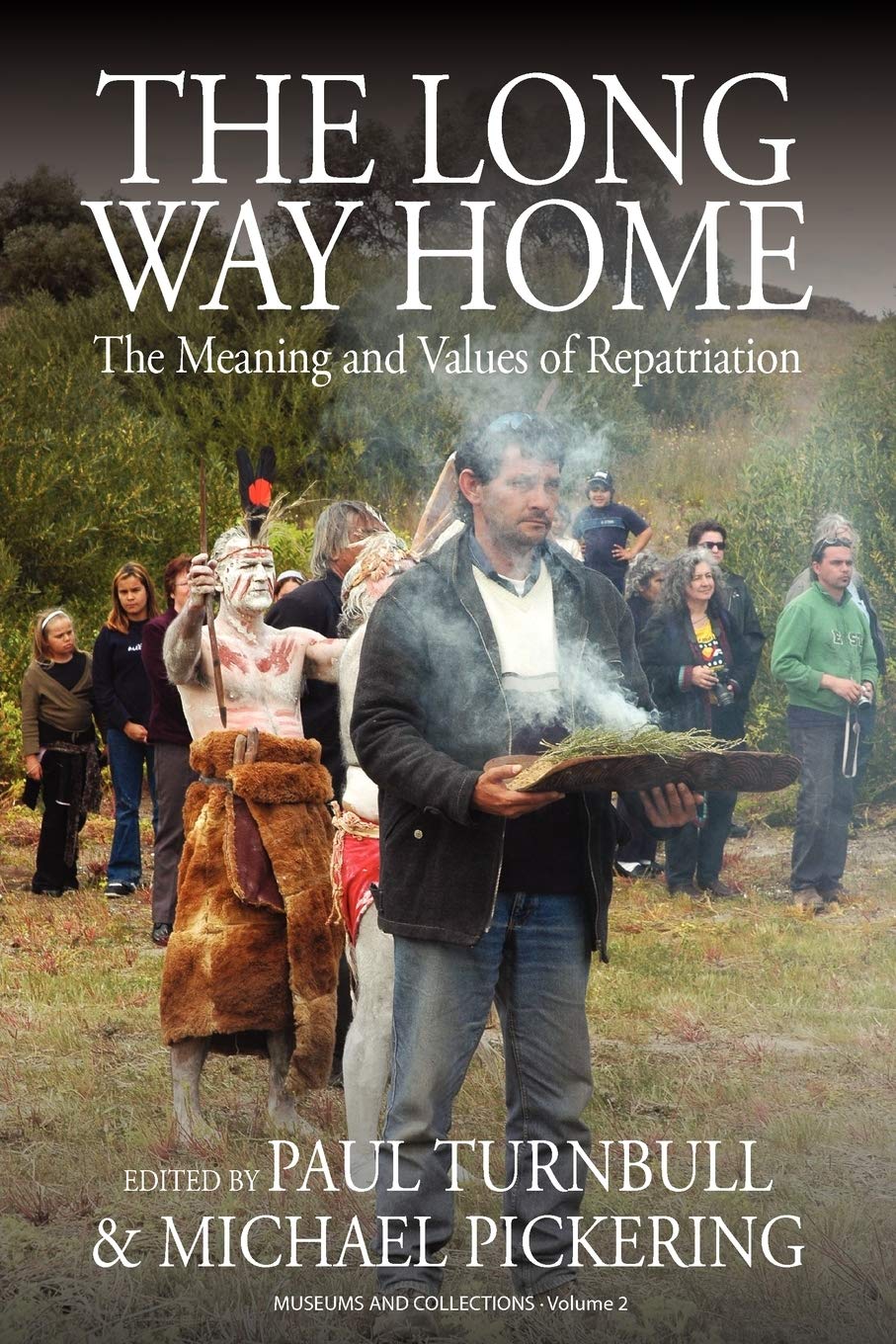
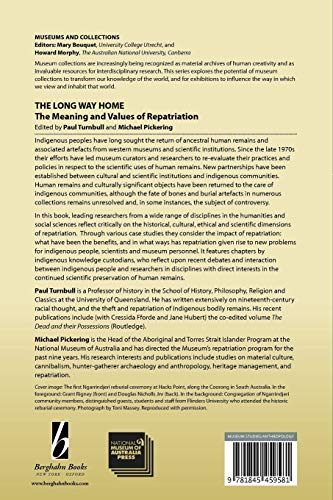
Indigenous peoples have long sought the return of ancestral human remains and associated artifacts from western museums and scientific institutions. Since the late 1970s their efforts have led museum curators and researchers to reevaluate their practices and policies in respect to the scientific uses of human remains. New partnerships have been established between cultural and scientific institutions and indigenous communities. Human remains and culturally significant objects have been returned to the care of indigenous communities, although the fate of bones and burial artifacts in numerous collections remains unresolved and, in some instances, the subject of controversy. In this book, leading researchers from a wide range of disciplines in the humanities and social sciences reflect critically on the historical, cultural, ethical and scientific dimensions of repatriation. Through various case studies they consider the impact of repatriation: what have been the benefits, and in what ways has repatriation given rise to new problems for indigenous people, scientists and museum personnel. It features chapters by indigenous knowledge custodians, who reflect upon recent debates and interaction between indigenous people and researchers in disciplines with direct interests in the continued scientific preservation of human remains.In this book, leading researchers from a wide range of disciplines in the humanities and social sciences reflect critically on the historical, cultural, ethical and scientific dimensions of repatriation. Through various case studies they consider the impact of repatriation: what have been the benefits, and in what ways has repatriation given rise to new problems for indigenous people, scientists and museum personnel. It features chapters by indigenous knowledge custodians, who reflect upon recent debates and interaction between indigenous people and researchers in disciplines with direct interests in the continued scientific preservation of human remains.
⚠️ WARNING (California Proposition 65):
This product may contain chemicals known to the State of California to cause cancer, birth defects, or other reproductive harm.
For more information, please visit www.P65Warnings.ca.gov.