
Title
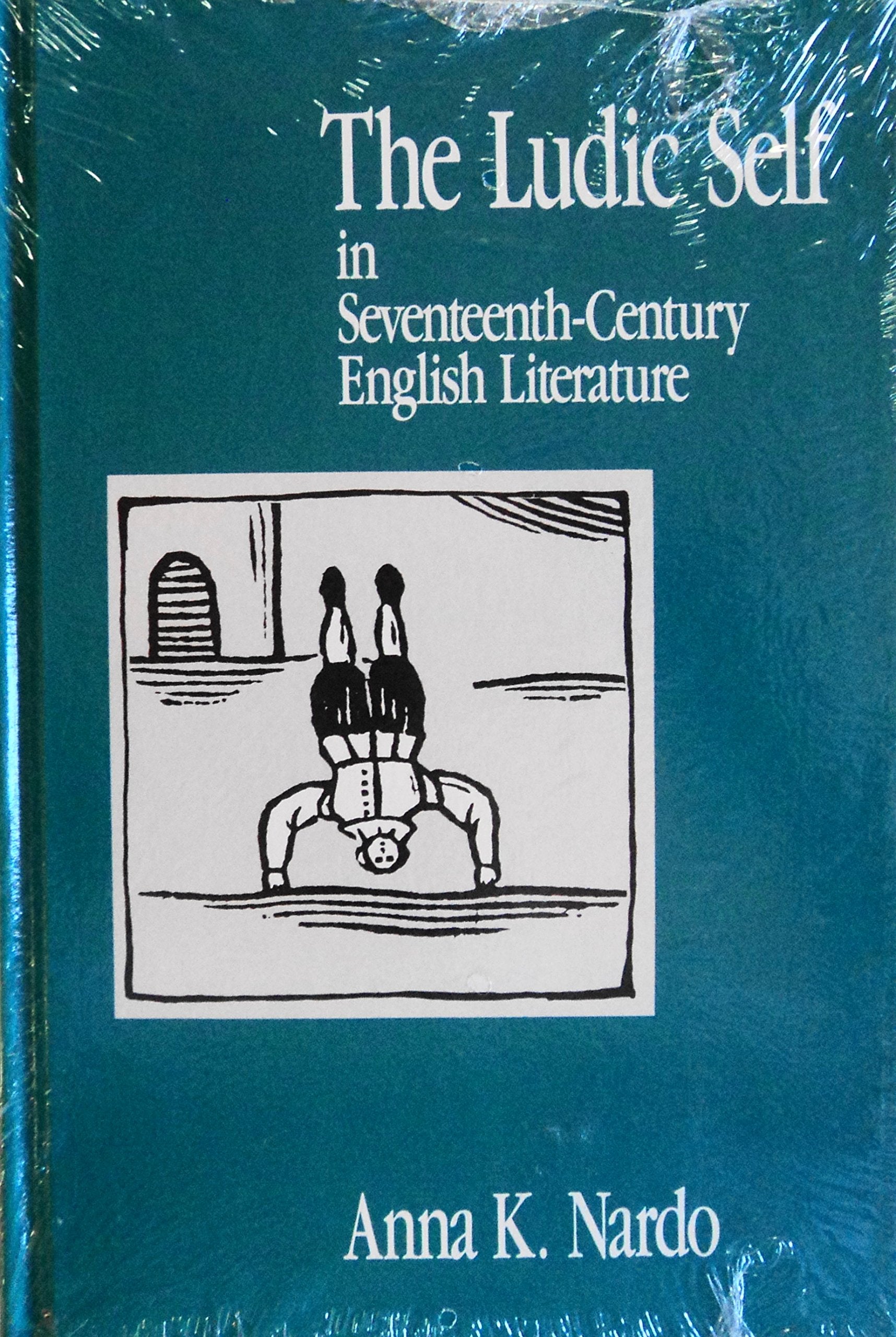
The Ludic Self in SeventeenthCentury English Literature (Suny Series, the Margins of Literature),Used
Sold by Ergodebooks, an authorized reseller.
Returns accepted within 30 days | support@ergodebooks.com
Shipping Information
- Free Standard Shipping — United States only
- Processing Time: 3–5 business days
- Estimated Delivery: 6–10 business days after dispatch
- Double-boxed, fully insured & discreetly packaged
- Tracking number sent via email once dispatched
Returns & Refund
Returns accepted within 30 days of delivery.
Damaged or Defective Item
Free return shipping + replacement or full refund
Wrong Item Received
Free return shipping + replacement or full refund
Change of Mind
Return shipping at customer's expense · 25% restocking fee applies
Payment Option

Product Description This book argues that play offered Hamlet, John Donne, George Herbert, Andrew Marvell, Robert Burton, and Sir Thomas Browne a way to live within the contradictions and conflicts of late Renaissance life by providing a new stance for the self. Grounding its argument in recent theories of play and in a historical analysis that sees the seventeenth century as a point of crisis in the formation of the western self, the author demonstrates how play helped mediate this crisis and how central texts of the period enact this mediation. Review The Ludic Self is refreshingly well written in clear prose that details the case for a playful reading of the seventeenthcentury writers the text considers. As Nardo points out, many of these authors have been thought of as playful in the past, but I know of no text that provides such a convincing view of their playfulness, in large part because Nardos view of play is such a useful one and is so carefully and thoroughly presented. At the same time, it is clear that Nardo knows her material, knows the secondary sources, and has a sufficiently strong grounding in theoretical and psychoanalytical texts to provide a cogent and selfassured reading of the seventeenth century through the works she discusses. The reader has full confidence in the stance taken because of that selfassurance. James S. Hans, Wake Forest UniversityThe concept of play is central to the culture of the seventeenth century and to English literature in particular. Ms. Nardo convincingly illustrates its significance to the writers she has chosen, both in their texts and the critical contexts to which they relate. Thomas Harrison, University of Pennsylvania About the Author Anna K. Nardo is Professor of English Literature at Louisiana State University. She is the author of Miltons Sonnets and the Ideal Community.
⚠️ WARNING (California Proposition 65):
This product may contain chemicals known to the State of California to cause cancer, birth defects, or other reproductive harm.
For more information, please visit www.P65Warnings.ca.gov.