
Title
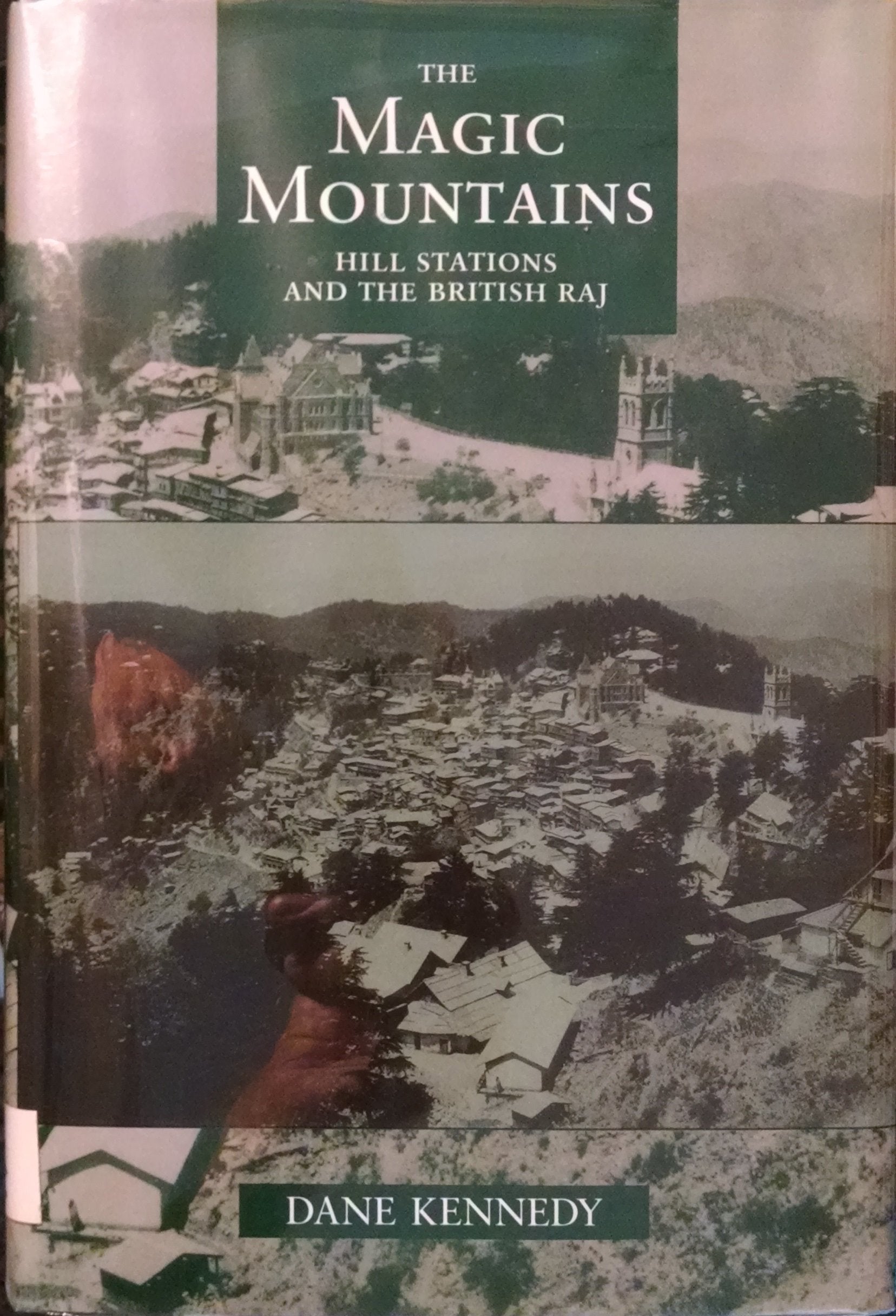
The Magic Mountains: Hill Stations and the British Raj,Used
Sold by Ergodebooks, an authorized reseller.
Returns accepted within 30 days | support@ergodebooks.com
Shipping Information
- Free Standard Shipping — United States only
- Processing Time: 3–5 business days
- Estimated Delivery: 6–10 business days after dispatch
- Double-boxed, fully insured & discreetly packaged
- Tracking number sent via email once dispatched
Returns & Refund
Returns accepted within 30 days of delivery.
Damaged or Defective Item
Free return shipping + replacement or full refund
Wrong Item Received
Free return shipping + replacement or full refund
Change of Mind
Return shipping at customer's expense · 25% restocking fee applies
Payment Option

Perched among peaks that loom over heatshimmering plains, hill stations remain among the most curious monuments to the British colonial presence in India. In this engaging and meticulously researched study, Dane Kennedy explores the development and history of the hill stations of the raj. He shows that these cloudenshrouded havens were sites of both refuge and surveillance for British expatriates: sanctuaries from the harsh climate as well as an alien culture; artificial environments where colonial rulers could nurture, educate, and reproduce themselves; commanding heights from which orders could be issued with an Olympian authority.Kennedy charts the symbolic and sociopolitical functions of the hill stations over the course of the nineteenth and early twentieth centuries, arguing that these highland communities became much more significant to the British colonial government than mere places for rest and play. Particularly after the revolt of 1857, they became headquarters for colonial political and military authorities. In addition, the hill stations provided employment to countless Indians who worked as porters, merchants, government clerks, domestics, and carpenters.The isolation of British authorities at the hill stations reflected the paradoxical character of the British raj itself, Kennedy argues. While attempting to control its subjects, it remained aloof from Indian society. Ironically, as more Indians were drawn to these mountain areas for work, and later for vacation, the carefully guarded boundaries between the British and their subjects eroded. Kennedy argues that after the turn of the century, the hill stations were increasingly incorporated into the landscape of Indian social and cultural life.
⚠️ WARNING (California Proposition 65):
This product may contain chemicals known to the State of California to cause cancer, birth defects, or other reproductive harm.
For more information, please visit www.P65Warnings.ca.gov.