If you have any questions, you are always welcome to contact us. We'll get back to you as soon as possible, withing 24 hours on weekdays.
Customer service
All questions about your order, return and delivery must be sent to our customer service team by e-mail at yourstore@yourdomain.com
Sale & Press
If you are interested in selling our products, need more information about our brand or wish to make a collaboration, please contact us at press@yourdomain.com
Help
If you have any questions, you are always welcome to contact us. We'll get back to you as soon as possible, withing 24 hours on weekdays.
Customer service
All questions about your order, return and delivery must be sent to our customer service team by e-mail at yourstore@yourdomain.com
Sale & Press
If you are interested in selling our products, need more information about our brand or wish to make a collaboration, please contact us at press@yourdomain.com
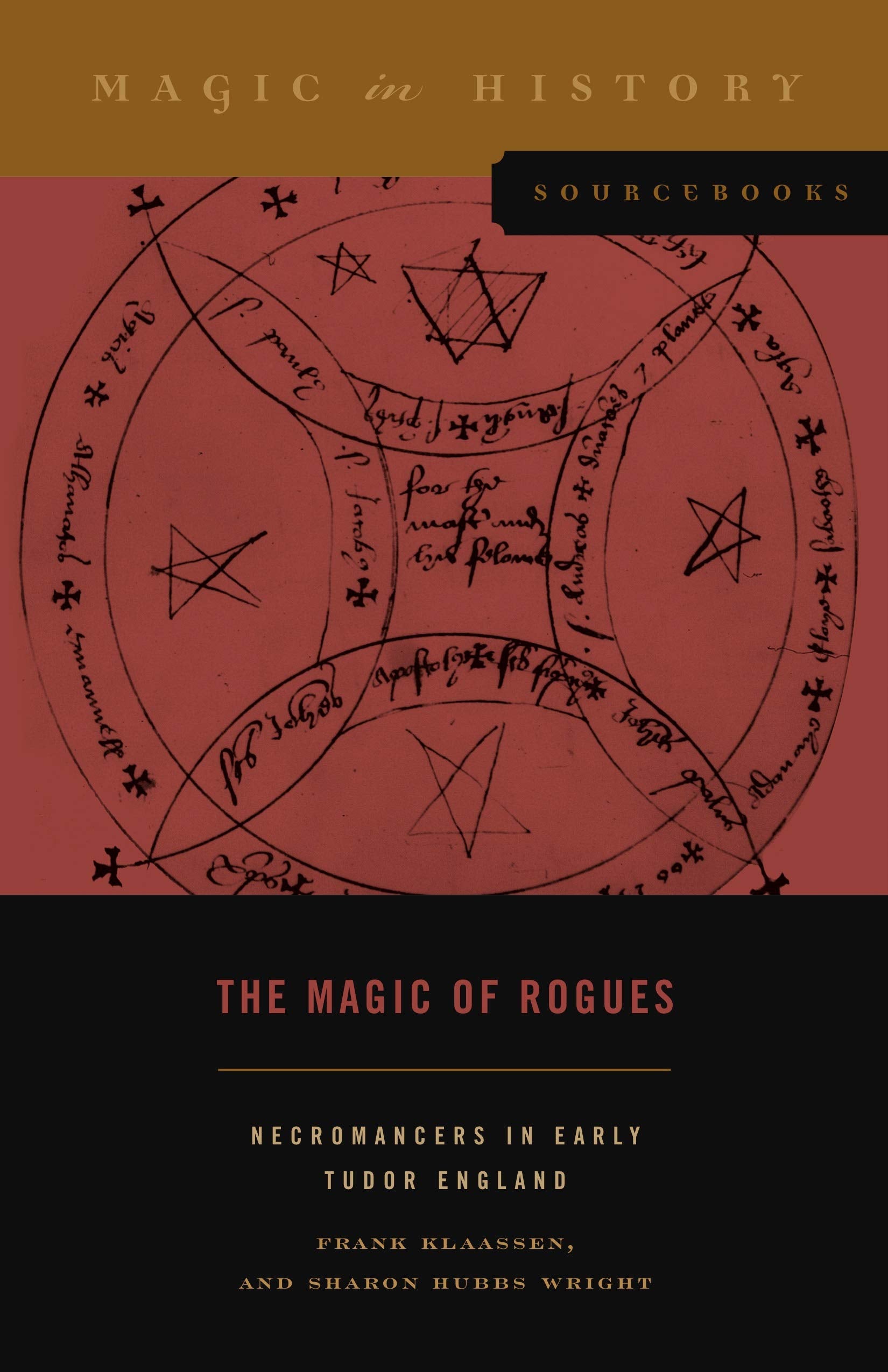
In 1510, nine men were tried in the Archbishops Court in York for attempting to find and extract a treasure on the moor near Mixindale through necromantic magic. Two decades later, William Neville and his magician were arrested by Thomas Cromwell for having engaged in a treasonous combination of magic practices and prophecy surrounding the death of Williams older brother, Lord Latimer, and the king.In The Magic of Rogues, Frank Klaassen and Sharon Hubbs Wright present the legal documents about and open a window onto these fascinating investigations of magic practitioners in early Tudor England. Set side by side with sixteenth and seventeenthcentury texts that describe the sorts of magic those practitioners performed, these documents are translated, contextualized, and presented in language accessible to nonspecialist readers. Their analysis reveals how magicians and cunning folk operated in extended networks in which they exchanged knowledge, manuscripts, equipment, and even clients; foregrounds magicians encounters with authority in ways that separate them from traditional narratives about witchcraft and witch trials; and suggests that the regulation and punishment of magic in the Tudor period were comparatively and perhaps surprisingly gentle. Incorporating the study of both intellectual and legal sources, The Magic of Rogues presents a wellrounded picture of illicit learned magic in early Tudor England.Engaging and accessible, this book will appeal to anyone seeking to understand the intersection of medieval legal history, religion, magic, esotericism, and Tudor history.
⚠️ WARNING (California Proposition 65):
This product may contain chemicals known to the State of California to cause cancer,
birth defects, or other reproductive harm.
For MAP (Minimum Advertised Price) violations and Intellectual Property (IP) or Trademark concerns, please contact:
support@ergodebooks.com
⚠️ California Proposition 65 Warning: Some products sold on this website may expose you to chemicals known to the State of California to cause cancer, birth defects, or other reproductive harm. For more information, visit www.P65Warnings.ca.gov.