
Title
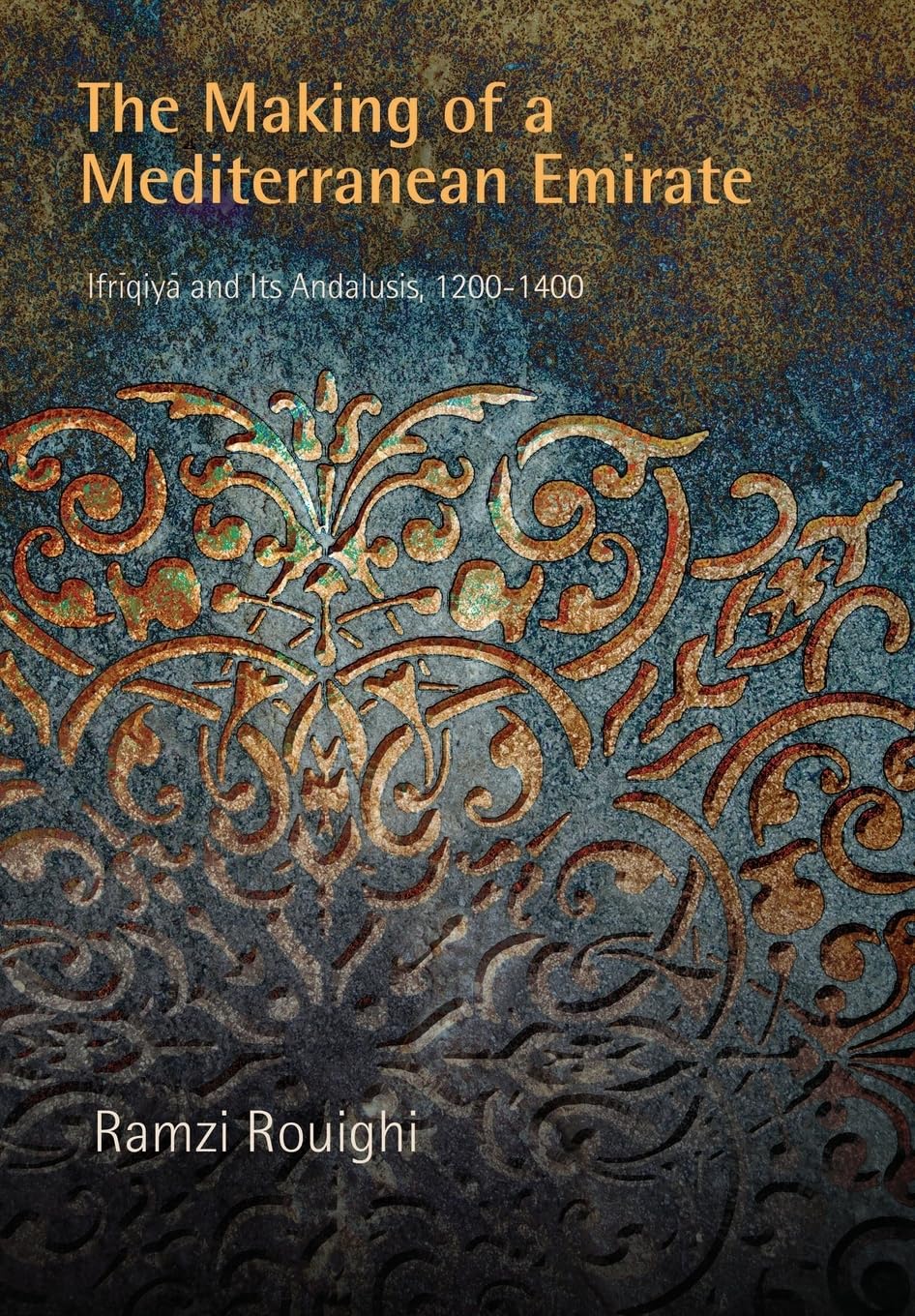
The Making Of A Mediterranean Emirate: Ifriqiya And Its Andalusis, 1214 (The Middle Ages Series),Used
Sold by Ergodebooks, an authorized reseller.
Returns accepted within 30 days | support@ergodebooks.com
Shipping Information
- Free Standard Shipping — United States only
- Processing Time: 3–5 business days
- Estimated Delivery: 6–10 business days after dispatch
- Double-boxed, fully insured & discreetly packaged
- Tracking number sent via email once dispatched
Returns & Refund
Returns accepted within 30 days of delivery.
Damaged or Defective Item
Free return shipping + replacement or full refund
Wrong Item Received
Free return shipping + replacement or full refund
Change of Mind
Return shipping at customer's expense · 25% restocking fee applies
Payment Option

The thirteenth century marks a turning point in the history of the western Mediterranean. The armies of Castile and Aragon won significant and decisive victories over Muslims in Iberia and took over a number of important cities including Cordoba, Seville, Jaen, and Murcia. Chased out of their native cities, a large number of Andalusis migrated to Ifriqiya in northern Africa. There, a newly founded Hafsid dynasty (12291574) welcomed members of the Andalusi elite and showered them with honors and high positions at court.While historians have tended to conceive of Ifriqiya as a region ruled by the Hafsids, Ramzi Rouighi argues in The Making of a Mediterranean Emirate that the Andalusis who joined the Hafsid court supported economic arrangements and political relationships that effectively prevented regional integration from taking place during this period. Rouighi examines an array of documentary, literary, and legal sources to argue that Ifriqiya was integrated neither politically nor economically and that, consequently, it was not a region in a meaningful sense. Through a close reading of narrative sources, especially historical chronicles, Rouighi further argues that the emergence in the late fourteenth century of the political ideology of Emirism accounts for the representation of the rule of the Hafsid dynasty over cities as its rule over the whole of Ifriqiya. Setting the activities of Andalusis such as the celebrated historian Ibn Khaldun (13321406) in relation to specific political, economic, and intellectual developments in Ifriqiya, The Making of a Mediterranean Emirate proposes a counter to the dynasticcentric view of the period that pervades medieval sources and continues to inform most modern generalizations about the Maghrib and the Mediterranean.
⚠️ WARNING (California Proposition 65):
This product may contain chemicals known to the State of California to cause cancer, birth defects, or other reproductive harm.
For more information, please visit www.P65Warnings.ca.gov.