
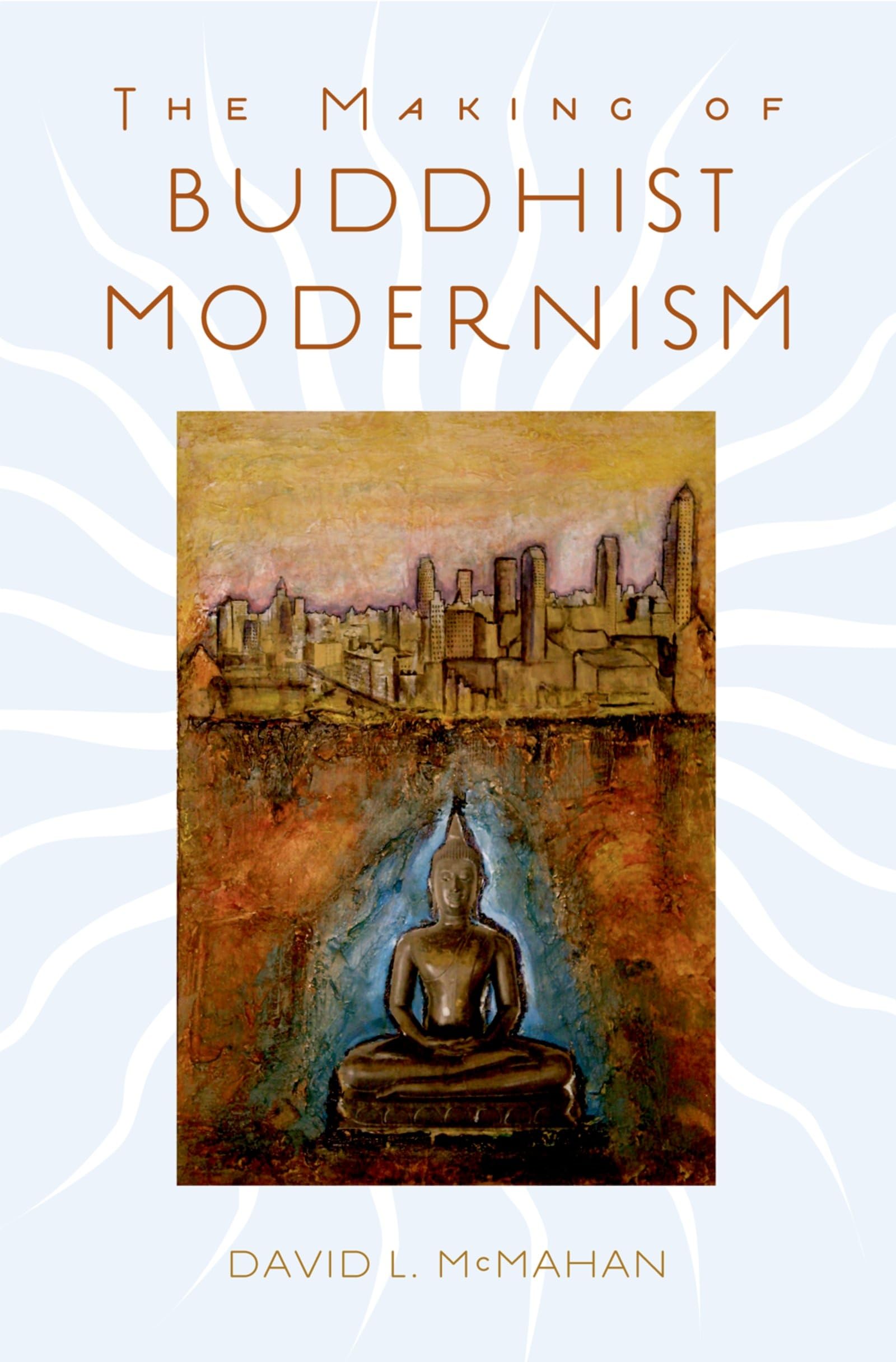
Title
The Making Of Buddhist Modernism,Used
Sold by Ergodebooks, an authorized reseller.
Returns accepted within 30 days | support@ergodebooks.com
Shipping Information
- Free Standard Shipping — United States only
- Processing Time: 3–5 business days
- Estimated Delivery: 6–10 business days after dispatch
- Double-boxed, fully insured & discreetly packaged
- Tracking number sent via email once dispatched
Returns & Refund
Returns accepted within 30 days of delivery.
Damaged or Defective Item
Free return shipping + replacement or full refund
Wrong Item Received
Free return shipping + replacement or full refund
Change of Mind
Return shipping at customer's expense · 25% restocking fee applies
Payment Option

A Great Deal Of Buddhist Literature And Scholarly Writing About Buddhism Of The Past 150 Years Reflects, And Indeed Constructs, A Historically Unique Modern Buddhism, Even While Purporting To Represent Ancient Tradition, Timeless Teaching, Or The 'Essentials' Of Buddhism. This Literature, Asian As Well As Western, Weaves Together The Strands Of Different Traditions To Create A Novel Hybrid That Brings Buddhism Into Alignment With Many Of The Ideologies And Sensibilities Of The Postenlightenment West.In This Book, David Mcmahan Charts The Development Of This 'Buddhist Modernism.' Mcmahan Examines And Analyzes A Wide Range Of Popular And Scholarly Writings Produced By Buddhists Around The Globe. He Focuses On Ideological And Imaginative Encounters Between Buddhism And Modernity, For Example In The Realms Of Science, Mythology, Literature, Art, Psychology, And Religious Pluralism. He Shows How Certain Themes Cut Across Cultural And Geographical Contexts, And How This Form Of Buddhism Has Been Created By Multiple Agents In A Variety Of Times And Places. His Position Is Critical But Empathetic: While He Presents Buddhist Modernism As A Construction Of Numerous Parties With Varying Interests, He Does Not Reduce It To A Mistake, A Misrepresentation, Or Fabrication. Rather, He Presents It As A Complex Historical Process Constituted By A Variety Of Responses Sometimes Trivial, Often Profound To Some Of The Most Important Concerns Of The Modern Era.
⚠️ WARNING (California Proposition 65):
This product may contain chemicals known to the State of California to cause cancer, birth defects, or other reproductive harm.
For more information, please visit www.P65Warnings.ca.gov.
- Q: What is the page count of 'The Making of Buddhist Modernism'? A: This book has three hundred twenty pages. It provides a thorough exploration of modern Buddhism through various scholarly and popular writings.
- Q: What are the dimensions of this book? A: The dimensions are six point two inches in length, one point two inches in width, and nine point two one inches in height. These measurements make it a standard size for a hardcover book.
- Q: What type of binding does this book have? A: This book features hardcover binding. Hardcover books are known for their durability and longevity compared to paperback options.
- Q: Who is the author of 'The Making of Buddhist Modernism'? A: The author is David L. McMahan. He is recognized for his insightful analysis of Buddhist modernism in contemporary contexts.
- Q: What is the main theme of this book? A: The main theme explores the development of modern Buddhism. It examines how this form has evolved through various cultural and ideological influences.
- Q: Is this book suitable for beginners in Buddhism? A: Yes, this book is suitable for beginners. It presents complex ideas in an accessible way, making it a great introduction to Buddhist modernism.
- Q: How can I best use this book for study? A: You can use this book as a foundational text for understanding modern interpretations of Buddhism. It is useful for both personal study and academic reference.
- Q: Is there a specific reading level for this book? A: This book is appropriate for adults and advanced readers. Its academic nature requires a certain level of familiarity with Buddhist concepts.
- Q: How should I store the book to maintain its condition? A: Store the book upright in a cool, dry place. Avoid exposure to direct sunlight and moisture to preserve the binding and pages.
- Q: Can I clean the book if it gets dirty? A: Yes, you can clean the book gently. Use a soft, dry cloth to wipe the cover and pages, avoiding any liquids that could damage the material.
- Q: Is there a warranty for this book? A: No, there is no warranty for this book. However, you can check the return policy if you receive a damaged copy.
- Q: What should I do if the book arrives damaged? A: If the book arrives damaged, contact the seller immediately for a replacement or refund. Most sellers have policies in place for such situations.
- Q: How does this book compare to other books on Buddhism? A: This book stands out for its critical yet empathetic approach to modern Buddhism. It differs from others by focusing on the historical processes that shaped Buddhist modernism.
- Q: Is this book appropriate for academic use? A: Yes, this book is appropriate for academic use. It includes extensive analysis and references that make it a valuable resource for scholarly research.
- Q: What perspectives does the author include in his analysis? A: The author includes perspectives from various cultural and geographical contexts. He examines the intersections of Buddhism with modernity in multiple realms.