
Title
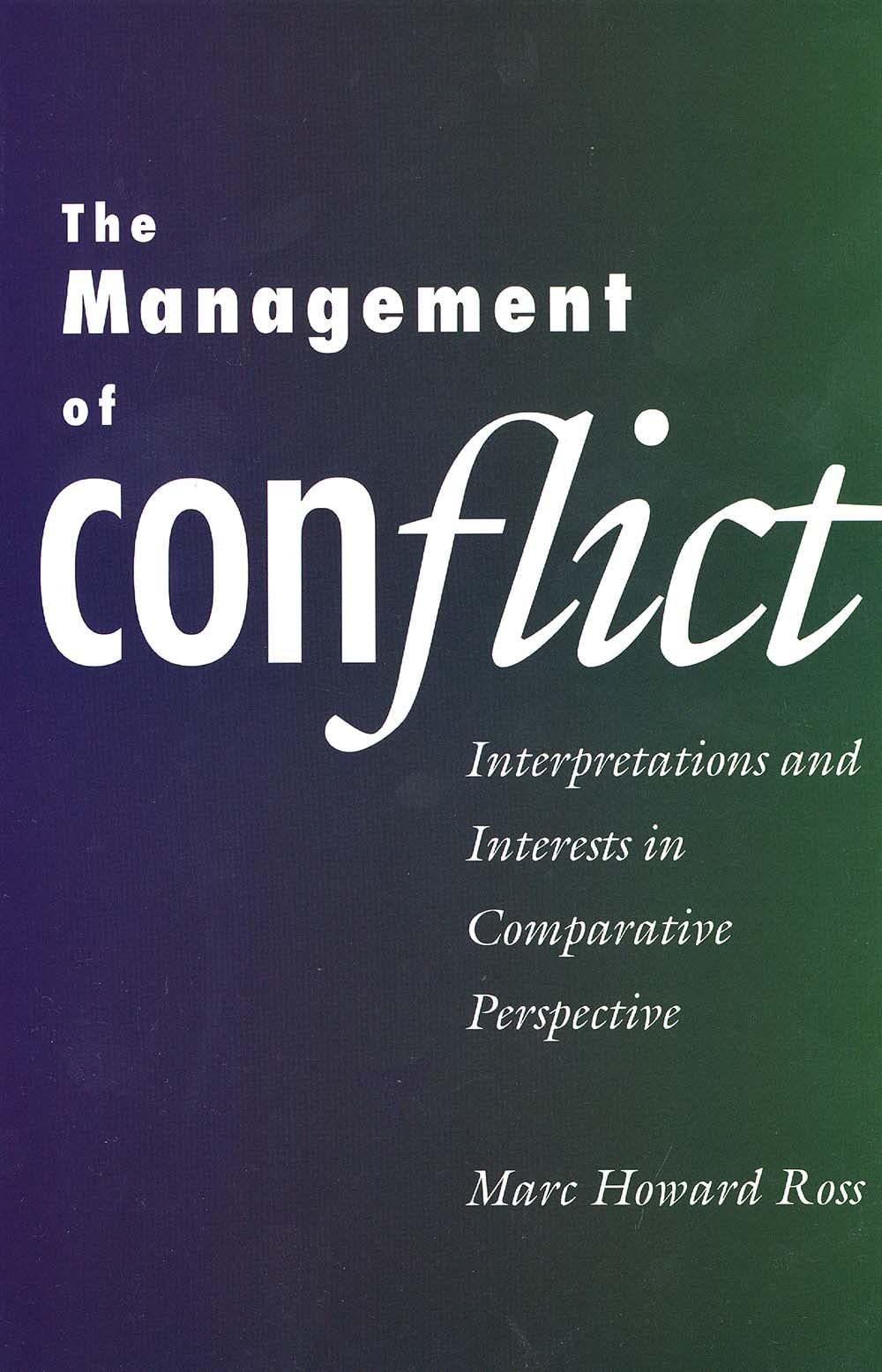
The Management of Conflict: Interpretations and Interests in Comparative Perspective,New
Sold by Ergodebooks, an authorized reseller.
Returns accepted within 30 days | support@ergodebooks.com
Shipping Information
- Free Standard Shipping — United States only
- Processing Time: 3–5 business days
- Estimated Delivery: 6–10 business days after dispatch
- Double-boxed, fully insured & discreetly packaged
- Tracking number sent via email once dispatched
Returns & Refund
Returns accepted within 30 days of delivery.
Damaged or Defective Item
Free return shipping + replacement or full refund
Wrong Item Received
Free return shipping + replacement or full refund
Change of Mind
Return shipping at customer's expense · 25% restocking fee applies
Payment Option

Complex social and political conflicts invariably have multiple roots rather than a single clear cause, and they are therefore difficult to manage effectively. Conflicts are about the interpretations of opponents' motives as well as the interests that antagonists pursue. Conflict management is most effective when it addresses not only the specific objects of contention but also adversaries' deeper, emotionladen fears.Drawing on research and ideas delineated in his companion book, The Culture of Conflict, Marc Howard Ross offers a crosscultural approach to conflict management. He identifies key features of constructive conflict management societies and evaluates three strategies of conflict managementself help, joint problemsolving, and thirdparty decision makingshowing how each succeeds or fails in dealing with both disputants' interests and interpretations as causes of conflict. Exploring a wide variety of conflict management successes and failuresincluding the confrontation between MOVE and the city of Philadelphia, a public housing dispute in New York City, the return to warfare in postcolonial highland New Guinea, persistent hostility in Northern Ireland, and the Camp David AccordsRoss explains that how disputants' interests and interpretations are addressed affects the course of each dispute, its intensity, and the degree to which the dispute results in a constructive outcome. He offers the hypothesis that in bitter disputes modifying opponents' interpretations is a prerequisite for bridging differences in interests, stresses the need for models of successful conflict management, and suggests ways to expand constructive conflict management.
⚠️ WARNING (California Proposition 65):
This product may contain chemicals known to the State of California to cause cancer, birth defects, or other reproductive harm.
For more information, please visit www.P65Warnings.ca.gov.