
Title
The Managerial Unconscious In The History Of Composition Studies (Studies In Writing And Rhetoric),Used
Sold by Ergodebooks, an authorized reseller.
Returns accepted within 30 days | support@ergodebooks.com
Shipping Information
- Free Standard Shipping — United States only
- Processing Time: 3–5 business days
- Estimated Delivery: 6–10 business days after dispatch
- Double-boxed, fully insured & discreetly packaged
- Tracking number sent via email once dispatched
Returns & Refund
Returns accepted within 30 days of delivery.
Damaged or Defective Item
Free return shipping + replacement or full refund
Wrong Item Received
Free return shipping + replacement or full refund
Change of Mind
Return shipping at customer's expense · 25% restocking fee applies
Payment Option

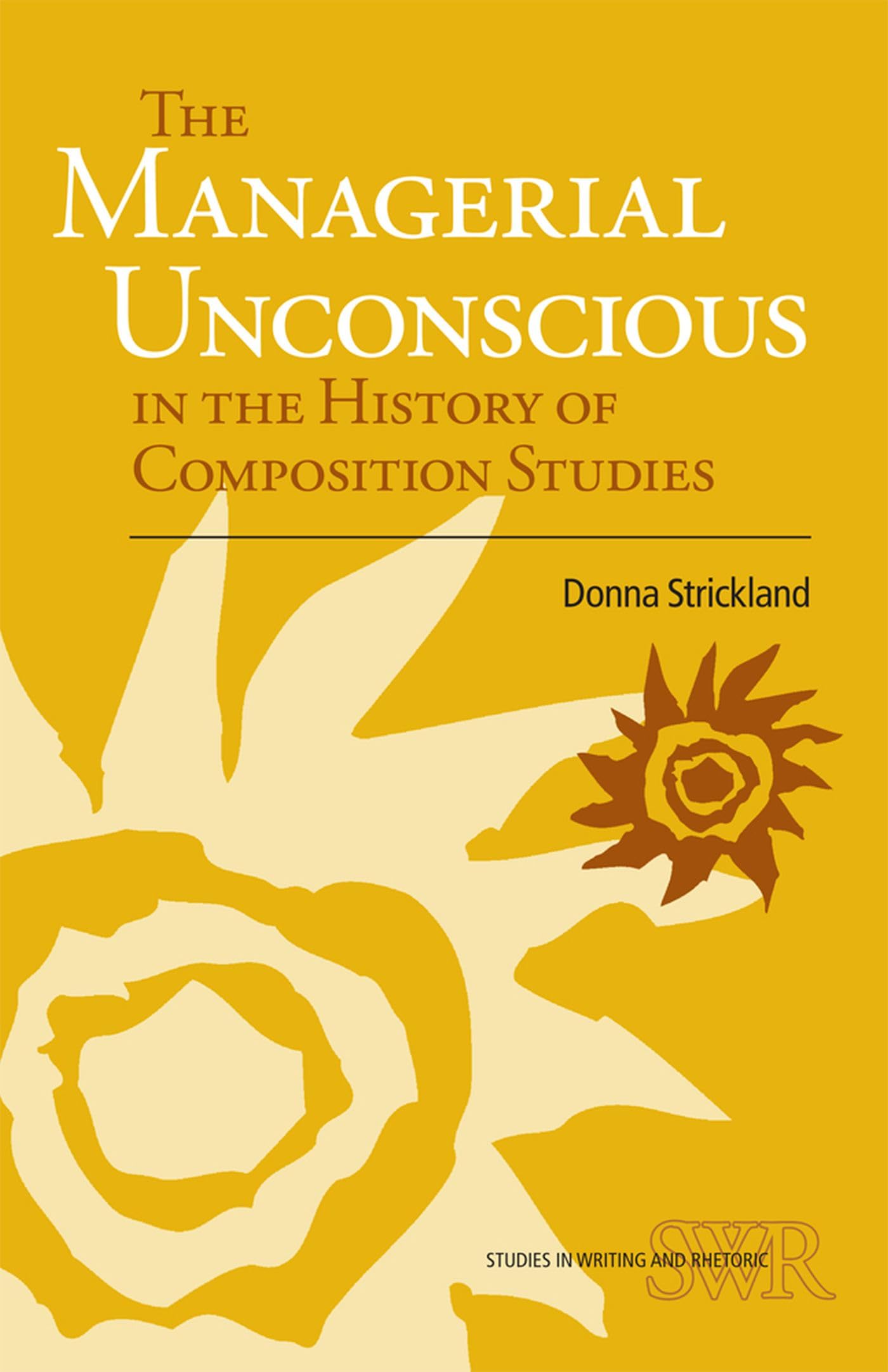
In this pointed appraisal of composition studies, Donna Strickland contends the rise of writing program administration is crucial to understanding the history of the field. Noting existing histories of composition studies that offer little to no exploration of administration, Strickland argues the field suffers from a managerial unconscious that ignores or denies the dependence of the teaching of writing on administrative structures.The Managerial Unconscious in the History of Composition Studies is the first book to address the history of composition studies as a profession rather than focusing on its pedagogical theories and systems. Strickland questions why writing and the teaching of writing have been the major areas of scholarly inquiry in the field when specialists often work primarily as writing program administrators, not teachers.Strickland traces the emergence of writing programs in the early twentieth century, the founding of two professional organizations by and for writing program administrators, and the managerial overtones of the social turn of the field during the 1990s. She illustrates how these managerial imperatives not only have provided much of the impetus for the growth of composition studies over the past three decades but also have contributed to the stratified workplaces and managed writing practices the fields pedagogical research often decries.The Managerial Unconscious in the History of Composition Studies makes the case that administrative work should not be separated from intellectual work, calling attention to the interplay between these two kinds of work in academia at large and to the pronounced hierarchies of contingent faculty and tenuretrack administrators endemic to college writing programs. The result is a reasoned plea for an alternative understanding of the very mission of the field itself.
⚠️ WARNING (California Proposition 65):
This product may contain chemicals known to the State of California to cause cancer, birth defects, or other reproductive harm.
For more information, please visit www.P65Warnings.ca.gov.