
Title
The Manual of Museum Learning,Used
Sold by Ergodebooks, an authorized reseller.
Returns accepted within 30 days | support@ergodebooks.com
Shipping Information
- Free Standard Shipping — United States only
- Processing Time: 3–5 business days
- Estimated Delivery: 6–10 business days after dispatch
- Double-boxed, fully insured & discreetly packaged
- Tracking number sent via email once dispatched
Returns & Refund
Returns accepted within 30 days of delivery.
Damaged or Defective Item
Free return shipping + replacement or full refund
Wrong Item Received
Free return shipping + replacement or full refund
Change of Mind
Return shipping at customer's expense · 25% restocking fee applies
Payment Option

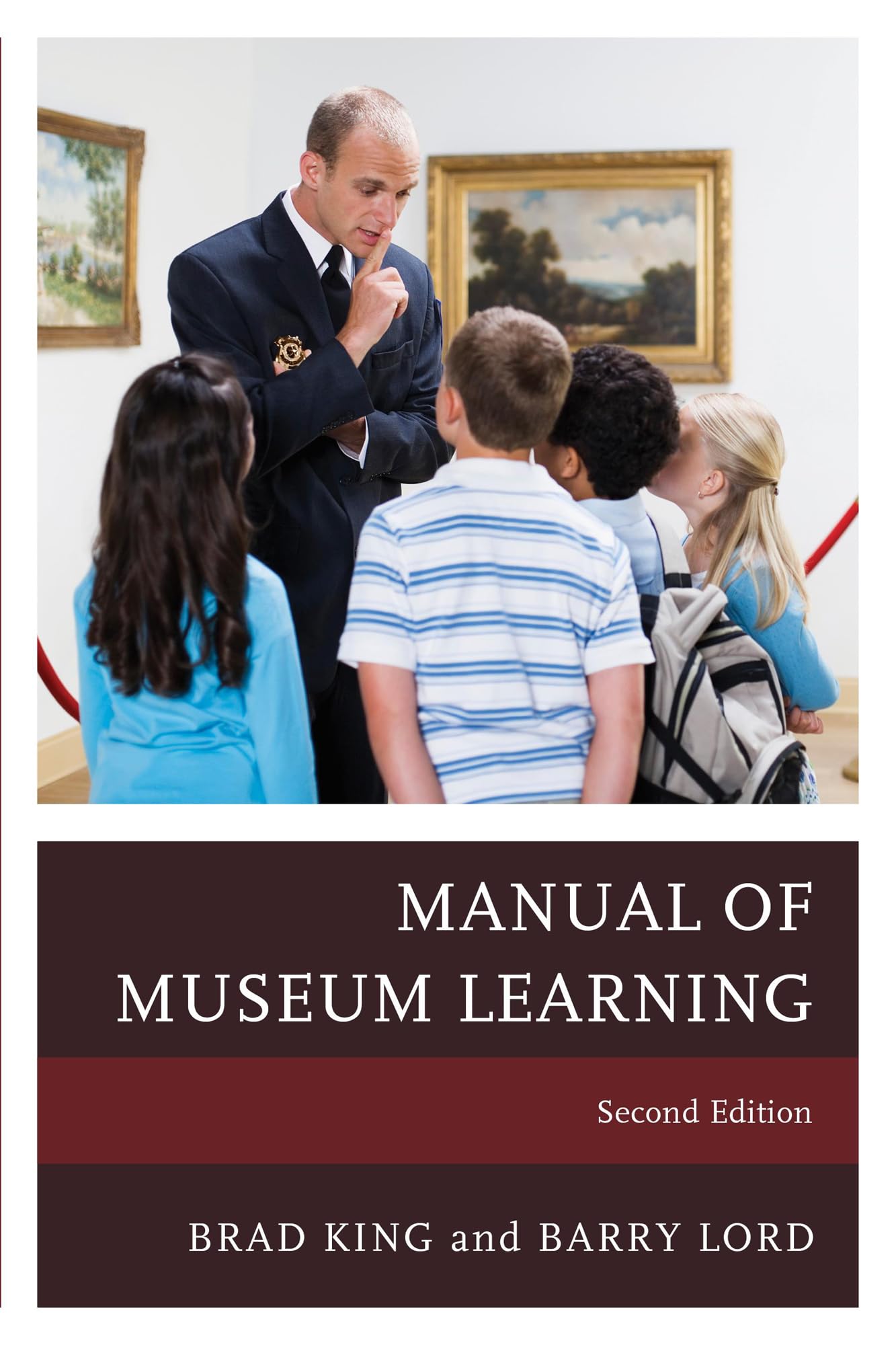
Museum learning is a vital component of the lifelonglearning process.In this new edition of The Manual of Museum Learning, leading museum education professionals offer practical advice for creating successful learning experiences in museums and related institutions (such as galleries, zoos, and botanic gardens) that can attract and intrigue diverse audiences.The original Manual of Museum Learning was published in 2007. The editors have totally rethought this new edition. This second edition focuses on the ways museum staffs (and the departments for which they work) can facilitate the experience in a way that capitalizes on their individual institutional strengths. The goal of this new edition is to provide museums with guidance in developing a strategic approach to their learning programs. There is a close connection between institutionwide strategic planning where an institution decides what course and direction it will take for a five to sevenyear period and its approach to museum learning. One size does not fit all, and what each museum is (or aspires to be) will affect its individual approach.Thus there are many routes for museums to take, many alternative ways for them to play this role. No one museum can be all things to all prospective learners; they will be better suited to some approaches than to others. This new edition identifies these approaches and enables museums to find the paths for which they are individually best suited, to help them identify their own unique approaches to facilitating museum learning. Each ones mission and vision, its relationships with institutional and public stakeholders, local cultural and market factors, its individual collection and programmatic strengths, its financial position all of these things matter. This second edition aims to help each museum find the right approach to learning for its unique situation by showing them the range of museum personalities in terms of their being learning institutions, what constitutes each type, and what the implications are of choosing one or another approach for a particular museum.A major theme of the 2nd edition of The Manual of Museum Learning is museum as connector; the ways in which museums are facilitating selfdirected learning by connecting people with resources. Not all will connect audiences with learning vehicles in the same way. If museum learning is affective learning, then it is the role of the museum to connect its visitors, program participants and others who benefit from its knowledge to the learning resources that best suit the institutions strengths and matches them to the learning needs of the museums audiences. By connecting users to the resources they are most interested in, or which best suit each individuals particular learning styles, museums are at their best when they empower individuals to design their own learning experience in ways that resonate best with each individual.
⚠️ WARNING (California Proposition 65):
This product may contain chemicals known to the State of California to cause cancer, birth defects, or other reproductive harm.
For more information, please visit www.P65Warnings.ca.gov.