If you have any questions, you are always welcome to contact us. We'll get back to you as soon as possible, withing 24 hours on weekdays.
Customer service
All questions about your order, return and delivery must be sent to our customer service team by e-mail at yourstore@yourdomain.com
Sale & Press
If you are interested in selling our products, need more information about our brand or wish to make a collaboration, please contact us at press@yourdomain.com
Help
If you have any questions, you are always welcome to contact us. We'll get back to you as soon as possible, withing 24 hours on weekdays.
Customer service
All questions about your order, return and delivery must be sent to our customer service team by e-mail at yourstore@yourdomain.com
Sale & Press
If you are interested in selling our products, need more information about our brand or wish to make a collaboration, please contact us at press@yourdomain.com
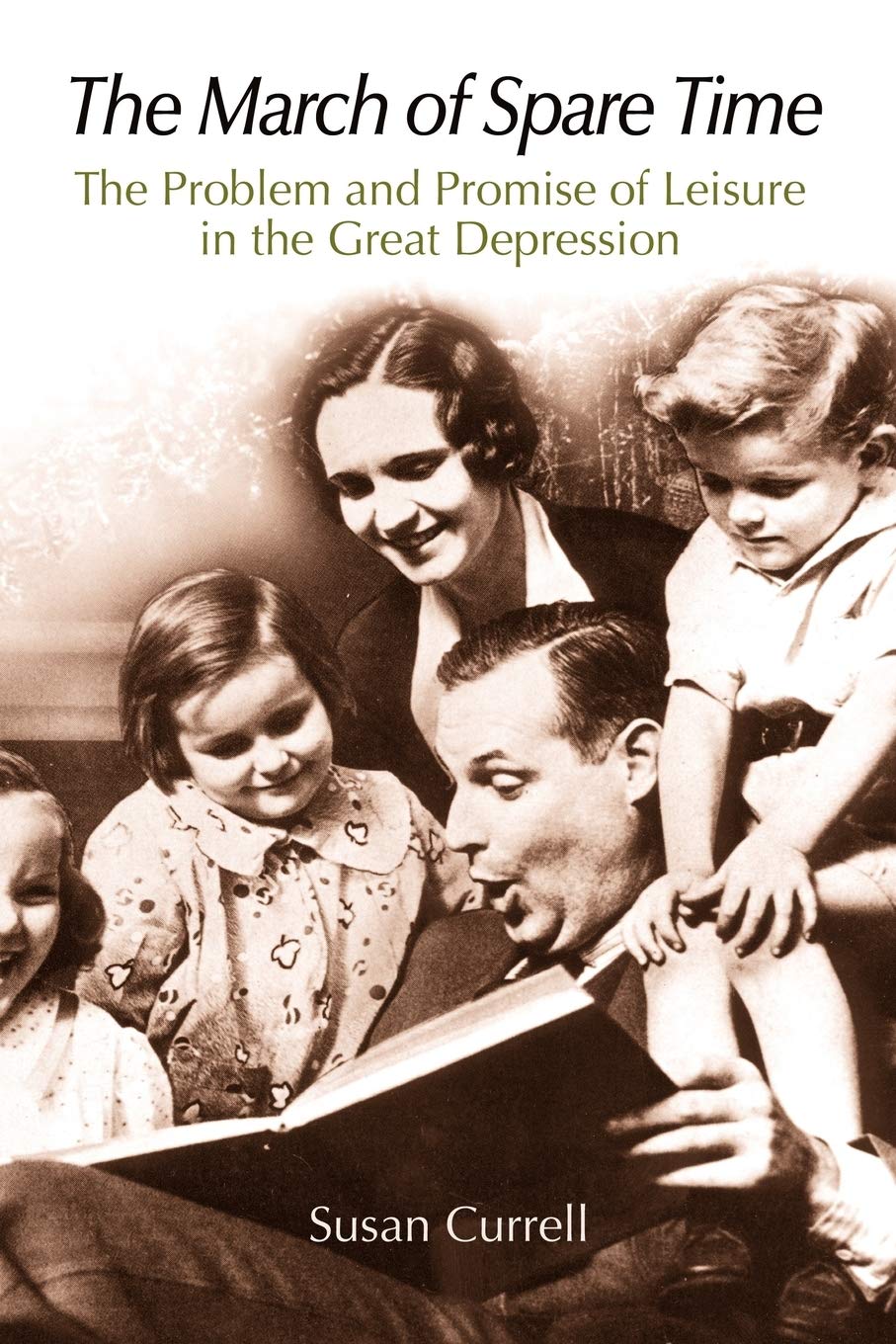
In The March of Spare Time, Susan Currell explores how and why leisure became an object of such intense interest, concern, and surveillance during the Great Depression. As Americans experienced record high levels of unemployment, leisure was thought by reformers, policy makers, social scientists, physicians, labor unions, and even artists to be both a cause of and a solution to society's most entrenched ills. Of all the problems that faced America in the 1930s, only leisure seemed to offer a panacea for the rest.The problem centered on divided opinions over what constituted proper versus improper use of leisure time. On the one hand, sociologists and reformers excoriated as improper such leisure activities as gambling, loafing, and drinking. On the other, the Works Progress Administration and the newly professionalized recreation experts promoted proper leisure activities such as reading, sports, and arts and crafts. Such attention gave rise to new ideas about how Americans should spend their free time to better themselves and their nation.These ideas were propagated in social science publications and proliferated into the wider cultural sphere. Films, fiction, and radio also engaged with new ideas about leisure, more extensively than has previously been recognized. In examining this wide spectrum of opinion, Currell offers the first fullscale account of the fears and hopes surrounding leisure in the 1930s, one that will be an important addition to the cultural history of the period.
⚠️ WARNING (California Proposition 65):
This product may contain chemicals known to the State of California to cause cancer,
birth defects, or other reproductive harm.
For MAP (Minimum Advertised Price) violations and Intellectual Property (IP) or Trademark concerns, please contact:
support@ergodebooks.com
⚠️ California Proposition 65 Warning: Some products sold on this website may expose you to chemicals known to the State of California to cause cancer, birth defects, or other reproductive harm. For more information, visit www.P65Warnings.ca.gov.