If you have any questions, you are always welcome to contact us. We'll get back to you as soon as possible, withing 24 hours on weekdays.
Customer service
All questions about your order, return and delivery must be sent to our customer service team by e-mail at yourstore@yourdomain.com
Sale & Press
If you are interested in selling our products, need more information about our brand or wish to make a collaboration, please contact us at press@yourdomain.com
Help
If you have any questions, you are always welcome to contact us. We'll get back to you as soon as possible, withing 24 hours on weekdays.
Customer service
All questions about your order, return and delivery must be sent to our customer service team by e-mail at yourstore@yourdomain.com
Sale & Press
If you are interested in selling our products, need more information about our brand or wish to make a collaboration, please contact us at press@yourdomain.com
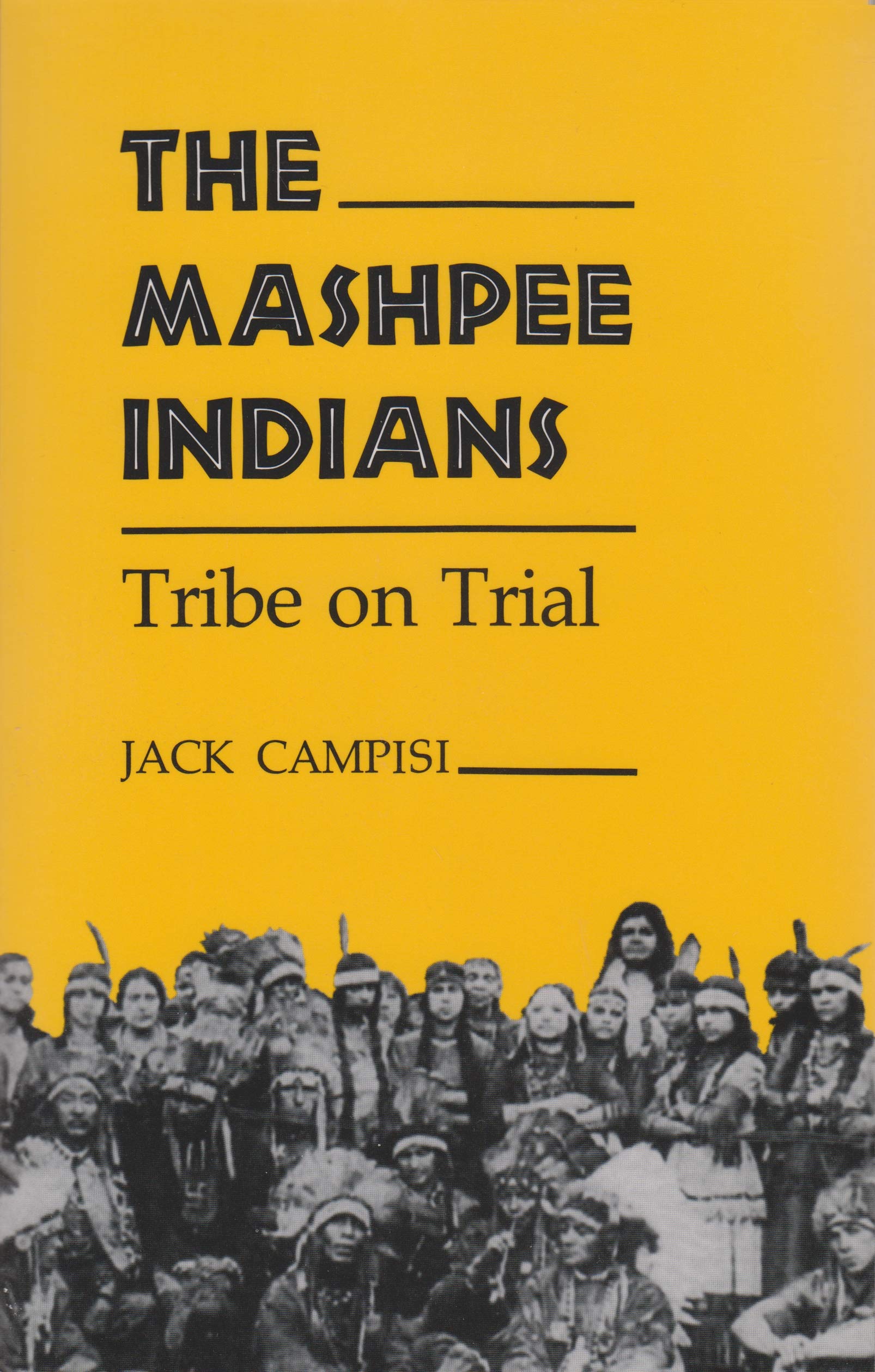
The Mashpee Indians have occupied the same area of Cape Cod for more than 350 years and have adjusted and maintained their identity despite the cultural and political changes imposed upon them from the time of early European contact. Central to this ethnohistory is the question of the meaning of the word tribe, a question that was raised in the tribe's 1977 suit against the town and private landholders of Mashpee, Massachusetts. The Mashpees based their landrecovery claim on the provisions of the Indian Trade and Intercourse Act of 1790, which protected the land of any Indian tribe or nation. But the jury found that the Mashpees were not a tribe, and the U.S. District Court judge therefore ruled that the Mashpees lacked standing to sue for land taken from them in contravention of federal law. Campisi reconstructs the trial and provides a detailed history of the Mashpees based on archival research, ethnographic fieldwork, and the documents collected during the tribe's suit. Since the trial, use of the term tribe has taken on increased importance in federalIndian relations. There are nearly three hundred recognized tribes in the United States that are affected by changes in the definition of tribe, and over one hundred Indian tribes are now seeking federal recognition.
⚠️ WARNING (California Proposition 65):
This product may contain chemicals known to the State of California to cause cancer,
birth defects, or other reproductive harm.
For MAP (Minimum Advertised Price) violations and Intellectual Property (IP) or Trademark concerns, please contact:
support@ergodebooks.com
⚠️ California Proposition 65 Warning: Some products sold on this website may expose you to chemicals known to the State of California to cause cancer, birth defects, or other reproductive harm. For more information, visit www.P65Warnings.ca.gov.