
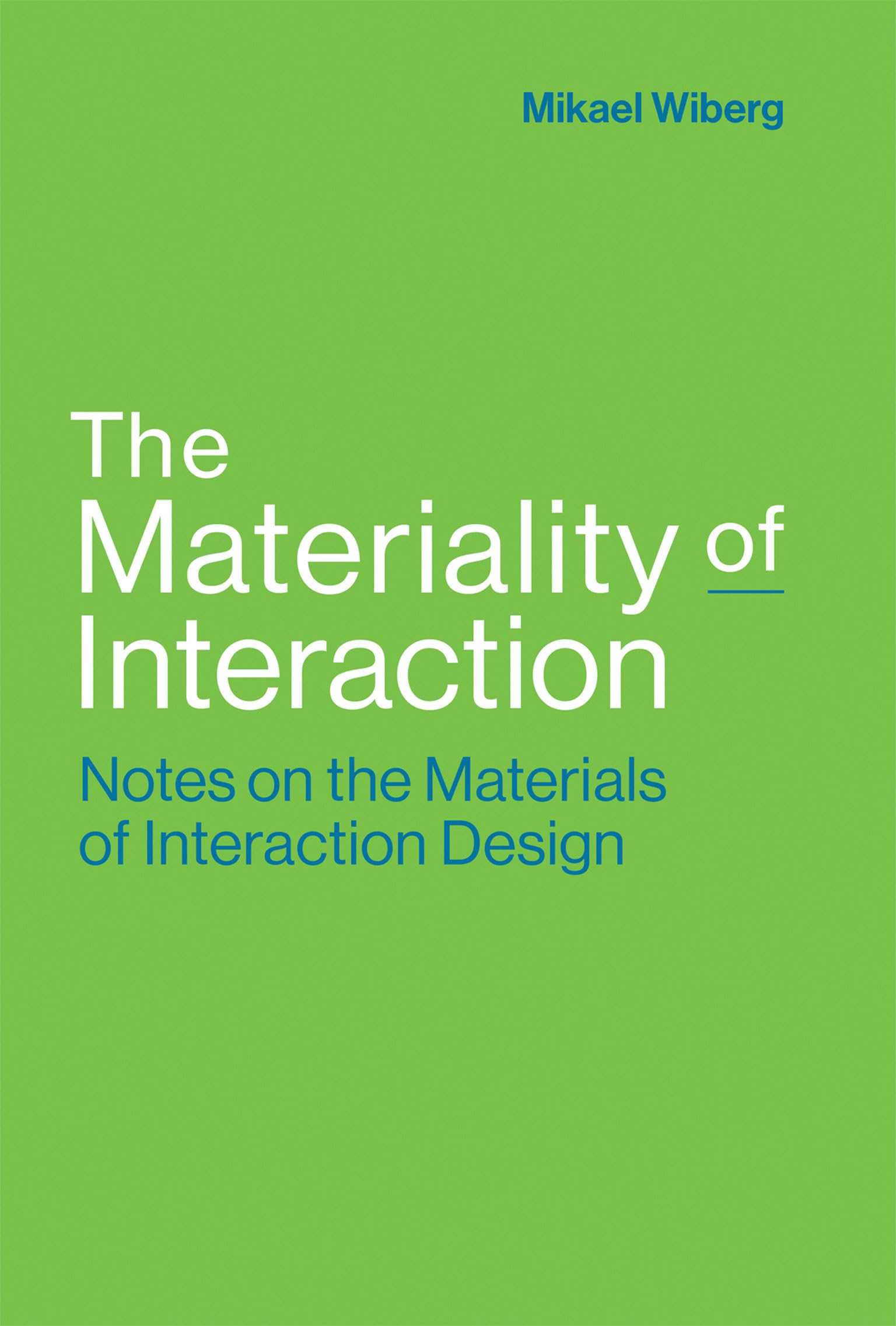
Title
The Materiality of Interaction: Notes on the Materials of Interaction Design (Mit Press),Used
Sold by Ergodebooks, an authorized reseller.
Returns accepted within 30 days | support@ergodebooks.com
Shipping Information
- Free Standard Shipping — United States only
- Processing Time: 3–5 business days
- Estimated Delivery: 6–10 business days after dispatch
- Double-boxed, fully insured & discreetly packaged
- Tracking number sent via email once dispatched
Returns & Refund
Returns accepted within 30 days of delivery.
Damaged or Defective Item
Free return shipping + replacement or full refund
Wrong Item Received
Free return shipping + replacement or full refund
Change of Mind
Return shipping at customer's expense · 25% restocking fee applies
Payment Option

A new approach to interaction design that moves beyond representation and metaphor to focus on the material manifestations of interaction.Smart watches, smart cars, the Internet of things, 3D printing: all signal a trend toward combining digital and analog materials in design. Interaction with these new hybrid forms is increasingly mediated through physical materials, and therefore interaction design is increasingly a material concern. In this book, Mikael Wiberg describes the shift in interaction design toward material interactions. He argues that the material turn in humancomputer interaction has moved beyond a representationdriven paradigm, and he proposes materialcentered interaction design as a new approach to interaction design and its materials. He calls for interaction design to abandon its narrow focus on what the computer can do and embrace a broader view of interaction design as a practice of imagining and designing interaction through material manifestations. A materialcentered approach to interaction design enables a fundamental design method for working across digital, physical, and even immaterial materials in interaction design projects.Wiberg looks at the history of material configurations in computing and traces the shift from metaphors in the design of graphical user interfaces to materiality in tangible user interfaces. He examines interaction through a material lens; suggests a new method and foundation for interaction design that accepts the digital as a design material and focuses on interaction itself as the form being designed; considers design across substrates; introduces the idea of interactive compositions; and argues that the focus on materiality transcends any distinction between the physical and digital.
⚠️ WARNING (California Proposition 65):
This product may contain chemicals known to the State of California to cause cancer, birth defects, or other reproductive harm.
For more information, please visit www.P65Warnings.ca.gov.