
Title
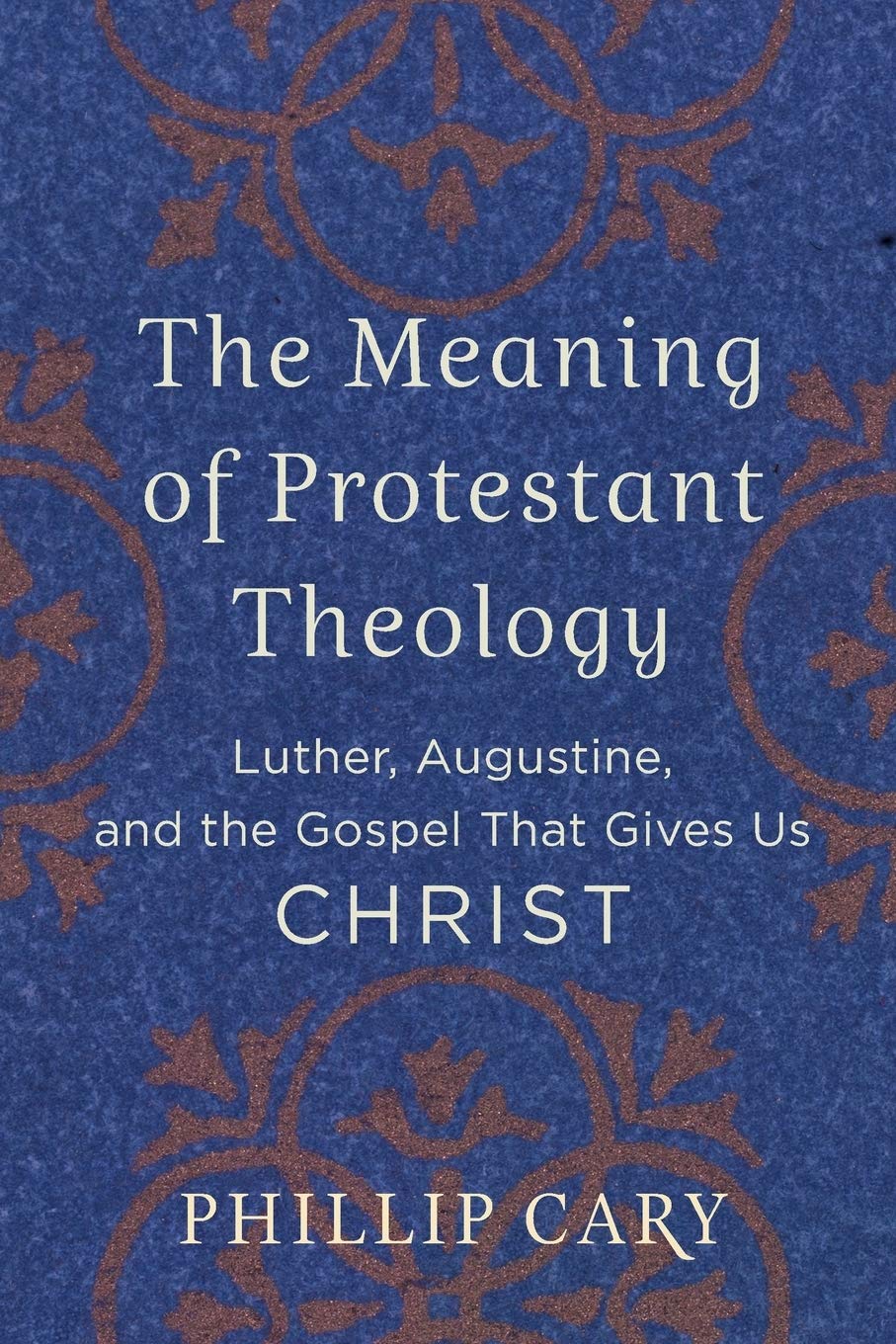
The Meaning Of Protestant Theology: Luther, Augustine, And The Gospel That Gives Us Christ
Sold by Ergodebooks, an authorized reseller.
Returns accepted within 30 days | support@ergodebooks.com
Shipping Information
- Free Standard Shipping — United States only
- Processing Time: 3–5 business days
- Estimated Delivery: 6–10 business days after dispatch
- Double-boxed, fully insured & discreetly packaged
- Tracking number sent via email once dispatched
Returns & Refund
Returns accepted within 30 days of delivery.
Damaged or Defective Item
Free return shipping + replacement or full refund
Wrong Item Received
Free return shipping + replacement or full refund
Change of Mind
Return shipping at customer's expense · 25% restocking fee applies
Payment Option

This Book Offers A Creative And Illuminating Discussion Of Protestant Theology. Veteran Teacher Phillip Cary Explains How Luther'S Theology Arose From The Christian Tradition, Particularly From The Spirituality Of Augustine. Luther Departed From The Augustinian Tradition And Inaugurated Distinctively Protestant Theology When He Identified The Gospel That Gives Us Christ As Its Key Concept. More Than Any Other Theologian, Luther Succeeds In Carrying Out The Protestant Intention Of Putting Faith In The Gospel Of Christ Alone. Cary Also Explores The Consequences Of Luther'S Teachings As They Unfold In The History Of Protestantism.
⚠️ WARNING (California Proposition 65):
This product may contain chemicals known to the State of California to cause cancer, birth defects, or other reproductive harm.
For more information, please visit www.P65Warnings.ca.gov.
- Q: How many pages does this book have? A: This book has three hundred eighty-four pages. It offers an in-depth exploration of Protestant theology and its historical context.
- Q: What is the binding type of this book? A: This book is paperback bound. It makes it lightweight and easy to carry for reading on the go.
- Q: What are the dimensions of this book? A: This book measures six inches in length, nine inches in height, and zero point ninety-six inches in thickness. These dimensions make it a standard size for paperback books.
- Q: Who is the author of this book? A: The author of this book is Phillip Cary. He is a veteran teacher with extensive knowledge of Protestant theology.
- Q: What is the genre of this book? A: This book is categorized under Protestantism. It discusses theological concepts rooted in the Protestant tradition.
- Q: What is the main theme of the book? A: The main theme revolves around the interpretation of Protestant theology through the lens of Luther and Augustine. It emphasizes the importance of faith in the gospel of Christ.
- Q: Is this book suitable for beginners in theology? A: Yes, this book is suitable for beginners. It presents complex theological concepts in an accessible manner.
- Q: Can this book be used for academic studies? A: Yes, this book can be used for academic studies. It is well-researched and provides insights relevant to theology courses.
- Q: How does this book handle Luther's teachings? A: This book critically explores Luther's teachings and their implications throughout Protestant history. It highlights key theological shifts initiated by Luther.
- Q: How do I care for this paperback book? A: To care for this paperback book, store it in a dry place and avoid exposure to direct sunlight. This will prevent fading and damage.
- Q: What should I do if the book arrives damaged? A: If the book arrives damaged, contact the seller for a return or exchange. Most sellers have policies in place for such situations.
- Q: Is there a warranty for this book? A: No, books typically do not come with a warranty. However, check the seller's return policy for any guarantees.
- Q: How should I store this book? A: Store this book upright on a shelf to prevent warping. Avoid stacking heavy items on top of it.
- Q: What audience is this book intended for? A: This book is intended for readers interested in Protestant theology, including students, educators, and those seeking to deepen their understanding.
- Q: Is this book appropriate for all ages? A: Yes, this book is appropriate for all ages, although it is primarily aimed at adults and students of theology.