
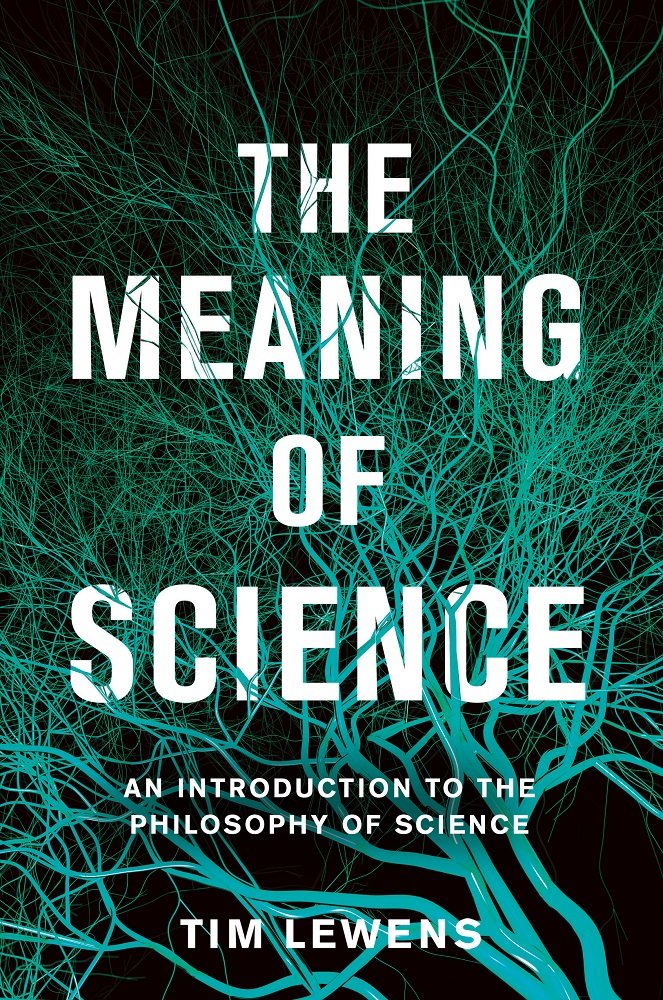
Title
The Meaning Of Science: An Introduction To The Philosophy Of Science
Sold by Ergodebooks, an authorized reseller.
Returns accepted within 30 days | support@ergodebooks.com
Shipping Information
- Free Standard Shipping — United States only
- Processing Time: 3–5 business days
- Estimated Delivery: 6–10 business days after dispatch
- Double-boxed, fully insured & discreetly packaged
- Tracking number sent via email once dispatched
Returns & Refund
Returns accepted within 30 days of delivery.
Damaged or Defective Item
Free return shipping + replacement or full refund
Wrong Item Received
Free return shipping + replacement or full refund
Change of Mind
Return shipping at customer's expense · 25% restocking fee applies
Payment Option

A Philosopher Of Science Examines The Biggest Ethical And Moral Issues In Science Today, And Explains Why They Matter For All Of Us Scientist And Layman Alikescience Has Produced Explanations For Everything From The Mechanisms Of Insect Navigation To The Formation Of Black Holes And The Workings Of Black Markets. But How Much Can We Trust Science, And Can We Actually Know The World Through It? How Does Science Work And How Does It Fail? And How Can The Work Of Scientists Help Or Hurt Everyday People? These Are Not Questions That Science Can Answer On Its Own. This Is Where Philosophy Of Science Comes In. Studying Science Without Philosophy Is, To Quote Einstein, To Be Like Somebody Who Has Seen Thousands Of Trees But Has Never Seen A Forest. Cambridge Philosopher Tim Lewens Shows Us The Forest. He Walks Us Through The Theories Of Seminal Philosophers Of Science Karl Popper And Thomas Kuhn And Considers What Science Is, How Far It Can And Should Reach, And How We Can Determine The Nature Of Its Truths And Myths.These Philosophical Issues Have Consequences That Stretch Far Beyond The Laboratory. For Instance: What Role Should Scientists Have In Policy Discussions On Environmental Issues Such As Fracking? What Are The Biases At Play In The Search For A Biological Function Of The Female Orgasm? If Brain Scans Can Be Used To Demonstrate That A Decision Was Made Several Seconds Before A Person Actually Makes A Conscious Choice, What Does That Tell Us About The Possibility Of Free Will?By Examining Science Through This Philosophical Lens, Lewens Reveals What Physics Can Teach Us About Reality, What Biology Teaches Us About Human Nature, And What Cognitive Science Teaches Us About Human Freedom. A Masterful Analysis Of The Biggest Scientific And Ethical Issues Of Our Age, The Meaning Of Science Forces Us To Confront The Practical, Personal, And Political Purposes Of Science And Why It Matters To All Of Us.
⚠️ WARNING (California Proposition 65):
This product may contain chemicals known to the State of California to cause cancer, birth defects, or other reproductive harm.
For more information, please visit www.P65Warnings.ca.gov.
- Q: What is the page count of this book? A: This book has two hundred seventy-two pages. It provides an in-depth analysis of the philosophy of science.
- Q: What is the binding type of this book? A: The book is a hardcover edition. This type of binding offers durability and a professional appearance.
- Q: Who is the author of 'The Meaning of Science'? A: The author is Tim Lewens. He is a philosopher of science known for his work on ethical issues in science.
- Q: What topics does this book cover? A: The book examines ethical and moral issues in science. It explores how these issues impact both scientists and the general public.
- Q: Is this book suitable for beginners in philosophy? A: Yes, it is suitable for beginners. The author presents complex ideas in an accessible manner, making it easy to understand.
- Q: How does this book approach the concept of free will? A: The book discusses free will in relation to cognitive science. It raises questions about decision-making and consciousness.
- Q: What is the recommended reading age for this book? A: This book is recommended for adults and mature teens. It engages with philosophical concepts that require critical thinking.
- Q: Can this book help me understand the role of scientists in policy? A: Yes, the book addresses the role of scientists in environmental policy. It discusses how science intersects with public discourse.
- Q: What are the dimensions of 'The Meaning of Science'? A: The book measures five point nine eight inches in length, zero point nine eight inches in width, and eight point five inches in height.
- Q: What should I do if I receive a damaged copy of the book? A: Contact the seller for a replacement. Most sellers have policies to address damaged items.
- Q: Is there a return policy for this book? A: Yes, there is typically a return policy. Check with the retailer for their specific terms regarding returns.
- Q: Does this book contain illustrations or images? A: No, this book does not contain illustrations. It focuses on textual analysis of philosophical concepts.
- Q: How should I store this book to keep it in good condition? A: Store it upright on a shelf in a cool, dry place. Avoid direct sunlight to prevent fading.
- Q: Is this book suitable for academic use? A: Yes, it is suitable for academic use. The book provides valuable insights into the philosophy of science.
- Q: Are there any references or bibliographies included? A: Yes, the book includes references to key philosophers and studies. This enhances its academic credibility.