
Title

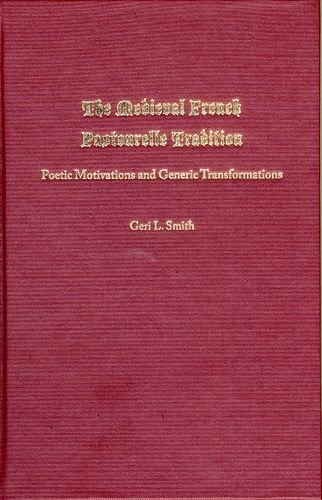
The Medieval French Pastourelle Tradition: Poetic Motivations and Generic Transformations,Used
Sold by Ergodebooks, an authorized reseller.
Returns accepted within 30 days | support@ergodebooks.com
Shipping Information
- Free Standard Shipping — United States only
- Processing Time: 3–5 business days
- Estimated Delivery: 6–10 business days after dispatch
- Double-boxed, fully insured & discreetly packaged
- Tracking number sent via email once dispatched
Returns & Refund
Returns accepted within 30 days of delivery.
Damaged or Defective Item
Free return shipping + replacement or full refund
Wrong Item Received
Free return shipping + replacement or full refund
Change of Mind
Return shipping at customer's expense · 25% restocking fee applies
Payment Option

"By showing how three major authors selfconsciously adapted the pastourelle to suit their own purposes, this book sheds light on the larger concept of the genre. The close analysis of large bodies of text will help readers appreciate the skill with which these authors manipulated a traditional genre in the context of rapidly changing social and cultural conditions."Kristen Figg, Kent State UniversitySalemOne of the most popular genres created and performed by Medieval troubadours and trouvres was the pastourelle. Though it varied greatly in its details, the genre was dominated by the following theme: a passing knight encounters and attempts to seduce a shepherdess who, in turn, defends herself against his advances in a variety of ways. The brilliance of the artists who manipulated the genre was revealed in their ability to innovate, synthesize, and elaborate upon the constraints of the form.In this workthe first major evaluation of the Northern French pastourelle to appear in decadesGeri Smith examines the genre in the hands of three Medieval masters: Adam de la Halle, Jean Froissart, and Christine de Pizan. She explores the very different ways in which these individuals engaged with the form and subject matter of the pastourelle and transformed it, variously, into a stage for their dramatic artistry, a forum for their responses to social and ideological conditions, and, ultimately, into a distinctive statement bearing their individual mark. The result sheds new light on the evolving concept of author in the Middle Ages.
⚠️ WARNING (California Proposition 65):
This product may contain chemicals known to the State of California to cause cancer, birth defects, or other reproductive harm.
For more information, please visit www.P65Warnings.ca.gov.