
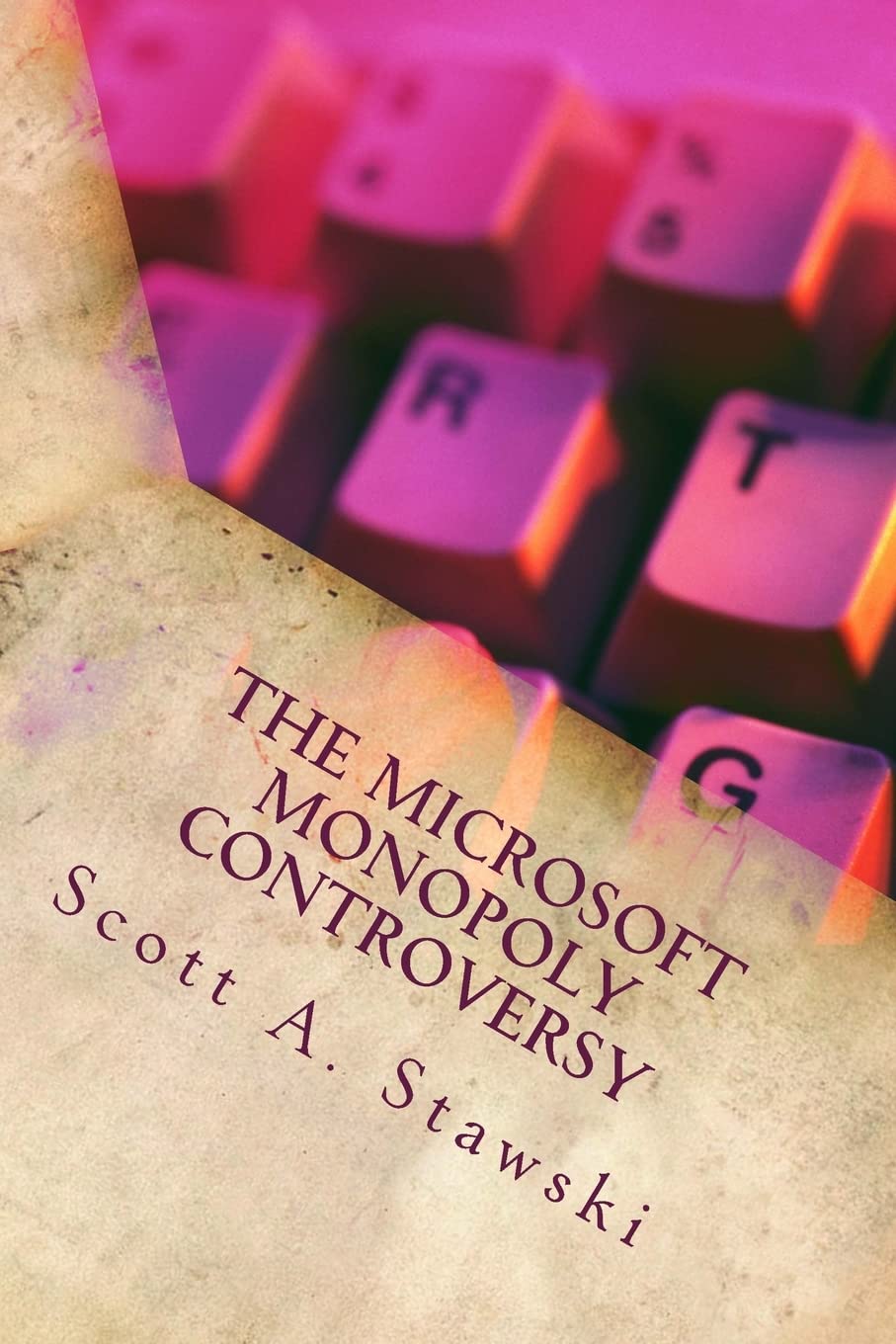
Title
The Microsoft Monopoly Controversy: A Historical Analysis of Whether Microsoft Was an Illegal Monopoly in the 1990s,Used
Sold by Ergodebooks, an authorized reseller.
Returns accepted within 30 days | support@ergodebooks.com
Shipping Information
- Free Standard Shipping — United States only
- Processing Time: 3–5 business days
- Estimated Delivery: 6–10 business days after dispatch
- Double-boxed, fully insured & discreetly packaged
- Tracking number sent via email once dispatched
Returns & Refund
Returns accepted within 30 days of delivery.
Damaged or Defective Item
Free return shipping + replacement or full refund
Wrong Item Received
Free return shipping + replacement or full refund
Change of Mind
Return shipping at customer's expense · 25% restocking fee applies
Payment Option

Was Microsoft an illegal monopoly that engaged in abusive practices during the late 1990s and early 2000s? The debate as to whether Microsoft was an illegal monopoly continues to this day. Microsoft has received much media coverage surrounding the legal cases both in the United States and Europe. This media coverage and some of the initial legal findings concluded that Microsoft was an illegal monopoly with abusive practices. The frequency of this assertion has resulted in a de facto belief in its truth in some circles. However, others cite subsequent legal decisions as well as new developments in the industry over the past decade to assert that Microsoft was not an illegal monopoly, but merely a successful innovator. These advocates believe that Microsoft has a place in history, that it was central to both the PC and the Internet revolutions and that the monopolistic fervor against Microsoft in the 1990s is a cautionary lesson about judicial overreach in a business sector the courts do not understand. The research paper reviews arguments on both sides of the controversy.
⚠️ WARNING (California Proposition 65):
This product may contain chemicals known to the State of California to cause cancer, birth defects, or other reproductive harm.
For more information, please visit www.P65Warnings.ca.gov.