If you have any questions, you are always welcome to contact us. We'll get back to you as soon as possible, withing 24 hours on weekdays.
Customer service
All questions about your order, return and delivery must be sent to our customer service team by e-mail at yourstore@yourdomain.com
Sale & Press
If you are interested in selling our products, need more information about our brand or wish to make a collaboration, please contact us at press@yourdomain.com
Help
If you have any questions, you are always welcome to contact us. We'll get back to you as soon as possible, withing 24 hours on weekdays.
Customer service
All questions about your order, return and delivery must be sent to our customer service team by e-mail at yourstore@yourdomain.com
Sale & Press
If you are interested in selling our products, need more information about our brand or wish to make a collaboration, please contact us at press@yourdomain.com
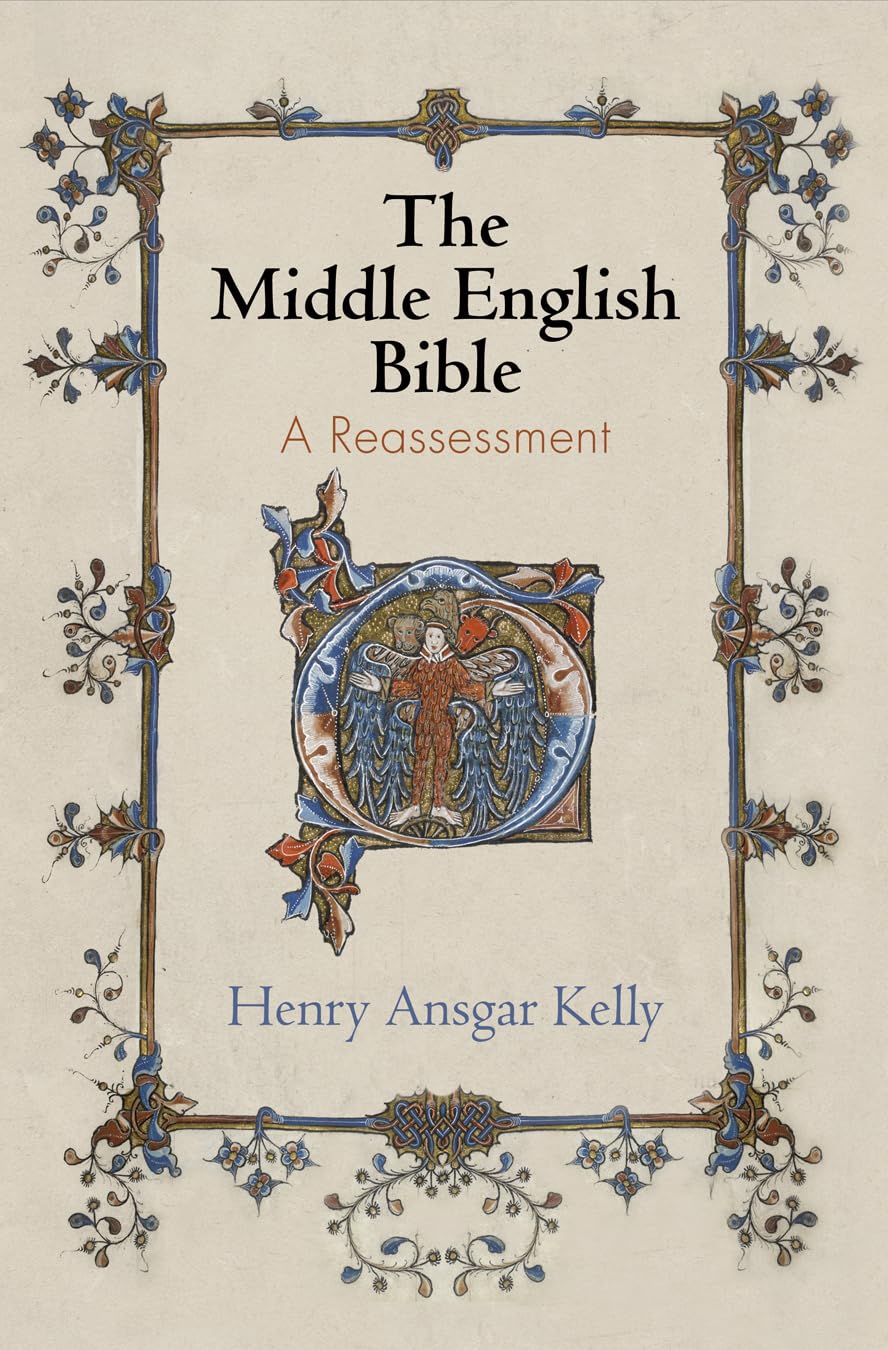
In the last quarter of the fourteenth century, the complete Old and New Testaments were translated from Latin into English, first very literally, and then revised into a more fluent, less Latinate style. This outstanding achievement, the Middle English Bible, is known by most modern scholars as the 'Wycliffite' or 'Lollard' Bible, attributing it to followers of the heretic John Wyclif. Prevailing scholarly opinion also holds that this Bible was condemned and banned by the archbishop of Canterbury, Thomas Arundel, at the Council of Oxford in 1407, even though it continued to be copied at a great rate. Indeed, Henry Ansgar Kelly notes, it was the most popular work in English of the Middle Ages and was frequently consulted for help in understanding Scripture readings at Sunday Mass.In The Middle English Bible: A Reassessment, Kelly finds the bases for the Wycliffite origins of the Middle English Bible to be mostly illusory. While there were attempts by the Lollard movement to appropriate or coopt it after the fact, the translation project, which appears to have originated at the University of Oxford, was wholly orthodox. Further, the 1407 Council did not ban translations but instead mandated that they be approved by a local bishop. It was only in the early sixteenth century, in the years before the Reformation, that English translations of the Bible would be banned.
⚠️ WARNING (California Proposition 65):
This product may contain chemicals known to the State of California to cause cancer,
birth defects, or other reproductive harm.
For MAP (Minimum Advertised Price) violations and Intellectual Property (IP) or Trademark concerns, please contact:
support@ergodebooks.com
⚠️ California Proposition 65 Warning: Some products sold on this website may expose you to chemicals known to the State of California to cause cancer, birth defects, or other reproductive harm. For more information, visit www.P65Warnings.ca.gov.