
Title
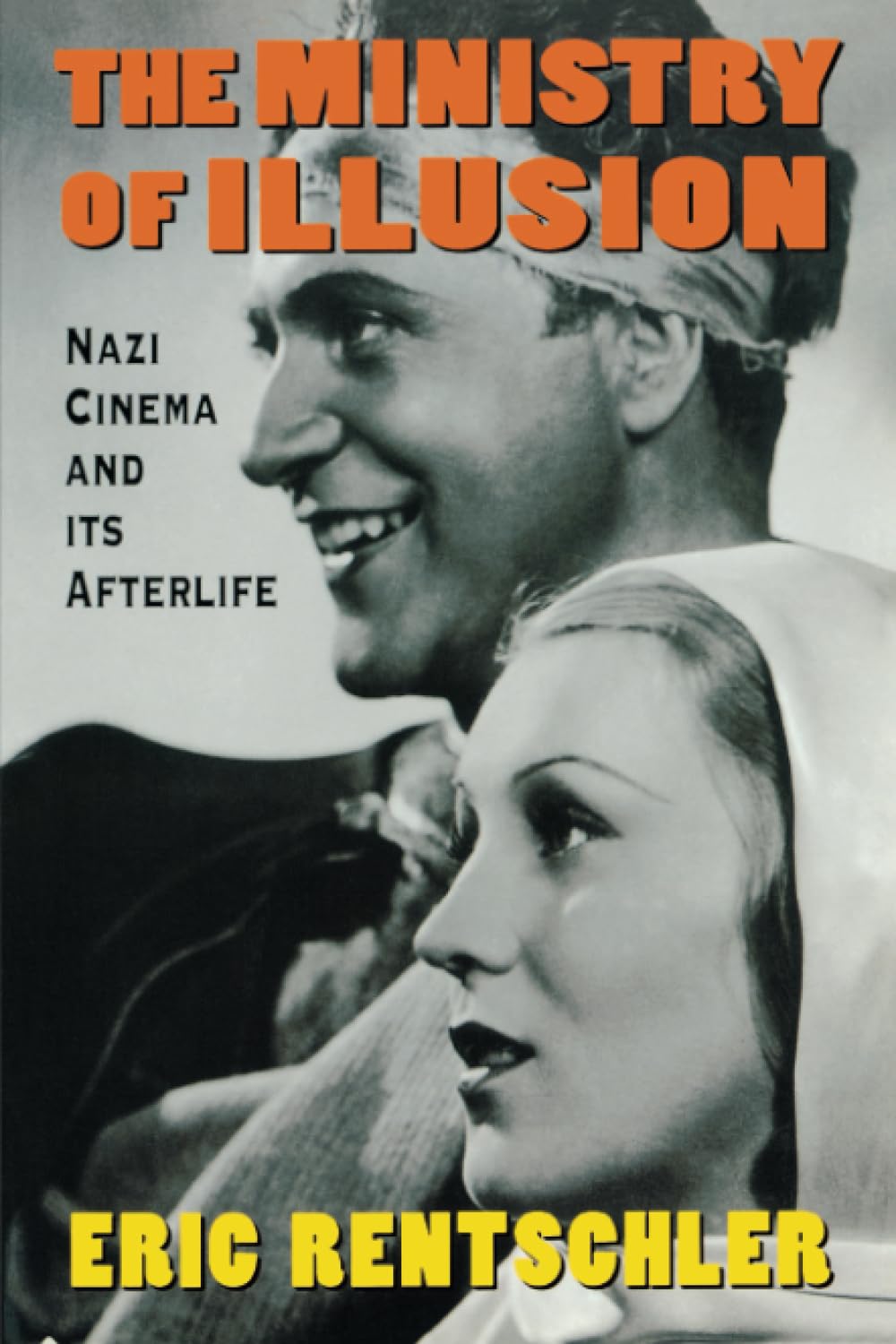
The Ministry of Illusion: Nazi Cinema and Its Afterlife,Used
Sold by Ergodebooks, an authorized reseller.
Returns accepted within 30 days | support@ergodebooks.com
Shipping Information
- Free Standard Shipping — United States only
- Processing Time: 3–5 business days
- Estimated Delivery: 6–10 business days after dispatch
- Double-boxed, fully insured & discreetly packaged
- Tracking number sent via email once dispatched
Returns & Refund
Returns accepted within 30 days of delivery.
Damaged or Defective Item
Free return shipping + replacement or full refund
Wrong Item Received
Free return shipping + replacement or full refund
Change of Mind
Return shipping at customer's expense · 25% restocking fee applies
Payment Option

German cinema of the Third Reich, even a halfcentury after Hitler's demise, still provokes extreme reactions. 'Never before and in no other country,' observes director Wim Wenders, 'have images and language been abused so unscrupulously as here, never before and nowhere else have they been debased so deeply as vehicles to transmit lies.' More than a thousand German feature films that premiered during the reign of National Socialism survive as mementoes of what many regard as film history's darkest hour.As Eric Rentschler argues, however, cinema in the Third Reich emanated from a Ministry of Illusion and not from a Ministry of Fear. Party vehicles such as Hitler Youth Quex and antiSemitic hate films such as Jew Sss may warrant the epithet 'Nazi propaganda,' but they amount to a mere fraction of the productions from this era. The vast majority of the epoch's films seemed to be 'unpolitical'melodramas, biopix, and frothy entertainments set in cozy urbane surroundings, places where one rarely sees a swastika or hears a 'Sieg Heil.'Minister of propaganda Joseph Goebbels, Rentschler shows, endeavored to maximize film's seductive potential, to cloak party priorities in alluring cinematic shapes. Hitler and Goebbels were master showmen enamored of their media images, the Third Reich was a grand production, the Second World War a continuing movie of the week. The Nazis were movie mad, and the Third Reich was movie made. Rentschler's analysis of the sophisticated media culture of this period demonstrates in an unprecedented way the potent and destructive powers of fascination and fantasy. Nazi feature filmsboth as entities that unreeled in moviehouses during the regime and as productions that continue to enjoy wide attention todayshow that entertainment is often much more than innocent pleasure.
⚠️ WARNING (California Proposition 65):
This product may contain chemicals known to the State of California to cause cancer, birth defects, or other reproductive harm.
For more information, please visit www.P65Warnings.ca.gov.
- Q: What is the binding type of this book? A: This book has a paperback binding. Paperback is a flexible and lightweight option, making it easy to handle and read.
- Q: How many pages does this book have? A: This book contains four hundred seventy-seven pages. It's a substantial read, providing in-depth analysis and insights.
- Q: What are the dimensions of this book? A: The book measures six point fourteen inches in length, one point twenty-six inches in width, and nine point twenty-five inches in height. These dimensions make it a standard size for easy shelf storage.
- Q: Who is the author of this book? A: The author of this book is Eric Rentschler. He is known for his expertise in German cinema and cultural studies.
- Q: What subject does this book cover? A: This book covers the subject of Nazi cinema and its cultural impact. It delves into the complexities of film produced during the Third Reich.
- Q: What themes are explored in this book? A: The book explores themes of propaganda, illusion, and the seductive nature of cinema during the Nazi regime. It examines how films were crafted to influence public perception.
- Q: Is this book suitable for academic study? A: Yes, this book is suitable for academic study. It provides thorough research and analysis, making it a valuable resource for students and scholars.
- Q: Can I read this book if I'm not a film expert? A: Yes, you can read this book even if you're not a film expert. The author presents complex ideas in an accessible way for a general audience.
- Q: Is this book intended for adult readers only? A: Yes, this book is intended for adult readers. It discusses mature themes related to historical events and cinema.
- Q: How should I store this book? A: Store this book in a cool, dry place, upright on a shelf. This will help preserve its condition and prevent damage.
- Q: Can this book be cleaned? A: Yes, you can clean this book gently. Use a soft, dry cloth to remove dust from the cover and pages.
- Q: What if I receive a damaged copy of the book? A: If you receive a damaged copy of the book, contact the seller for a return or exchange. Most sellers offer policies for damaged items.
- Q: Is there a warranty for this book? A: Typically, there is no warranty for books. However, check with the seller for their specific return and exchange policies.
- Q: What kind of reader would enjoy this book? A: Readers interested in film history, cultural studies, and Nazi Germany would enjoy this book. It's ideal for those who appreciate in-depth analysis.
- Q: Does this book include images or illustrations? A: No, this book does not include images or illustrations. It focuses primarily on text and analysis of Nazi cinema.