
Title
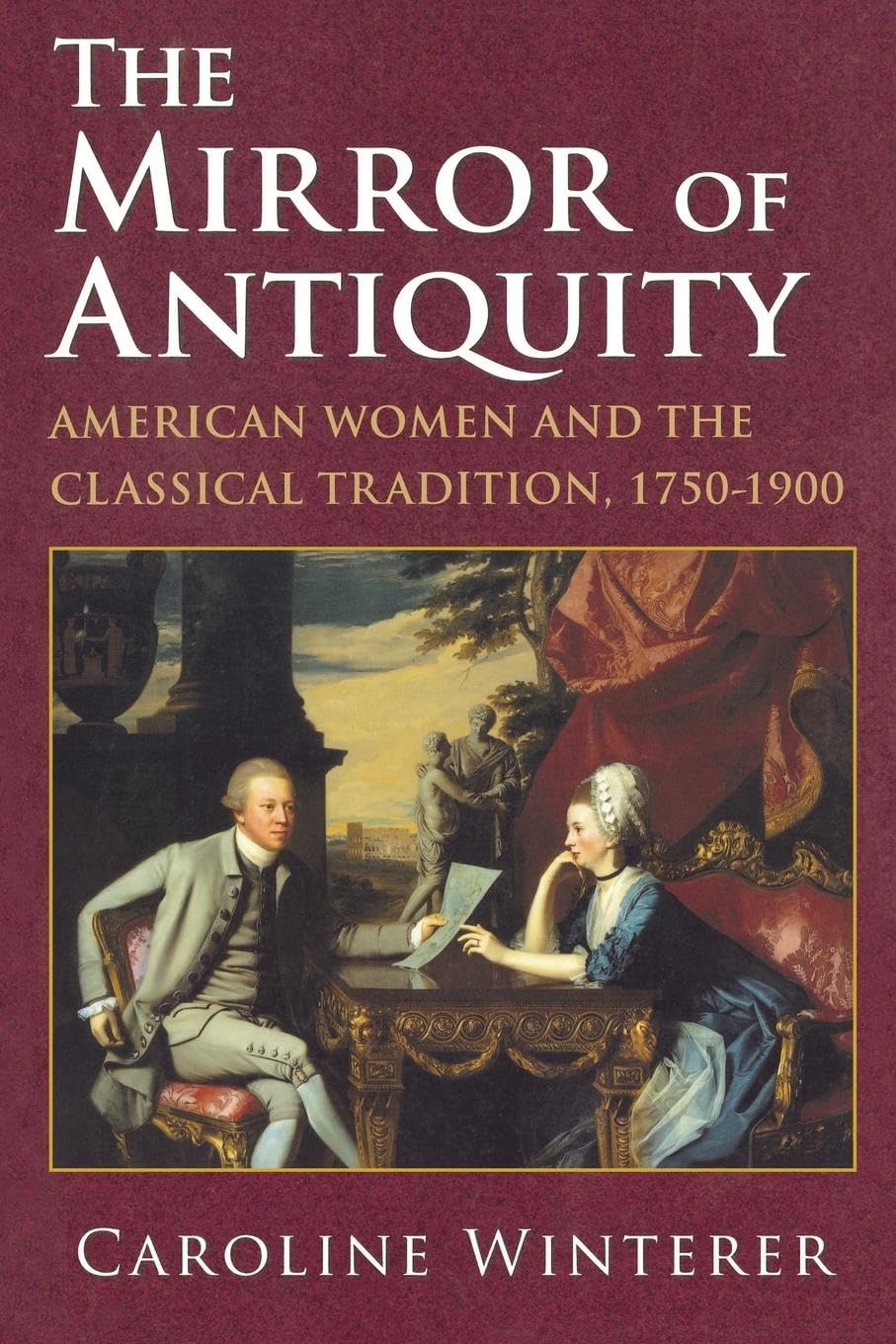
The Mirror of Antiquity: American Women and the Classical Tradition, 17501900,Used
Sold by Ergodebooks, an authorized reseller.
Returns accepted within 30 days | support@ergodebooks.com
Shipping Information
- Free Standard Shipping — United States only
- Processing Time: 3–5 business days
- Estimated Delivery: 6–10 business days after dispatch
- Double-boxed, fully insured & discreetly packaged
- Tracking number sent via email once dispatched
Returns & Refund
Returns accepted within 30 days of delivery.
Damaged or Defective Item
Free return shipping + replacement or full refund
Wrong Item Received
Free return shipping + replacement or full refund
Change of Mind
Return shipping at customer's expense · 25% restocking fee applies
Payment Option

In The Mirror of Antiquity, Caroline Winterer uncovers the lost world of American women's classicism during its glory days from the eighteenth through the nineteenth centuries. Overturning the widely held belief that classical learning and political ideals were relevant only to men, she follows the lives of four generations of American women through their diaries, letters, books, needlework, and drawings, demonstrating how classicism was at the center of their experience as mothers, daughters, and wives. Importantly, she pays equal attention to women from the North and from the South, and to the ways that classicism shaped the lives of black women in slavery and freedom.In a strikingly innovative use of both texts and material culture, Winterer exposes the neoclassical world of furnishings, art, and fashion created in part through networks dominated by elite women. Many of these women were at the center of the national experience. Here readers will find Abigail Adams, teaching her children Latin and signing her letters as Portia, the wife of the Roman senator Brutus; the Massachusetts slave Phillis Wheatley, writing poems in imitation of her favorite books, Alexander Pope's Iliad and Odyssey; Dolley Madison, giving advice on Greek taste and style to the U.S. Capitol's architect, Benjamin Latrobe; and the abolitionist and feminist Lydia Maria Child, who showed Americans that modern slavery had its roots in the slave societies of Greece and Rome.Thoroughly embedded in the major ideas and events of the timethe American Revolution, slavery and abolitionism, the rise of a consumer societythis original book is a major contribution to American cultural and intellectual history.
⚠️ WARNING (California Proposition 65):
This product may contain chemicals known to the State of California to cause cancer, birth defects, or other reproductive harm.
For more information, please visit www.P65Warnings.ca.gov.