If you have any questions, you are always welcome to contact us. We'll get back to you as soon as possible, withing 24 hours on weekdays.
Customer service
All questions about your order, return and delivery must be sent to our customer service team by e-mail at yourstore@yourdomain.com
Sale & Press
If you are interested in selling our products, need more information about our brand or wish to make a collaboration, please contact us at press@yourdomain.com
Help
If you have any questions, you are always welcome to contact us. We'll get back to you as soon as possible, withing 24 hours on weekdays.
Customer service
All questions about your order, return and delivery must be sent to our customer service team by e-mail at yourstore@yourdomain.com
Sale & Press
If you are interested in selling our products, need more information about our brand or wish to make a collaboration, please contact us at press@yourdomain.com
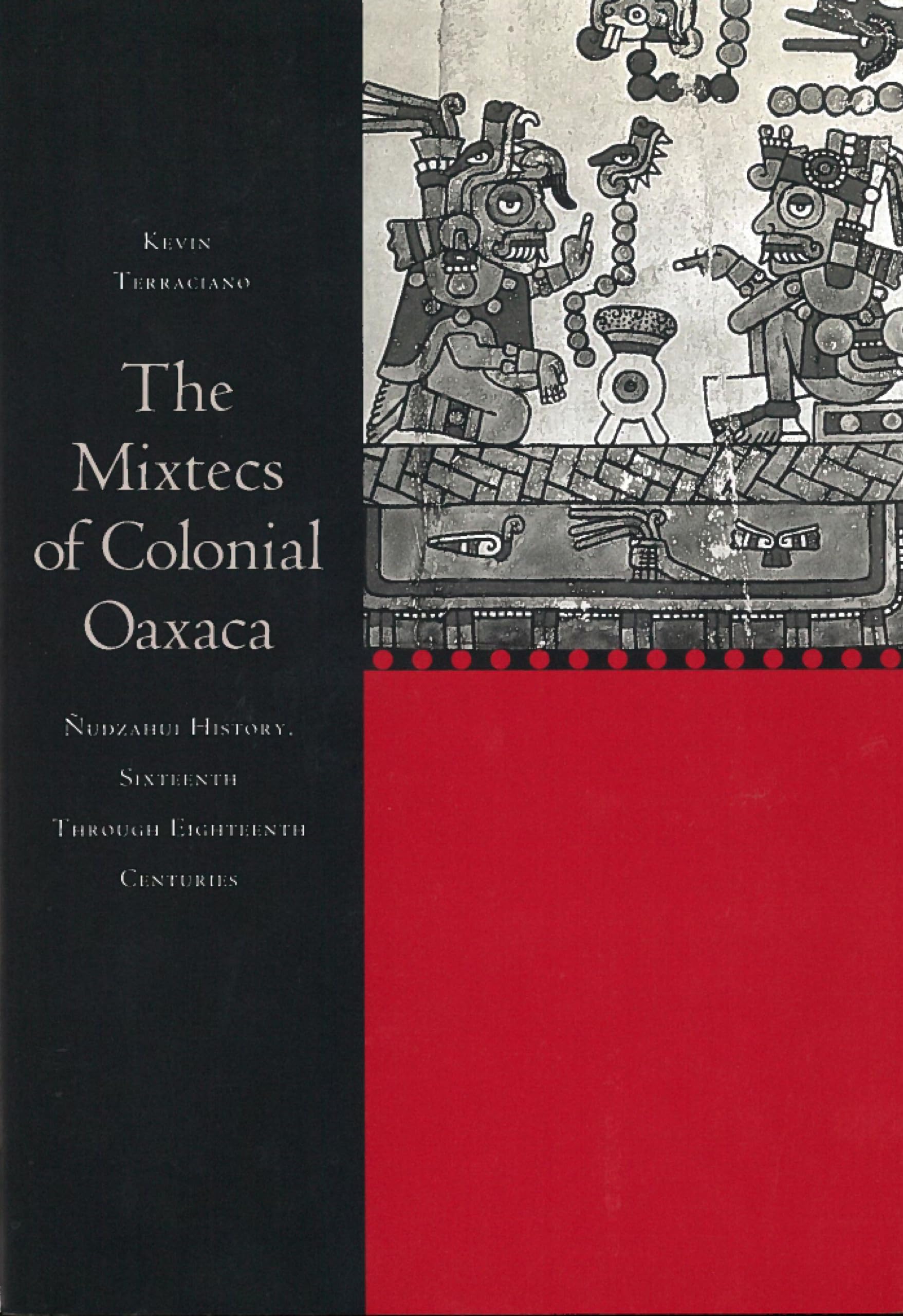
This book is a history of the Mixtec Indians of southern Mexico, who in their own language call themselves Tay udzahui, 'people of the rain place.' These people were among the most populous cultural and language groups of Mesoamerica at the time of the Spanish conquest. This study focuses on several dozen Mixtec communities in the region of Oaxaca during the period from about 1540 to 1750.The work is largely based on an extraordinary collection of primary sources, translated and analyzed by the author, that were written by Mixtecs in the roman alphabet from the midsixteenth to the early nineteenth centuries. To complement this nativelanguage corpus, the author has examined preconquest and early colonial pictorial writings, Spanishlanguage civil and trial records, and Nahuatl (Aztec) texts.The book addresses many interrelated topics, including writing, language, sociopolitical organization, local government, social and gender relations, land tenure, trade, rebellion, religion, ethnicity, and historical memory. Throughout, the author emphasizes the internal, indigenous perspective instead of relying on Spanish sources and points of view. In its focus on indigenous concepts, the book introduces a new terminology and new categories of analysis in colonial Mexican history. The conclusion makes detailed comparisons with recent findings on the Nahuas of central Mexico and the Maya of Yucatn, and revisits the question of cultural change among indigenous peoples under colonial rule.
⚠️ WARNING (California Proposition 65):
This product may contain chemicals known to the State of California to cause cancer,
birth defects, or other reproductive harm.
For MAP (Minimum Advertised Price) violations and Intellectual Property (IP) or Trademark concerns, please contact:
support@ergodebooks.com
⚠️ California Proposition 65 Warning: Some products sold on this website may expose you to chemicals known to the State of California to cause cancer, birth defects, or other reproductive harm. For more information, visit www.P65Warnings.ca.gov.