
Title
The Moral Economists: R. H. Tawney, Karl Polanyi, E. P. Thompson, and the Critique of Capitalism,Used
Sold by Ergodebooks, an authorized reseller.
Returns accepted within 30 days | support@ergodebooks.com
Shipping Information
- Free Standard Shipping — United States only
- Processing Time: 3–5 business days
- Estimated Delivery: 6–10 business days after dispatch
- Double-boxed, fully insured & discreetly packaged
- Tracking number sent via email once dispatched
Returns & Refund
Returns accepted within 30 days of delivery.
Damaged or Defective Item
Free return shipping + replacement or full refund
Wrong Item Received
Free return shipping + replacement or full refund
Change of Mind
Return shipping at customer's expense · 25% restocking fee applies
Payment Option

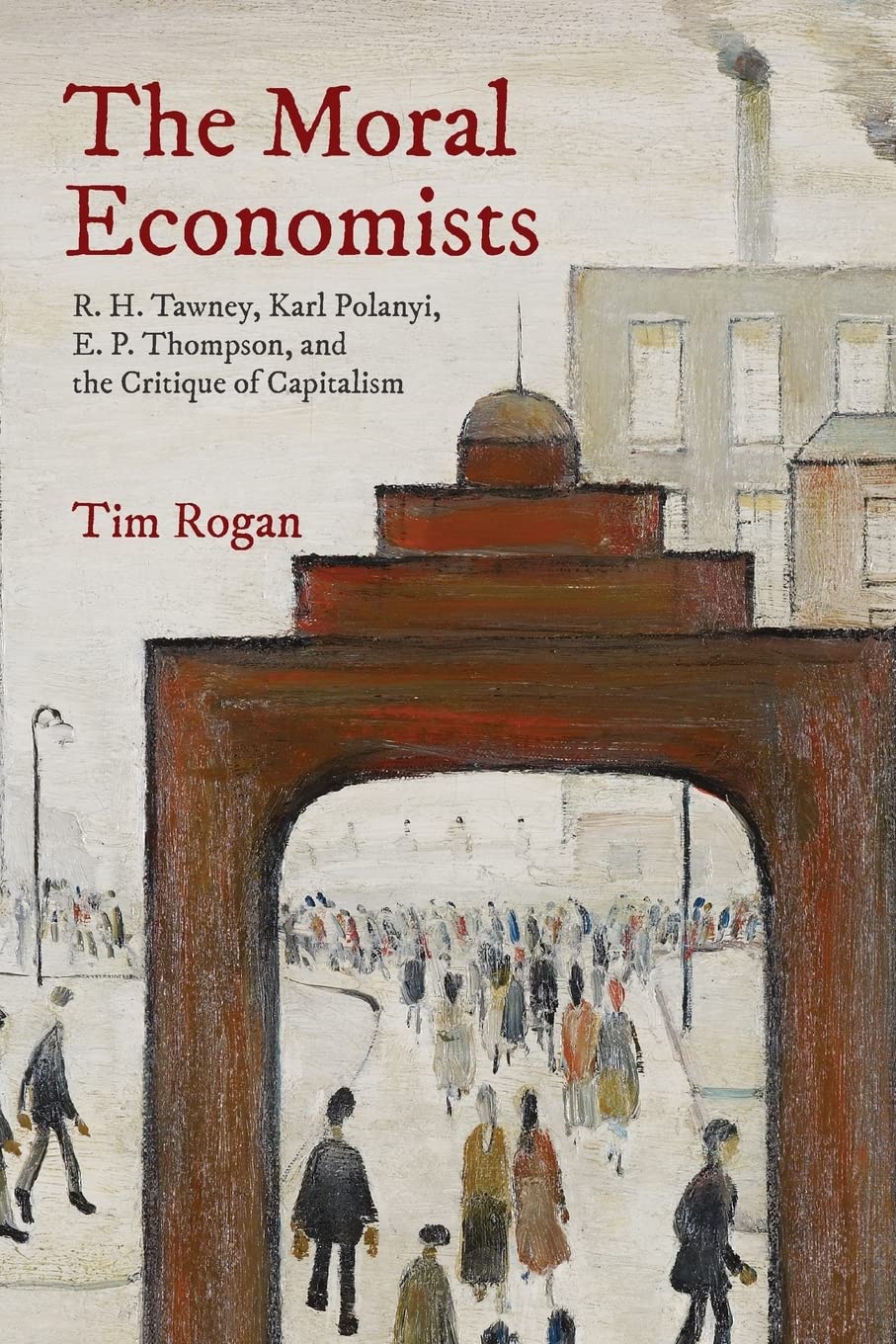
A fresh look at how three important twentiethcentury British thinkers viewed capitalism through a moral rather than material lensWhats wrong with capitalism? Answers to that question today focus on material inequality. Led by economists and conducted in utilitarian terms, the critique of capitalism in the twentyfirst century is primarily concerned with disparities in income and wealth. It was not always so. The Moral Economists reconstructs another critical tradition, developed across the twentieth century in Britain, in which material deprivation was less important than moral or spiritual desolation.Tim Rogan focuses on three of the twentieth centurys most influential critics of capitalismR. H. Tawney, Karl Polanyi, and E. P. Thompson. Making arguments about the relationships between economics and ethics in modernity, their works commanded wide readerships, shaped research agendas, and influenced public opinion. Rejecting the social philosophy of laissezfaire but fearing authoritarianism, these writers sought out forms of social solidarity closer than individualism admitted but freer than collectivism allowed. They discovered such solidarities while teaching economics, history, and literature to workers in the north of England and elsewhere. They wrote histories of capitalism to make these solidarities articulate. They used makeshift languages of tradition and custom to describe them until Thompson patented the idea of the moral economy. Their program began as a way of theorizing everything economics left out, but in challenging utilitarian orthodoxy in economics from the outside, they anticipated the work of later innovators inside economics.Examining the moral cornerstones of a twentiethcentury critique of capitalism, The Moral Economists explains why this critique fell into disuse, and how it might be reformulated for the twentyfirst century.
⚠️ WARNING (California Proposition 65):
This product may contain chemicals known to the State of California to cause cancer, birth defects, or other reproductive harm.
For more information, please visit www.P65Warnings.ca.gov.