
Title
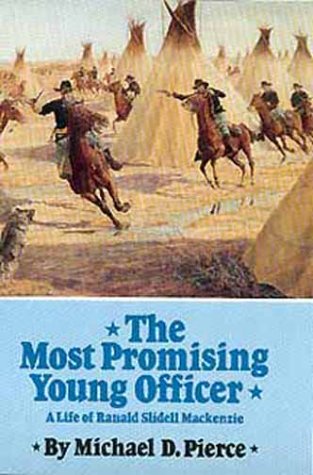
The Most Promising Young Officer: A Life Of Ranald Slidell Mackenzie,New
Sold by Ergodebooks, an authorized reseller.
Returns accepted within 30 days | support@ergodebooks.com
Shipping Information
- Free Standard Shipping — United States only
- Processing Time: 3–5 business days
- Estimated Delivery: 6–10 business days after dispatch
- Double-boxed, fully insured & discreetly packaged
- Tracking number sent via email once dispatched
Returns & Refund
Returns accepted within 30 days of delivery.
Damaged or Defective Item
Free return shipping + replacement or full refund
Wrong Item Received
Free return shipping + replacement or full refund
Change of Mind
Return shipping at customer's expense · 25% restocking fee applies
Payment Option

Unlike The Flashy And Selfpromoting George Armstrong Custer, Civil War Veteran And Indian Fighter Ranald Slidell Mackenzie Is Not Well Known Today. In The Late Nineteenth Century, However, Mackenzie Ranked Among The Best Known And Most Effective Of A Group Of Young Army Colonels Who Led In The Defeat Of The Plains Indians And The Opening Of The West To White Settlement, As Michael D. Pierce Shows In This Compelling And Poignant Biography.A Rather Shy And Sometimes Distant Personality, Mackenzie, After Graduating From West Point In 1862, Showed Early Promise In His Civil War Service. After Peace Was Won, He Moved West To Command Frontier Regiments And Soon Was Given Command Of The Fourth Cavalry.Mackenzie Lost No Time In Bringing The Fourth Cavalry To First Rank Among The Frontier Horse Regiments, And The Fourth Became Troubleshooters For President Grant And Generals Sherman And Sheridan Throughout Texas And The Plains. Mackenzie'S Career Was Especially Associated With Texas, Most Notably For His Forays Into Mexico To Subdue Border Raiders And Bandits And His Part In The Defeat Of The Comanches And Kiowas, Particularly At The Battle Of Pal Duro Canyon. But He Was Also Involved In The Campaign Against The Northern Plains Indians Following Custer'S Defeat, And In 1876 He Achieved The Only Major Victory Against Them.Like Many Military Leaders In The West, Mackenzie Had A Genuine Respect For The Indians And Learned To Deal Fairly With Them On The Reservations. While Commander At Fort Sill, On The Commanchekiowa Reservation, He Worked To Ensure The Wellbeing Of The Indians He Had Fought Just A Few Years Before. In Colorado In Early 1880 His Reputation And Forcefulness Convinced The Utes To Move Peacefully To Their Reservations In Utah.In 1883, Shortly After Being Promoted To Brigadier General And Being Assigned To Command The Department Of Texas, Mackenzie Suffered A Mental Breakdown, Possibly Triggered By Syphilis. Retired Immediately From Military Service, He Required Constant Care And Declined Rapidly Until His Death In 1889. Unfortunately, His Untimely Illness And Death Prevented Him From Having Direct Influence On The Last Years Of The Indian Wars And The Development Of The Twentiethcentury Army; Nevertheless, In Military Capability And Effectiveness, Ranald Slidell Mackenzie Stands With The Best Of Officers In The Postcivil War Army.
⚠️ WARNING (California Proposition 65):
This product may contain chemicals known to the State of California to cause cancer, birth defects, or other reproductive harm.
For more information, please visit www.P65Warnings.ca.gov.