
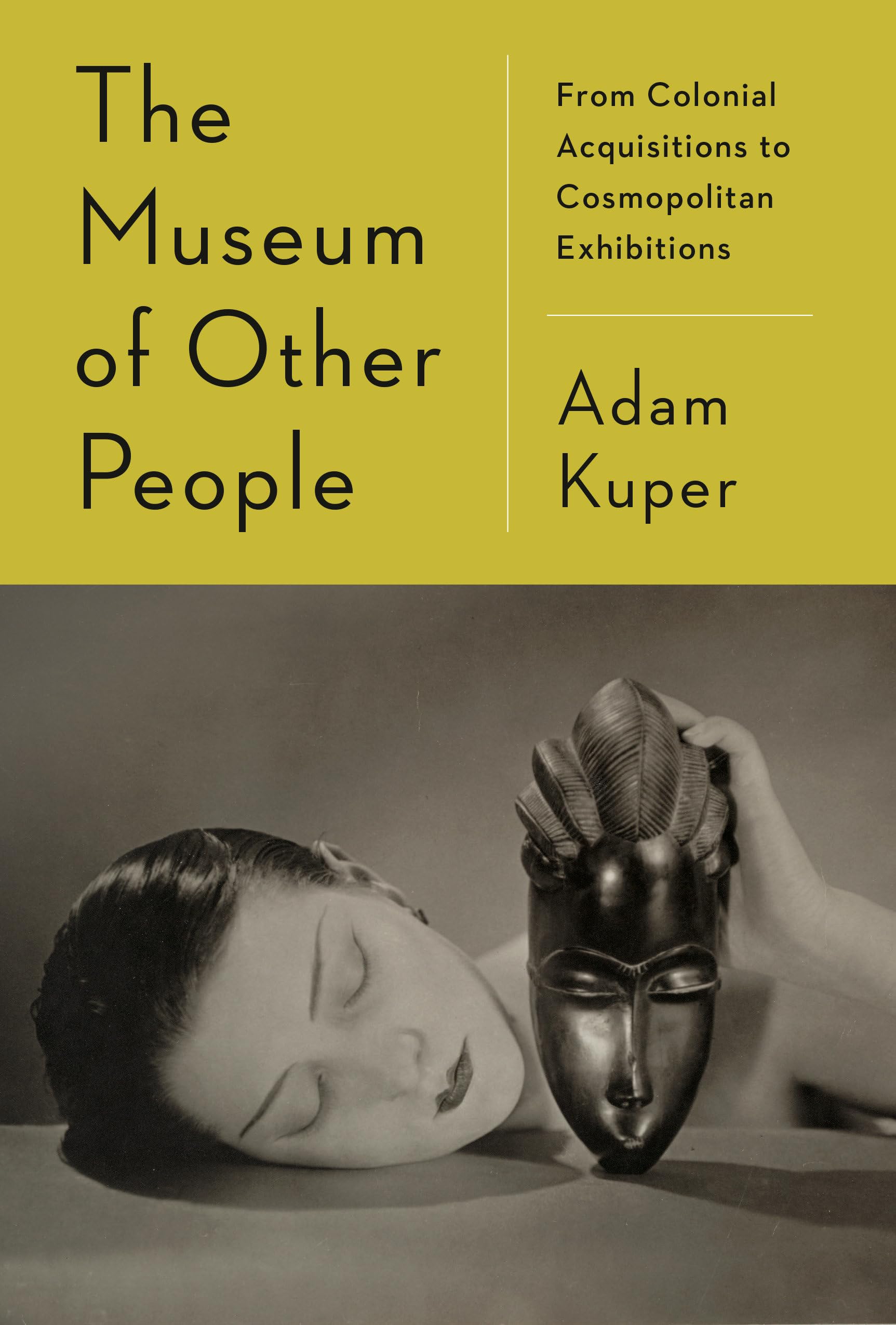
Title
The Museum Of Other People: From Colonial Acquisitions To Cosmopolitan Exhibitions,New
Sold by Ergodebooks, an authorized reseller.
Returns accepted within 30 days | support@ergodebooks.com
Shipping Information
- Free Standard Shipping — United States only
- Processing Time: 3–5 business days
- Estimated Delivery: 6–10 business days after dispatch
- Double-boxed, fully insured & discreetly packaged
- Tracking number sent via email once dispatched
Returns & Refund
Returns accepted within 30 days of delivery.
Damaged or Defective Item
Free return shipping + replacement or full refund
Wrong Item Received
Free return shipping + replacement or full refund
Change of Mind
Return shipping at customer's expense · 25% restocking fee applies
Payment Option

From one of the worlds most distinguished anthropologists, an important and timely work of cultural history that looks at the origins and much debated future of anthropology museumsIn this deeply researched, immersive history, Adam Kuper tells the story of how foreign and prehistoric peoples and cultures were represented in Western museums of anthropology. Originally created as colonial enterprises, their halls were populated by displays of plundered art, artifacts, dioramas, bones, and relics. Kuper reveals the politics and struggles of trying to build these museums in Germany, France, and England in the mid19th century, and the dramatic encounters between the very colorful and eccentric collectors, curators, political figures, and high members of the church who founded them. He also details the creation of contemporary museums and exhibitions, including the Smithsonian, the Harvards Peabody Museum of American Archaeology and Ethnology, and the famous 1893 Worlds Columbian Exposition in Chicago which was inspired by the Paris World Fair of 1889.Despite the widespread popularity and cultural importance of these institutions, there also lies a murky legacy of imperialism, colonialism, and scientific racism in their creation. Kuper tackles difficult questions of repatriation and justice, and how best to ensure that the future of these museums is an ethical, appreciative one that promotes learning and cultural exchange.A stunning, unique, accessible work based on a lifetime of research, The Museum of Other People reckons with the painfully fraught history of museums of natural history, and how curators, anthropologists, and museumgoers alike can move forward alongside these timehonored institutions.
⚠️ WARNING (California Proposition 65):
This product may contain chemicals known to the State of California to cause cancer, birth defects, or other reproductive harm.
For more information, please visit www.P65Warnings.ca.gov.
- Q: What is the binding type of this book? A: This book is a hardcover edition. Hardcover bindings are known for their durability and premium feel.
- Q: How many pages does 'The Museum of Other People' have? A: This book contains four hundred thirty-two pages. It offers an in-depth exploration of cultural history and anthropology.
- Q: What are the dimensions of this book? A: The dimensions are six point four two inches in length, one point four two inches in width, and nine point five inches in height. These measurements make it a manageable size for reading.
- Q: Who is the author of this book? A: The author is Adam Kuper. He is a distinguished anthropologist known for his contributions to cultural history.
- Q: What genre does this book belong to? A: This book falls under the category of Historical Study and Educational Resources. It addresses themes of anthropology and museum studies.
- Q: What is the main focus of the book's content? A: The book focuses on the history and future of anthropology museums. It discusses issues of ownership, restitution, and cultural representation.
- Q: Is this book suitable for academic study? A: Yes, this book is suitable for academic study. It is based on extensive research and tackles significant questions in anthropology.
- Q: Can this book be used for casual reading? A: Yes, it can be used for casual reading. Its accessible writing style makes complex topics easier to understand.
- Q: Is this book appropriate for younger audiences? A: The book is best suited for adults and older teens. It addresses complex themes related to colonialism and cultural history.
- Q: How should I care for this hardcover book? A: To care for this hardcover book, keep it in a dry place and avoid direct sunlight. This will help preserve its condition.
- Q: What should I do if I receive a damaged copy? A: If you receive a damaged copy, contact the seller for a return or replacement. Most sellers offer customer support for such issues.
- Q: Does this book come with a warranty? A: No, this book does not come with a warranty. However, you can check the return policy with the seller.
- Q: Can this book be found in digital format? A: Yes, this book is also available in digital format. E-books can be convenient for reading on various devices.
- Q: How is the book organized? A: The book is organized into chapters that systematically explore different aspects of anthropology museums and their histories.
- Q: What makes this book a unique reading experience? A: This book offers a unique perspective on the legacy of museums, making it both informative and thought-provoking. It challenges readers to consider ethical issues in cultural representation.