If you have any questions, you are always welcome to contact us. We'll get back to you as soon as possible, withing 24 hours on weekdays.
Customer service
All questions about your order, return and delivery must be sent to our customer service team by e-mail at yourstore@yourdomain.com
Sale & Press
If you are interested in selling our products, need more information about our brand or wish to make a collaboration, please contact us at press@yourdomain.com
Help
If you have any questions, you are always welcome to contact us. We'll get back to you as soon as possible, withing 24 hours on weekdays.
Customer service
All questions about your order, return and delivery must be sent to our customer service team by e-mail at yourstore@yourdomain.com
Sale & Press
If you are interested in selling our products, need more information about our brand or wish to make a collaboration, please contact us at press@yourdomain.com
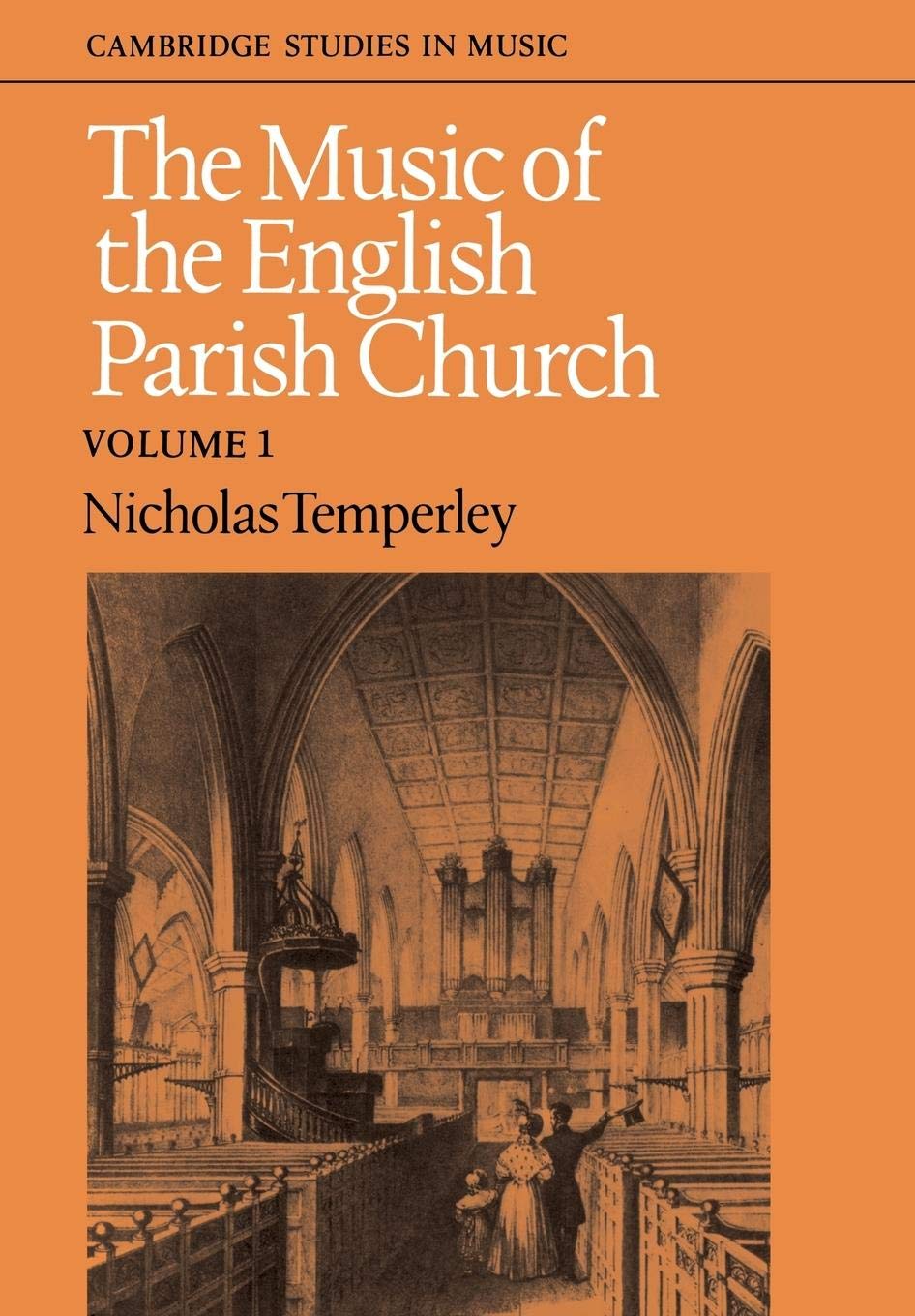
This book is the most thorough and extensive history of English parish church music ever published, covering the period from the late middle ages to the present day. Through the ages English parish churches have resounded to all manner of music, ranging from the rich choral polyphony of Henry VIII's or Victoria's reigns to the bare unaccompanied psalm tunes of the seventeenth century. Temperley has found in this neglected field a wealth of fascinating music, as well as a host of intellectual problems to intrigue the scholar. A recurring theme of the book is the conflict between two incompatible goals for Protestant parish church music: artistic performance and popular expression. Professor Temperley suggests that the Elizabethan metrical psalm tunes were survivors of a mode of popular music that preceded the familiar corpus of ballad tunes. Passed on by oral transmission through several generations of unregulated singing, these once lively tunes changed gradually into very slow, quavering chants. This later style, which came to be called 'the old way of singing', is fully described and explained here for the first time. Temperley guides the reader through the complex social, theological and aesthetic movements that played their part in the formation of the late Victorian ideal of the surpliced choir in every chancel, and he makes a fresh assessment of that old bugbear, the Victorian hymn tune. His findings show that the radical liturgical experiments of the last few years have not dislodged the Victorian model for the music of the English parish church.
⚠️ WARNING (California Proposition 65):
This product may contain chemicals known to the State of California to cause cancer,
birth defects, or other reproductive harm.
For MAP (Minimum Advertised Price) violations and Intellectual Property (IP) or Trademark concerns, please contact:
support@ergodebooks.com
⚠️ California Proposition 65 Warning: Some products sold on this website may expose you to chemicals known to the State of California to cause cancer, birth defects, or other reproductive harm. For more information, visit www.P65Warnings.ca.gov.