
Title
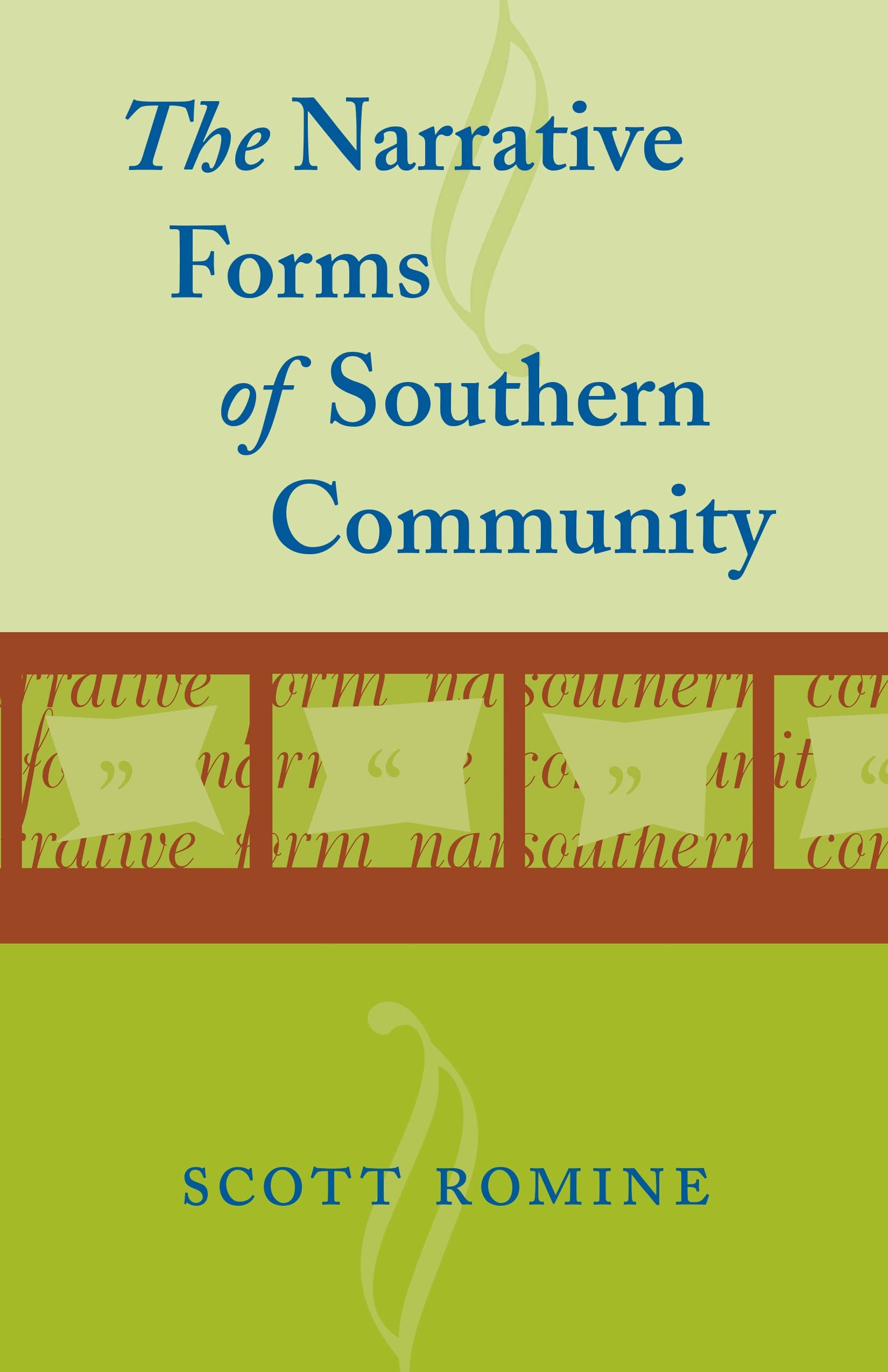
The Narrative Forms Of Southern Community (Southern Literary Studies),Used
Sold by Ergodebooks, an authorized reseller.
Returns accepted within 30 days | support@ergodebooks.com
Shipping Information
- Free Standard Shipping — United States only
- Processing Time: 3–5 business days
- Estimated Delivery: 6–10 business days after dispatch
- Double-boxed, fully insured & discreetly packaged
- Tracking number sent via email once dispatched
Returns & Refund
Returns accepted within 30 days of delivery.
Damaged or Defective Item
Free return shipping + replacement or full refund
Wrong Item Received
Free return shipping + replacement or full refund
Change of Mind
Return shipping at customer's expense · 25% restocking fee applies
Payment Option

In this succinct study, Scott Romine considers a key paradox that has been associated with the concept of community from the beginning of modern southern literary criticism: namely, that communities often valued for their cohesiveness and moral stability were at the same time sites of oppression along race and class lines. How were communities so deeply divided able to maintain even the appearance of organic cohesiveness? The Narrative Forms of Southern Community contains close readings of five narrativesAugustus Baldwin Longstreets Georgia Scenes, John Pendleton Kennedys Swallow Barn, Thomas Nelson Pages In Ole Virginia, William Alexander Percys Lanterns on the Levee, and William Faulkners Light in Augustthat attempt to mediate or negotiate the social tensions inherent in the stratified world they represent.Whereas most earlier examinations of community are thematically oriented, this study focuses on the formal structuresframing techniques, narrative stylistics, master codes, and collective plots, among othersthat allow the narrative in question to recover an image of an ideal social order. In particular, this book traces the narrative strategies of deferral, displacement, and evasion that enable what can be thought of as simulated consensus, a paradox that informs all of the works under discussion. Romine, in arguing against the idea of community as a group of likeminded individuals, suggests that community is better conceived as a social group that, lacking a commonly held view of reality, connects by means of norms, codes, and manners that produce an artificial, or at least symbolically constituted, social reality.Romine realizes the complexity of the concept of community and appreciates the challenges facing those who wrestle with its questions. By exploring the various ways in which writers associated with the cultural status quo attempt to rationalize the oppressive nature of society, this first booklength study of community in southern literature contributes greatly to current revisionary reappraisals by going beyond many of the old assumptions.
⚠️ WARNING (California Proposition 65):
This product may contain chemicals known to the State of California to cause cancer, birth defects, or other reproductive harm.
For more information, please visit www.P65Warnings.ca.gov.