
Title
The Natural History of Madagascar,Used
Sold by Ergodebooks, an authorized reseller.
Returns accepted within 30 days | support@ergodebooks.com
Shipping Information
- Free Standard Shipping — United States only
- Processing Time: 3–5 business days
- Estimated Delivery: 6–10 business days after dispatch
- Double-boxed, fully insured & discreetly packaged
- Tracking number sent via email once dispatched
Returns & Refund
Returns accepted within 30 days of delivery.
Damaged or Defective Item
Free return shipping + replacement or full refund
Wrong Item Received
Free return shipping + replacement or full refund
Change of Mind
Return shipping at customer's expense · 25% restocking fee applies
Payment Option

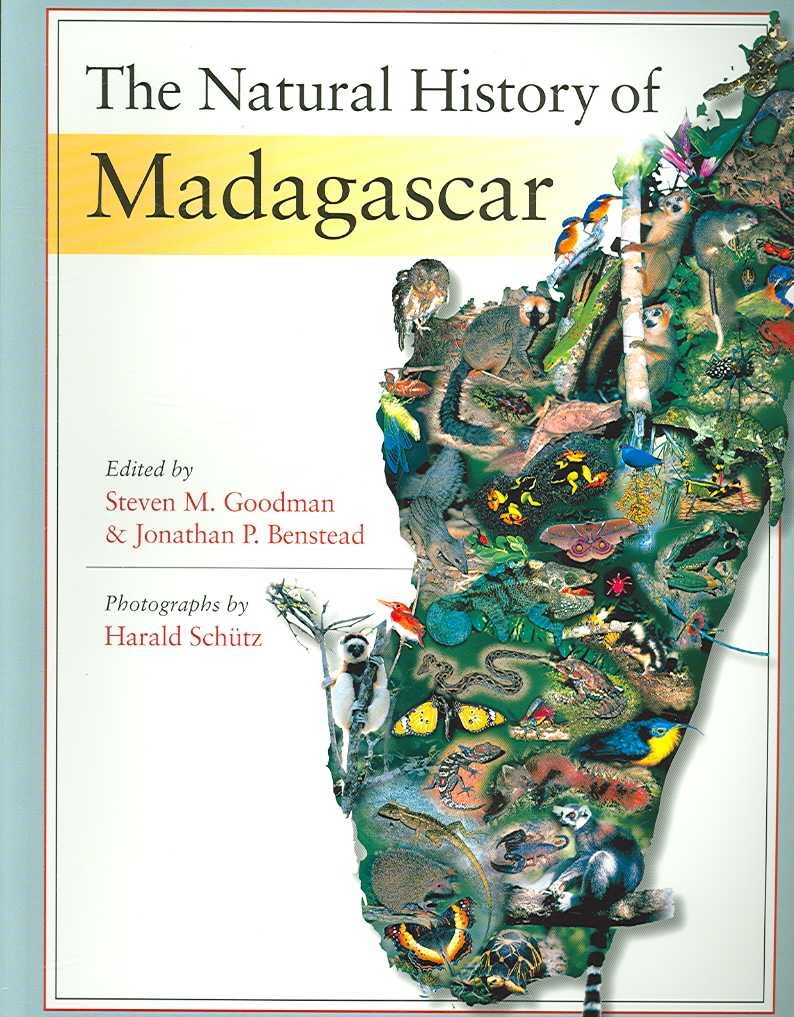
Separated from the mainland of Africa for 160 million years, Madagascar has evolved an incredible wealth of biodiversity, with thousands of species that can be found nowhere else on earth. For instance, of its estimated 12,000 plant species, nearly 10,000 are unique to Madagascar. Malagasy animals are just as spectacular, from its almost forty currently recognized species of lemursa primate group found only hereto the numerous species of tiny dwarf chameleons. With astounding frequency scientists discover a previously unknown species in Madagascarand at almost the same rate another natural area of habitat is degraded or destroyed, a combination that recently led conservation organizations to name Madagascar one of the most important and threatened conservation priorities on the planet.The Natural History of Madagascar provides the most comprehensive, uptodate synthesis available of this island nation's priceless biological treasures. Contributions by nearly three hundred worldrenowned experts cover the history of scientific exploration in Madagascar, its geology and soils, climate, forest ecology, human ecology, marine and coastal ecosystems, plants, invertebrates, fishes, amphibians, reptiles, birds, and mammals. Detailed discussions of conservation efforts in Madagascar highlight several successful park reserve programs that could serve as models for other areas. Beautifully illustrated throughout, the book includes over one hundred color illustrations, with fifty color photos by nature photographer Harald Schtz, as well as more than three hundred blackandwhite photographs and line drawings.The Natural History of Madagascar will be the invaluable reference for anyone interested in the Malagasy environment, from biologists and conservationists to policymakers and ecotourists.
⚠️ WARNING (California Proposition 65):
This product may contain chemicals known to the State of California to cause cancer, birth defects, or other reproductive harm.
For more information, please visit www.P65Warnings.ca.gov.
- Q: What is the page count of The Natural History of Madagascar? A: The book contains one thousand seven hundred twenty-eight pages. It provides an extensive overview of Madagascar's biodiversity and conservation efforts.
- Q: What are the dimensions of The Natural History of Madagascar? A: The book measures eight and a half inches in length, two point four inches in width, and eleven inches in height. These dimensions make it a substantial reference volume.
- Q: Who is the author of The Natural History of Madagascar? A: The book is authored by Steven M. Goodman. He is a prominent figure in the field of Malagasy biodiversity.
- Q: What type of binding does The Natural History of Madagascar have? A: The book is available in paperback binding. This makes it both lightweight and easy to handle for readers.
- Q: What is the main subject of The Natural History of Madagascar? A: The book focuses on the ecology and biodiversity of Madagascar. It explores the unique species and conservation challenges of the island.
- Q: How can I use The Natural History of Madagascar effectively? A: You can use this book as a comprehensive reference for research or personal interest in Madagascar's environment. It is suitable for biologists, conservationists, and ecotourists.
- Q: Is The Natural History of Madagascar suitable for all ages? A: Yes, the book is suitable for a broad audience, including policymakers and ecotourists. However, it contains detailed scientific content that may be complex for younger readers.
- Q: What topics are covered in The Natural History of Madagascar? A: The book covers various topics including geology, forest ecology, and marine ecosystems. It also discusses conservation efforts and unique species found on the island.
- Q: Can I find illustrations in The Natural History of Madagascar? A: Yes, the book includes over one hundred color illustrations and more than three hundred black-and-white photographs. These visuals enhance the understanding of the content.
- Q: How should I store The Natural History of Madagascar? A: Store the book in a cool, dry place to preserve its condition. Avoid direct sunlight to prevent fading of the illustrations and text.
- Q: Is The Natural History of Madagascar a good reference for conservationists? A: Yes, it is an invaluable reference for conservationists. The book highlights successful conservation programs that could serve as models for other regions.
- Q: What if The Natural History of Madagascar arrives damaged? A: If the book arrives damaged, you should contact the seller for a return or exchange. Most sellers have a return policy to address such issues.
- Q: What specific ecosystems are discussed in The Natural History of Madagascar? A: The book discusses forest ecology, marine ecosystems, and coastal environments. These ecosystems are crucial for understanding Madagascar's biodiversity.
- Q: Are there any conservation success stories in The Natural History of Madagascar? A: Yes, the book highlights several successful park reserve programs. These examples illustrate effective conservation strategies that can be implemented elsewhere.
- Q: Is The Natural History of Madagascar relevant for ecotourists? A: Yes, it is highly relevant for ecotourists. The book provides insights into Madagascar's unique biodiversity, enhancing the ecotourism experience.