
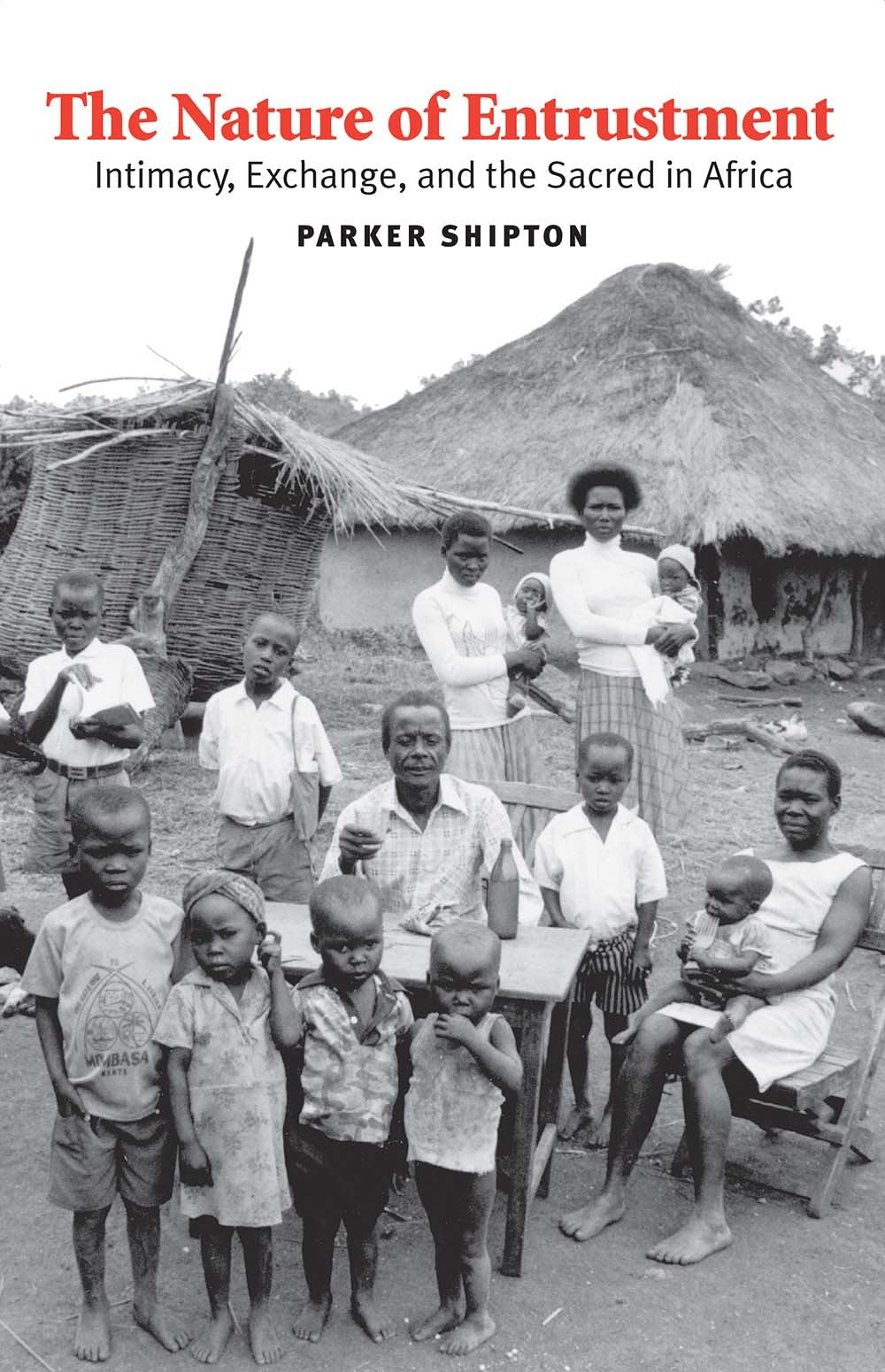
Title
The Nature Of Entrustment: Intimacy, Exchange, And The Sacred In Africa (Yale Agrarian Studies Series),New
Sold by Ergodebooks, an authorized reseller.
Returns accepted within 30 days | support@ergodebooks.com
Shipping Information
- Free Standard Shipping — United States only
- Processing Time: 3–5 business days
- Estimated Delivery: 6–10 business days after dispatch
- Double-boxed, fully insured & discreetly packaged
- Tracking number sent via email once dispatched
Returns & Refund
Returns accepted within 30 days of delivery.
Damaged or Defective Item
Free return shipping + replacement or full refund
Wrong Item Received
Free return shipping + replacement or full refund
Change of Mind
Return shipping at customer's expense · 25% restocking fee applies
Payment Option

This Groundbreaking Book Addresses Issues Of The Keenest Interest To Anthropologists, Specialists On Africa, And Those Concerned With International Aid And Development. Drawing On Extensive Research Among The Luo People In Western Kenya And Abroad Over Many Years, Parker Shipton Provides An Insightful General Ethnography. In Particular, He Focuses Closely On Nonmonetary Forms Of Exchange And Entrustment, Moving Beyond Anthropologys Traditional Understanding Of Gifts, Loans, And Reciprocity. He Proposes A New View Of The Social And Symbolic Dimensions Of Economy Over The Full Life Course, Including Transfers Between Generations. He Shows Why The Enduring Cultural Values And Aspirations Of East African Peopleand Others Around The Worldcomplicate Issues Of Credit, Debt, And Compensation.The Book Examines How The Luo Assess Obligations To Intimates And Strangers, Including The Dead And The Notyetborn. Borrowing, Lending, And Serial Passing Along Have Ritual, Religious, And Emotional Dimensions No Less Than Economic Ones, Shipton Shows, And Insight Into These Connections Demands A Broad Rethinking Of All International Aid Plans And Programs.
⚠️ WARNING (California Proposition 65):
This product may contain chemicals known to the State of California to cause cancer, birth defects, or other reproductive harm.
For more information, please visit www.P65Warnings.ca.gov.
- Q: How many pages does the book have? A: The book has two hundred eighty-one pages. This provides a comprehensive exploration of the themes presented by the author.
- Q: What are the dimensions of the book? A: The dimensions of the book are nine point three four inches in length, six point two six inches in width, and zero point nine one inches in height. These measurements make it a convenient size for reading.
- Q: What type of binding does this book have? A: The book has a hardcover binding. This enhances its durability and protects the pages over time.
- Q: Who is the author of the book? A: The author of the book is Parker MacDonald Shipton. He brings extensive research experience to the topics discussed.
- Q: What is the main focus of the book? A: The book focuses on nonmonetary forms of exchange and entrustment. It offers new insights into social and symbolic dimensions of the economy.
- Q: Is this book suitable for general audiences? A: Yes, this book is suitable for general audiences interested in anthropology and African studies. It provides valuable insights for both specialists and lay readers.
- Q: What themes are explored in the book? A: The book explores themes of intimacy, exchange, and the sacred in African cultures. It also discusses credit, debt, and cultural values.
- Q: How does the author approach the topic of exchange? A: The author approaches the topic of exchange by examining its ritual and emotional dimensions. This perspective goes beyond traditional economic analyses.
- Q: Is the book based on real-life research? A: Yes, the book is based on extensive research among the Luo people in western Kenya. This firsthand research informs the author's conclusions.
- Q: What makes this book groundbreaking? A: This book is groundbreaking because it challenges traditional anthropological understandings of gifts and reciprocity. It proposes a new view of economic interactions.
- Q: How should I care for this hardcover book? A: To care for the hardcover book, keep it in a dry, cool place and avoid exposing it to direct sunlight. This will help maintain its condition.
- Q: Can this book be a resource for international aid programs? A: Yes, the insights from this book can inform international aid programs. It emphasizes understanding cultural values in aid strategies.
- Q: What type of readers will benefit from this book? A: Readers interested in anthropology, cultural studies, and African societies will benefit from this book. It offers relevant insights for academics and practitioners.
- Q: What is the significance of the Luo people's perspective? A: The Luo people's perspective is significant as it highlights unique cultural values around obligations and exchanges. This adds depth to the understanding of economic behaviors.
- Q: Is this book available in other formats? A: Currently, the book is available in hardcover format. There may be future editions or formats released depending on demand.
- Q: What does the book suggest about obligations to the dead? A: The book suggests that obligations to the dead are assessed similarly to those for the living. This highlights the cultural importance of ancestral connections in the Luo community.