If you have any questions, you are always welcome to contact us. We'll get back to you as soon as possible, withing 24 hours on weekdays.
Customer service
All questions about your order, return and delivery must be sent to our customer service team by e-mail at yourstore@yourdomain.com
Sale & Press
If you are interested in selling our products, need more information about our brand or wish to make a collaboration, please contact us at press@yourdomain.com
Help
If you have any questions, you are always welcome to contact us. We'll get back to you as soon as possible, withing 24 hours on weekdays.
Customer service
All questions about your order, return and delivery must be sent to our customer service team by e-mail at yourstore@yourdomain.com
Sale & Press
If you are interested in selling our products, need more information about our brand or wish to make a collaboration, please contact us at press@yourdomain.com
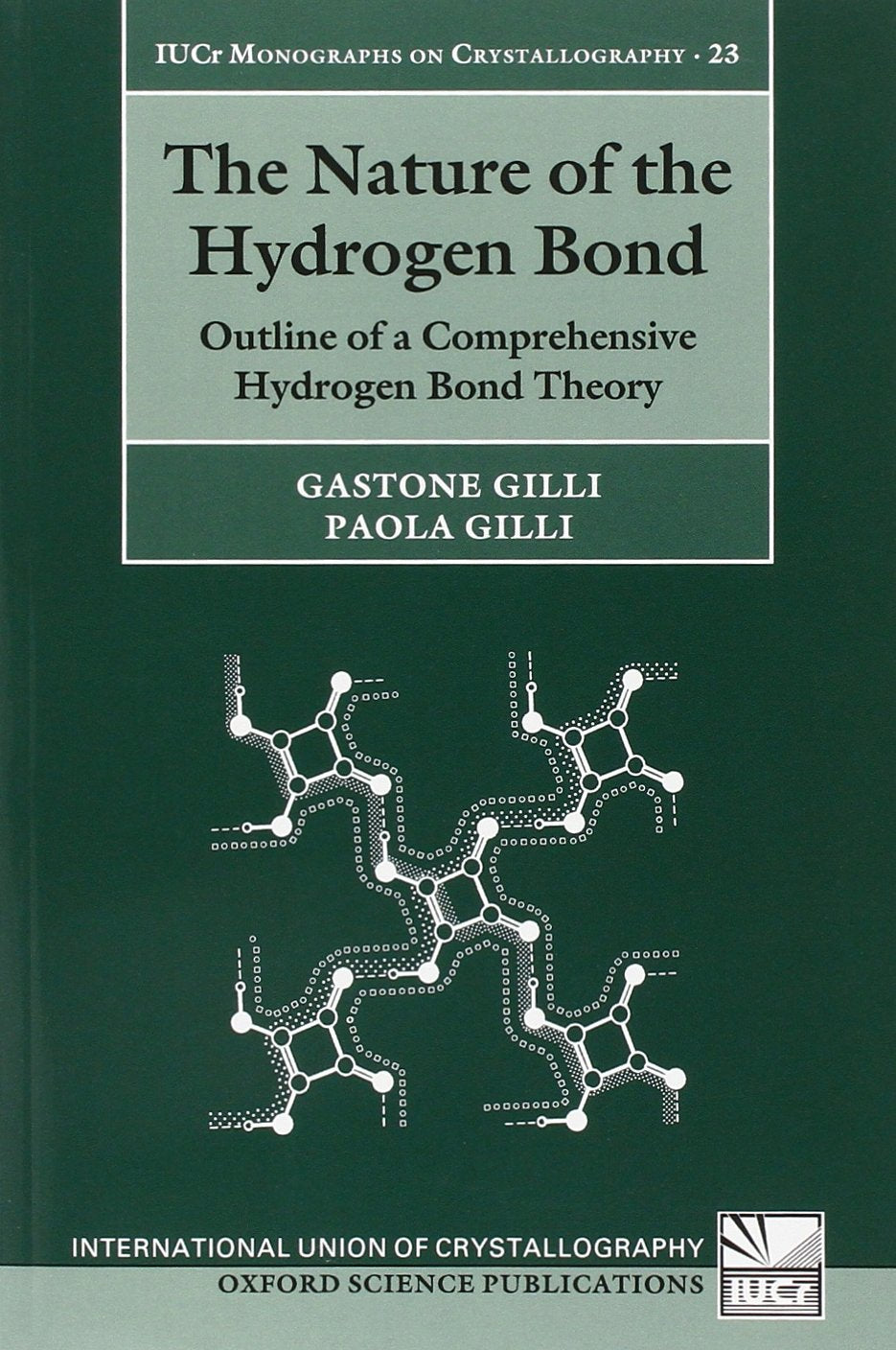
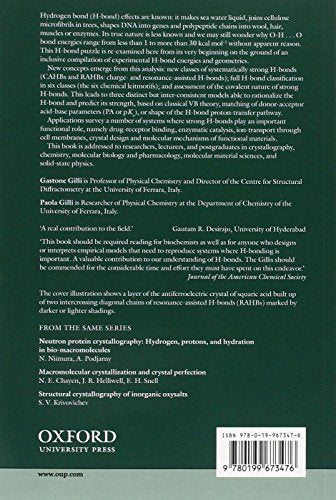
Hydrogen bond (Hbond) effects are known: it makes sea water liquid, joins cellulose microfibrils in trees, shapes DNA into genes and polypeptide chains into wool, hair, muscles or enzymes. Its true nature is less known and we may still wonder why OH...O bond energies range from less than 1 to more than 30 kcal/mol without apparent reason. This Hbond puzzle is reexamined here from its very beginning on the ground of an inclusive compilation of experimental Hbond energies and geometries.New concepts emerge from this analysis: new classes of systematically strong Hbonds (CAHBs and RAHBs: charge and resonanceassisted Hbonds); full Hbond classification in six classes (the six chemical leitmotifs); and assessment of the covalent nature of strong Hbonds. This leads to three distinct but interconsistent models able to rationalize the Hbond and predict its strength, based on classical VB theory, matching of donoracceptor acidbase parameters (PA or pKa), or shape of the Hbond protontransfer pathway.Applications survey a number of systems where strong Hbonds play an important functional role, namely drugreceptor binding, enzymatic catalysis, iontransport through cell membranes, crystal design and molecular mechanisms of functional materials.
⚠️ WARNING (California Proposition 65):
This product may contain chemicals known to the State of California to cause cancer,
birth defects, or other reproductive harm.
For MAP (Minimum Advertised Price) violations and Intellectual Property (IP) or Trademark concerns, please contact:
support@ergodebooks.com
⚠️ California Proposition 65 Warning: Some products sold on this website may expose you to chemicals known to the State of California to cause cancer, birth defects, or other reproductive harm. For more information, visit www.P65Warnings.ca.gov.