
Title
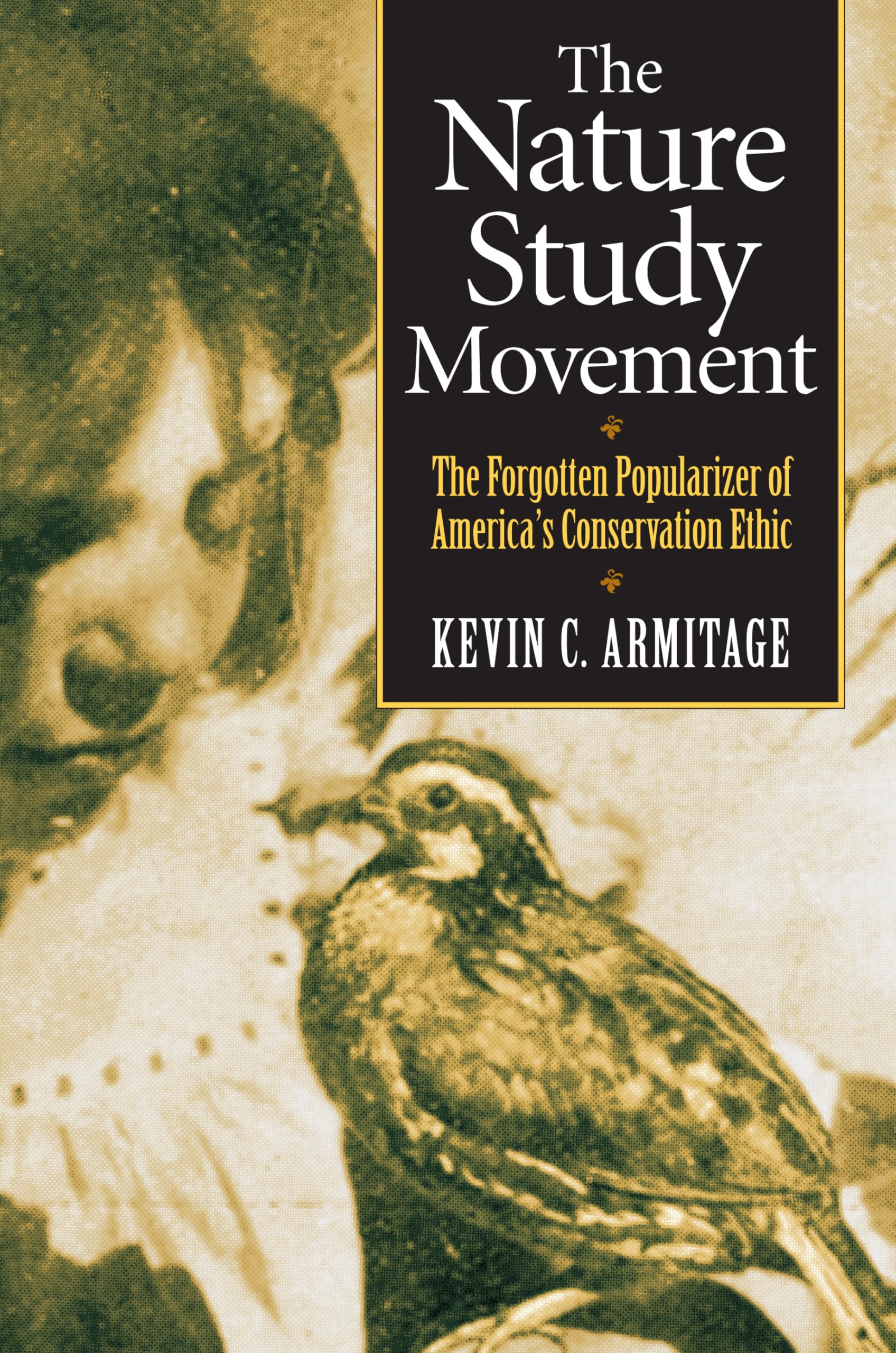
The Nature Study Movement: The Forgotten Popularizer of America's Conservation Ethic,Used
Sold by Ergodebooks, an authorized reseller.
Returns accepted within 30 days | support@ergodebooks.com
Shipping Information
- Free Standard Shipping — United States only
- Processing Time: 3–5 business days
- Estimated Delivery: 6–10 business days after dispatch
- Double-boxed, fully insured & discreetly packaged
- Tracking number sent via email once dispatched
Returns & Refund
Returns accepted within 30 days of delivery.
Damaged or Defective Item
Free return shipping + replacement or full refund
Wrong Item Received
Free return shipping + replacement or full refund
Change of Mind
Return shipping at customer's expense · 25% restocking fee applies
Payment Option

Beginning in the late nineteenth century, thousands of Americans turned to an unexpected pastime that had been theirs to take up all along: the study of nature. Armed with cameras and collecting jars, everyday citizens wandered the country's forests, prairies, and mountains to gain an appreciation of local flora and fauna and to escape the increasingly industrialized world as well.Kevin Armitage presents the first comprehensive history of the nature study movement, demonstrating its significance to American environmental thought and politics. He shows how nature study, as both a pedagogic and popular idea, has had a lasting effect on American culture and society, and his reevaluation of the movement has much to tell us about the American relationship with the nonhuman world.Armitage explains that the ways in which nature study advocates tried to reconcile science with spirit were surprising, incomplete, and sometimes contradictory. As Progressive Era Americans embraced scientific modernity, they became increasingly uneasy about the dispassionate character of social and economic life, turning to nature for unmediated experiences that might enhance the joy of living. By examining the complex ways American culture struggled with science and its application to the natural world, Armitage shows how the development of nature study reflected the social dynamics of an emerging industrial societyand exerted a decisive influence on some of the great conservationists of the twentieth century, including Aldo Leopold and Rachel Carson, both of whom were encouraged to study nature at an early age.Armitage reveals how nature study advocates, notably progressive educators, devoted themselves to inculcating an appreciation of nature among children through direct contact with the natural world. Indeed, by 1907 'Nature Study' had been incorporated into a great many school curricula. He also tells how educators like John Dewey and Booker T. Washington contributed to conservationist thought and includes biographical sketches of some of the major, if often overlooked, nature study conservationists: Anna Botsford Comstock, Ernest Thompson Seton, Mabel Osgood Wright, Gene Stratton Porter, and Liberty Hyde Bailey.The nature study movement left a rich legacy that has been too long overlooked. Armitage shows that the personal study of nature remains central to modern environmentalismand that in nature study one finds much that is universal to modern America.
⚠️ WARNING (California Proposition 65):
This product may contain chemicals known to the State of California to cause cancer, birth defects, or other reproductive harm.
For more information, please visit www.P65Warnings.ca.gov.