
Title
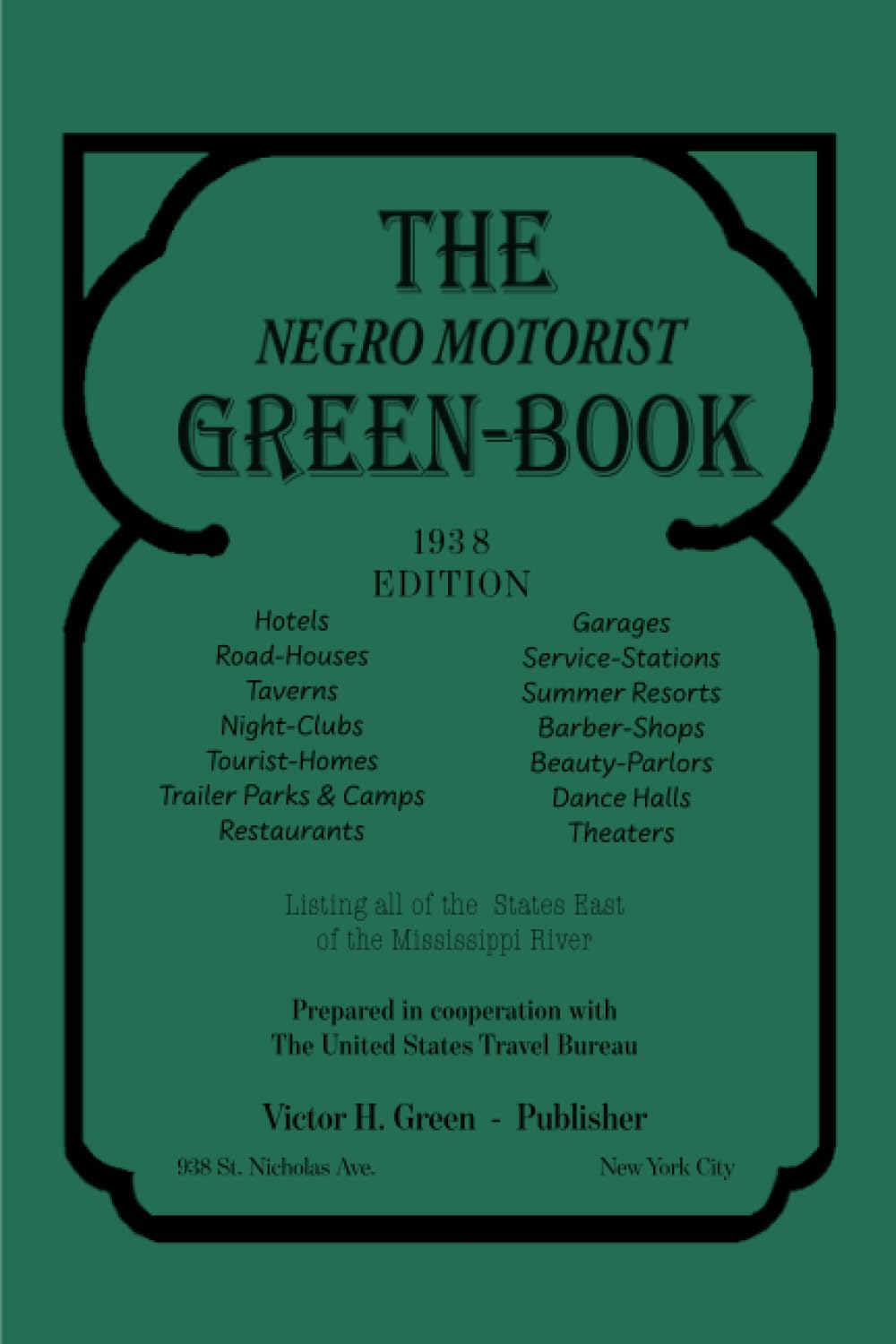
The Negro Motorist GreenBook: 1938 Facsimile Edition,Used
Sold by Ergodebooks, an authorized reseller.
Returns accepted within 30 days | support@ergodebooks.com
Shipping Information
- Free Standard Shipping — United States only
- Processing Time: 3–5 business days
- Estimated Delivery: 6–10 business days after dispatch
- Double-boxed, fully insured & discreetly packaged
- Tracking number sent via email once dispatched
Returns & Refund
Returns accepted within 30 days of delivery.
Damaged or Defective Item
Free return shipping + replacement or full refund
Wrong Item Received
Free return shipping + replacement or full refund
Change of Mind
Return shipping at customer's expense · 25% restocking fee applies
Payment Option

2019 Reprint of 1938 Edition. First Volume of this scarce Automobile Guide from African Americans. The Negro Motorist Green Book was an annual guidebook for African American road trippers. It was originated and published by African American mailman Victor Hugo Green from 1936 to 1966, during the era of Jim Crow laws, when open and often legally prescribed discrimination against African Americans especially and other nonwhites was widespread. Although pervasive racial discrimination and poverty limited black car ownership, the emerging African American middle class bought automobiles as soon as they could, though they faced a variety of dangers and inconveniences along the road, from refusal of food and lodging to arbitrary arrest. In response, Green wrote his guide to services and places relatively friendly to African Americans, eventually expanding its coverage from the New York area to much of North America, as well as founding a travel agency. Many Black Americans took to driving, in part to avoid segregation on public transportation. As the writer George Schuyler put it in 1930, 'all Negroes who can do so purchase an automobile as soon as possible in order to be free of discomfort, discrimination, segregation and insult.' Black Americans employed as athletes, entertainers, and salesmen also traveled frequently for work purposes. Shortly after passage of the Civil Rights Act of 1964, which outlawed the types of racial discrimination that had made the Green Book necessary, publication ceased, and it fell into obscurity. There has been a revived interest in it in the early 21st century in connection with studies of black travel during the Jim Crow era.
⚠️ WARNING (California Proposition 65):
This product may contain chemicals known to the State of California to cause cancer, birth defects, or other reproductive harm.
For more information, please visit www.P65Warnings.ca.gov.