
Title
The New Cultural History Of Peronism: Power And Identity In Midtwentiethcentury Argentina,New
Sold by Ergodebooks, an authorized reseller.
Returns accepted within 30 days | support@ergodebooks.com
Shipping Information
- Free Standard Shipping — United States only
- Processing Time: 3–5 business days
- Estimated Delivery: 6–10 business days after dispatch
- Double-boxed, fully insured & discreetly packaged
- Tracking number sent via email once dispatched
Returns & Refund
Returns accepted within 30 days of delivery.
Damaged or Defective Item
Free return shipping + replacement or full refund
Wrong Item Received
Free return shipping + replacement or full refund
Change of Mind
Return shipping at customer's expense · 25% restocking fee applies
Payment Option

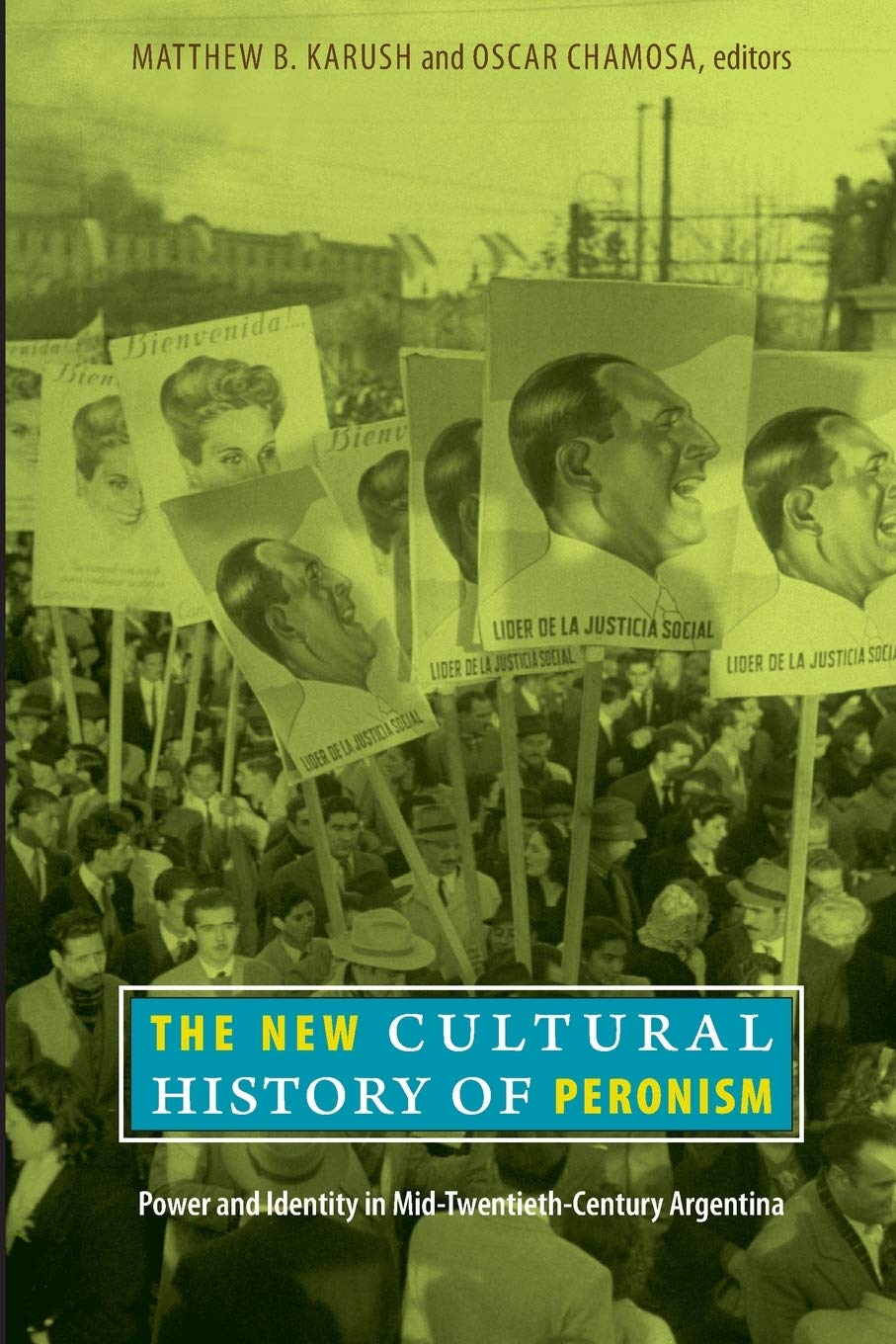
In nearly every account of modern Argentine history, the first Peronist regime (194655) emerges as the critical juncture. Appealing to growing masses of industrial workers, Juan Pern built a powerful populist movement that transformed economic and political structures, promulgated new conceptions and representations of the nation, and deeply polarized the Argentine populace. Yet until now, most scholarship on Peronism has been constrained by a narrow, topdown perspective. Inspired by the pioneering work of the historian Daniel James and new approaches to Latin American cultural history, scholars have recently begun to rewrite the history of midtwentiethcentury Argentina. The New Cultural History of Peronism brings together the best of this important new scholarship.Situating Peronism within the broad arc of twentiethcentury Argentine cultural change, the contributors focus on the interplay of cultural traditions, official policies, commercial imperatives, and popular perceptions. They describe how the Pern regimes rhetoric and representations helped to produce new ideas of national and collective identity. At the same time, they show how Argentines pursued their interests through their engagement with the Peronist project, and, in so doing, pushed the regime in new directions. While the volumes emphasis is on the first Pern presidency, one contributor explores the origins of the regime and two others consider Peronisms transformations in subsequent years. The essays address topics including mass culture and melodrama, folk music, pageants, social respectability, architecture, and the intense emotional investment inspired by Peronism. They examine the experiences of women, indigenous groups, middleclass antiPeronists, internal migrants, academics, and workers. By illuminating the connections between the state and popular consciousness, The New Cultural History of Peronism exposes the contradictions and ambivalences that have characterized Argentine populism.Contributors: Anahi Ballent, Oscar Chamosa, Mara Damilakou, Eduardo Elena, Matthew B. Karush, Diana Lenton, Mirta Zaida Lobato, Natalia Milanesio, Mariano Ben Plotkin, Csar Seveso, Lizel Tornay
⚠️ WARNING (California Proposition 65):
This product may contain chemicals known to the State of California to cause cancer, birth defects, or other reproductive harm.
For more information, please visit www.P65Warnings.ca.gov.