
Title
The New England Village (Creating The North American Landscape),New
Sold by Ergodebooks, an authorized reseller.
Returns accepted within 30 days | support@ergodebooks.com
Shipping Information
- Free Standard Shipping — United States only
- Processing Time: 3–5 business days
- Estimated Delivery: 6–10 business days after dispatch
- Double-boxed, fully insured & discreetly packaged
- Tracking number sent via email once dispatched
Returns & Refund
Returns accepted within 30 days of delivery.
Damaged or Defective Item
Free return shipping + replacement or full refund
Wrong Item Received
Free return shipping + replacement or full refund
Change of Mind
Return shipping at customer's expense · 25% restocking fee applies
Payment Option

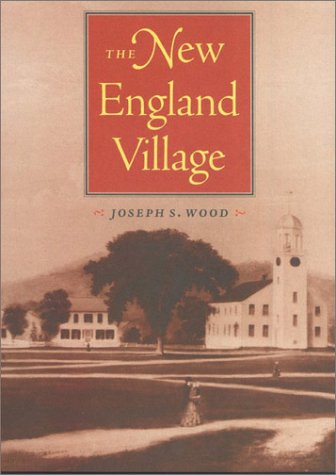
The New England Village, With Its Whitepainted, Blackshuttered, Classicalrevival Buildings Surrounding A Treeshaded Green, Is One Of The Enduring Icons Of The American Historical Imagination. Associated In The Popular Mind With A Time Of Strong Community Values, Discipline, And Economic Stability, The Village Of New England Is For Many The Archetypal 'City On A Hill.' Yet In The New England Village, Joseph S. Wood Argues That This Village Is A Nineteenthcentury Place And Its Association With The Colonial Past A Nineteenthcentury Romantic Invention.New England Colonists Brought With Them A Cultural Predisposition Toward Dispersed Settlements Within Agricultural Spaces Called 'Towns' And 'Villages.' Rarely Compact In Form, These Communities Did, However, Encourage Individual Landholding. By The Early Nineteenth Century, Town Centers, Where Meetinghouses Stood, Began To Develop Into The Center Villages We Recognize Today. Just As Rural New England Began Its Economic Decline, Romantics Associated These Protourban Places With Idealized Colonial Village Communities As The Source Of Both Village Form And Commercial Success.This Provocative Assessment Of The New England Village Encourages Critical Thinking About Landscape Origins And Meanings Ascribed To Them By Different People In Different Periods. We Invent The Past, Wood Concludes, In Our Own Imageas Nineteenthcentury Villagers Did Quite Literally And As Suburban Developers Do Today.
⚠️ WARNING (California Proposition 65):
This product may contain chemicals known to the State of California to cause cancer, birth defects, or other reproductive harm.
For more information, please visit www.P65Warnings.ca.gov.
- Q: How many pages does this book have? A: This book has two hundred twenty-three pages. It provides a detailed exploration of the New England village concept.
- Q: What is the binding type of this book? A: The binding type is paperback. This makes it lightweight and easy to handle for readers.
- Q: What are the dimensions of the book? A: The book measures six inches in length, zero point six one inches in width, and nine point zero two inches in height. These dimensions make it convenient for storage and reading.
- Q: Who is the author of this book? A: The author is Joseph S. Wood. He offers insights into the cultural significance of New England villages.
- Q: What is the genre of this book? A: The genre is landscape studies. It delves into the historical and cultural aspects of New England villages.
- Q: Is this book suitable for academic research? A: Yes, this book is suitable for academic research. It presents critical insights into the historical context of New England villages.
- Q: How should I store this book? A: Store this book in a cool, dry place away from direct sunlight. This will help preserve its condition over time.
- Q: Can I clean the book's cover? A: Yes, you can clean the cover gently with a soft, dry cloth. Avoid using liquids to prevent damage.
- Q: Is this book safe for children? A: Yes, this book is generally safe for children. However, it is more suitable for older children interested in history and culture.
- Q: What themes are explored in this book? A: The book explores themes of community values, economic stability, and the romanticization of colonial life. It provides a critical perspective on these themes.
- Q: How does this book compare to other historical books? A: This book offers a unique perspective on the cultural origins of New England villages, distinguishing it from other historical texts that may focus solely on events.
- Q: What if I receive a damaged copy of the book? A: If you receive a damaged copy, you should contact customer support for a return or exchange. They will assist you with the process.
- Q: Is there a warranty for this book? A: No, there is typically no warranty for books. However, you can return it if it arrives damaged.
- Q: How can I learn more about the author? A: To learn more about Joseph S. Wood, you can search for his other works and publications. This will provide additional context on his expertise.
- Q: Is this book part of a series? A: No, this book is not part of a series. It stands alone as a comprehensive study of the New England village.