
Title
The New Environmental Regulation,Used
Sold by Ergodebooks, an authorized reseller.
Returns accepted within 30 days | support@ergodebooks.com
Shipping Information
- Free Standard Shipping — United States only
- Processing Time: 3–5 business days
- Estimated Delivery: 6–10 business days after dispatch
- Double-boxed, fully insured & discreetly packaged
- Tracking number sent via email once dispatched
Returns & Refund
Returns accepted within 30 days of delivery.
Damaged or Defective Item
Free return shipping + replacement or full refund
Wrong Item Received
Free return shipping + replacement or full refund
Change of Mind
Return shipping at customer's expense · 25% restocking fee applies
Payment Option

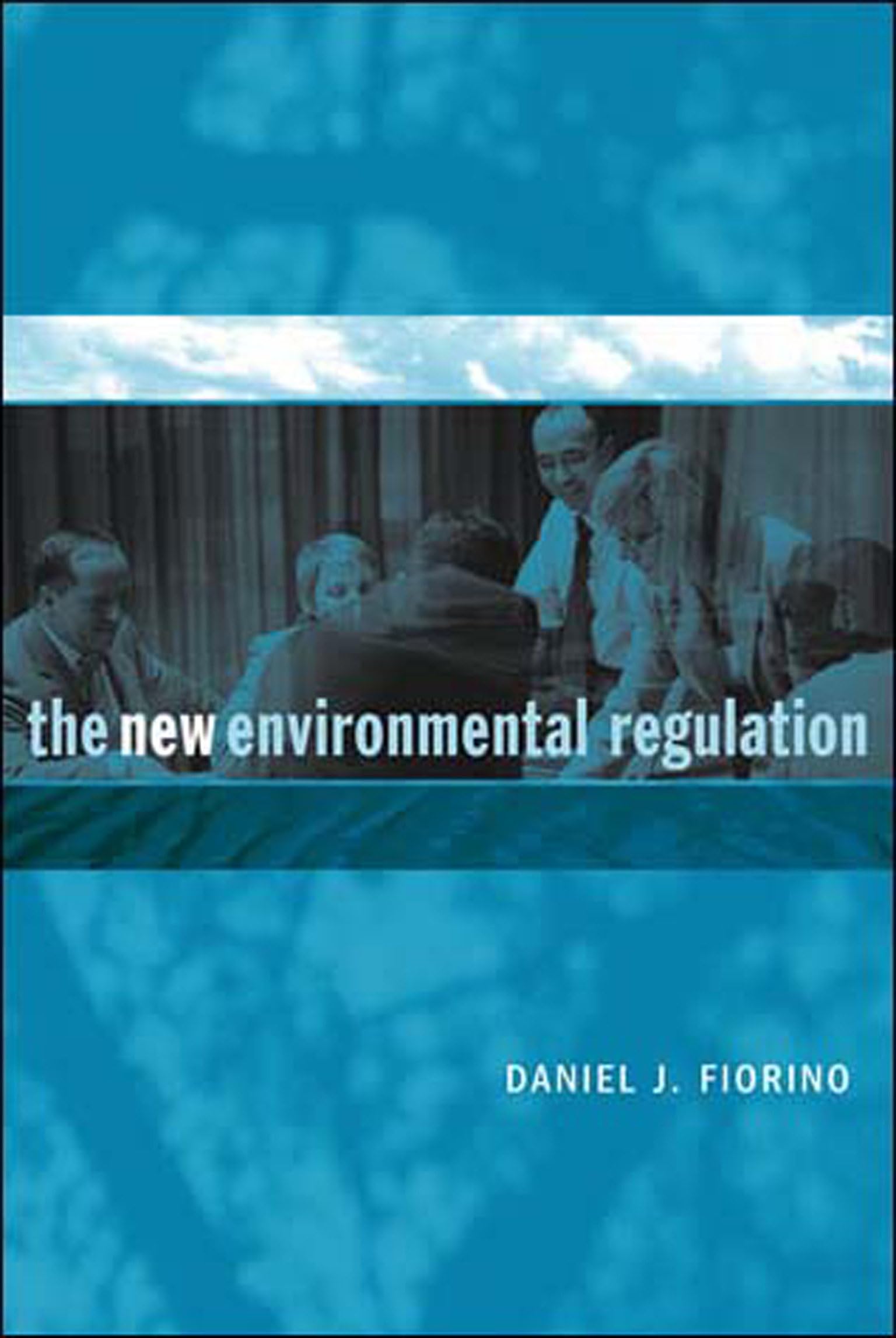
Environmental regulation in the United States has succeeded, to a certain extent, in solving the problems it was designed to address; air, water, and land, are indisputably cleaner and in better condition than they would be without the environmental controls put in place since 1970. But Daniel Fiorino argues in The New Environmental Regulation thatgiven recent environmental, economic, and social changesit is time for a new, more effective model of environmental problem solving. Fiorino provides a comprehensive but concise overview of U.S. environmental regulationits history, its rationale, and its applicationand offers recommendations for a more collaborative, flexible, and performancebased alternative. Traditional environmental regulation was based on the increasingly outdated assumption that environmental protection and business are irreversibly at odds. The new environmental regulation Fiorino describes is based on performance rather than on a narrow definition of compliance and uses such policy instruments as market incentives and performance measurement. It takes into consideration differences in the willingness and capabilities of different firms to meet their environmental obligations, and it encourages innovation by allowing regulated industries, especially the better performers, more flexibility in how they achieve environmental goals. Fiorino points to specific programsincluding the 33/50 Program, innovative permitting, and the use of covenants as environmental policy instruments in the Netherlandsthat have successfully pioneered these new strategies. By bringing together such a wide range of research and real world examples, Fiorino has created an invaluable resource for practitioners and scholars and an engaging text for environmental policy courses.
⚠️ WARNING (California Proposition 65):
This product may contain chemicals known to the State of California to cause cancer, birth defects, or other reproductive harm.
For more information, please visit www.P65Warnings.ca.gov.