
Title
The New Exploration: A Philosophy of Regional Planning,Used
Sold by Ergodebooks, an authorized reseller.
Returns accepted within 30 days | support@ergodebooks.com
Shipping Information
- Free Standard Shipping — United States only
- Processing Time: 3–5 business days
- Estimated Delivery: 6–10 business days after dispatch
- Double-boxed, fully insured & discreetly packaged
- Tracking number sent via email once dispatched
Returns & Refund
Returns accepted within 30 days of delivery.
Damaged or Defective Item
Free return shipping + replacement or full refund
Wrong Item Received
Free return shipping + replacement or full refund
Change of Mind
Return shipping at customer's expense · 25% restocking fee applies
Payment Option

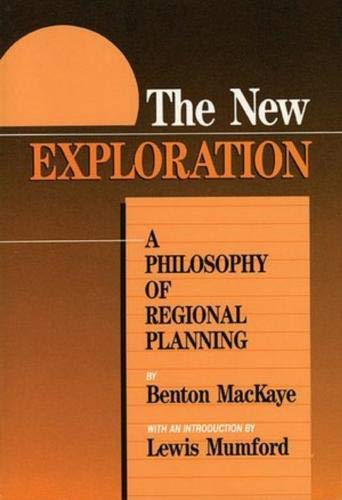
A classic in many planning curricula, this is a 1991 reprint of the 1928 work by the originator of the Appalachian Trail and a founder of The Wilderness Society. The New Yorker in a 1989 series by Tony Hissanalyzing attempts to control growth and preserve the environmentcalled it a longlost classic. This edition includes the 1962 introduction by legendary social critic Lewis Mumford, a close MacKaye associate, and a foreword by planner David N. Startzell, executive director of the Appalachian Trail Conference since 1986.
⚠️ WARNING (California Proposition 65):
This product may contain chemicals known to the State of California to cause cancer, birth defects, or other reproductive harm.
For more information, please visit www.P65Warnings.ca.gov.
- Q: How many pages does the book have? A: The book has two hundred eighty-four pages. This length allows for a comprehensive exploration of regional planning.
- Q: What type of binding does this book have? A: This book is paperback bound. This makes it lightweight and easy to handle for reading.
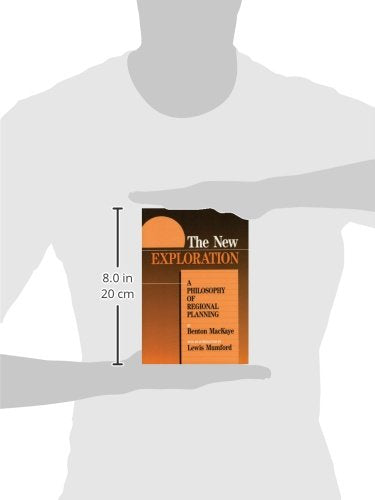
- Q: What are the dimensions of the book? A: The book measures five point five one inches in length, zero point five one inches in width, and eight point five inches in height. These dimensions make it a convenient size for storage.
- Q: Who is the author of this book? A: The author is Benton MacKaye. He is known for being the originator of the Appalachian Trail.
- Q: What is the genre of this book? A: The book falls under the Urban and Land Use Planning genre. It discusses philosophical aspects of regional planning.
- Q: Is this book suitable for beginners? A: Yes, this book is suitable for beginners. It introduces fundamental concepts in regional planning, making it accessible.
- Q: How should I read this book effectively? A: You can read this book at your own pace, taking notes on key concepts. It might help to discuss ideas with others interested in urban planning.
- Q: What age group is this book appropriate for? A: This book is appropriate for adults and older students. It focuses on advanced concepts in planning and philosophy.
- Q: How should I store this book? A: You should store this book in a cool, dry place. Avoid direct sunlight to prevent fading of the cover.
- Q: Is there a need for special care for this book? A: No, there is no need for special care. Just handle it gently and keep it away from moisture.
- Q: Can I return this book if I don't like it? A: Yes, you can return the book if it does not meet your expectations. Check the return policy of the seller for specific details.
- Q: What if the book arrives damaged? A: If the book arrives damaged, you should contact the seller immediately. They will provide instructions for a return or exchange.
- Q: Is this book considered a classic? A: Yes, this book is considered a classic in planning curricula. It has influenced many students and professionals in the field.
- Q: Does this edition include any special content? A: Yes, this edition includes a foreword by David N. Startzell and an introduction by Lewis Mumford. These add valuable insights to the original text.
- Q: What makes this book unique? A: This book is unique due to its historical context and the author's contributions to environmental conservation. It discusses the balance between growth and preservation.
- Q: Is there any additional reading recommended along with this book? A: Yes, reading additional texts on urban planning and environmental philosophy can enhance your understanding. Consider works by other influential planners.