
Title
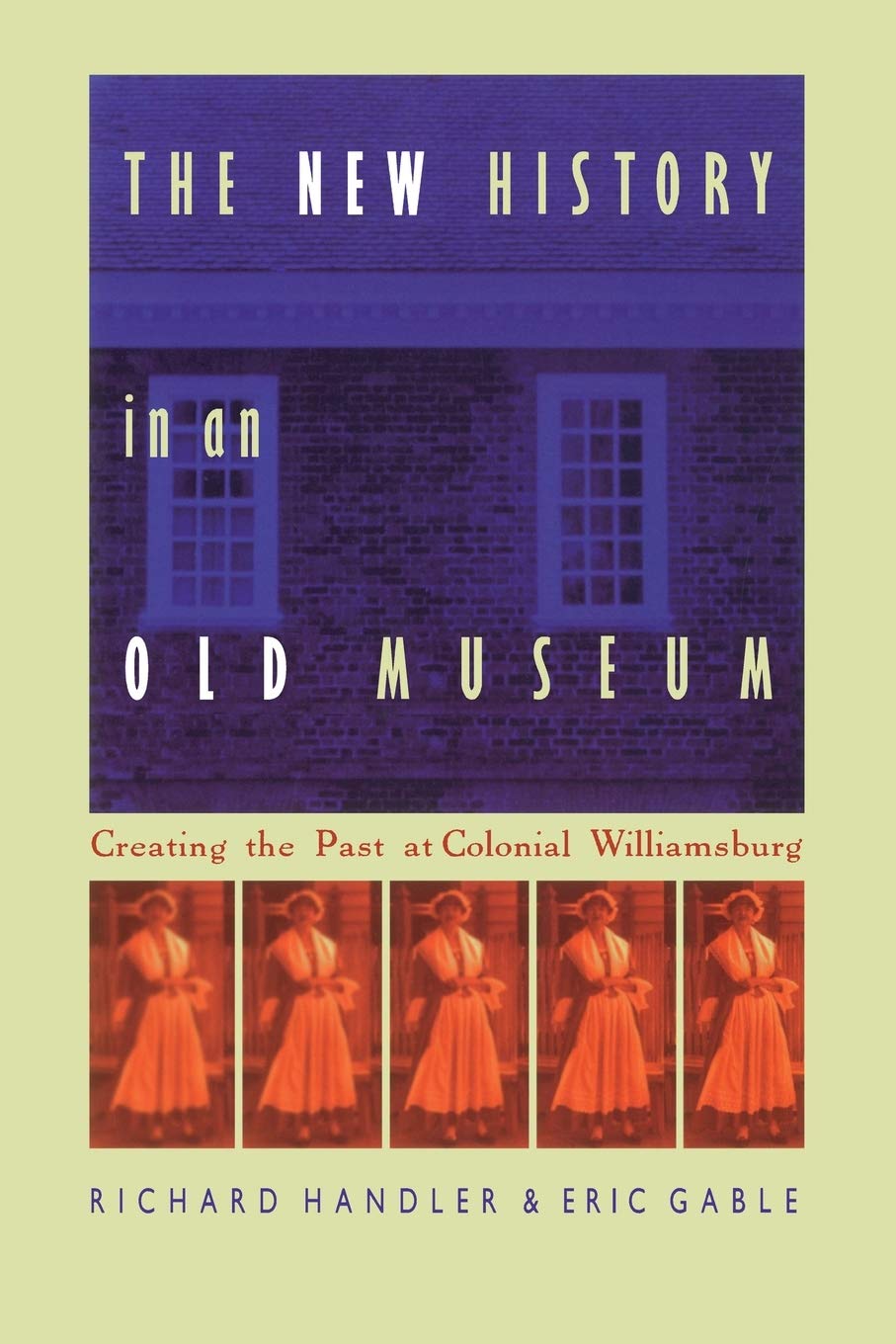
The New History in an Old Museum: Creating the Past at Colonial Williamsburg,New
Sold by Ergodebooks, an authorized reseller.
Returns accepted within 30 days | support@ergodebooks.com
Shipping Information
- Free Standard Shipping — United States only
- Processing Time: 3–5 business days
- Estimated Delivery: 6–10 business days after dispatch
- Double-boxed, fully insured & discreetly packaged
- Tracking number sent via email once dispatched
Returns & Refund
Returns accepted within 30 days of delivery.
Damaged or Defective Item
Free return shipping + replacement or full refund
Wrong Item Received
Free return shipping + replacement or full refund
Change of Mind
Return shipping at customer's expense · 25% restocking fee applies
Payment Option

The New History in an Old Museum is an exploration of 'historical truth' as presented at Colonial Williamsburg. More than a detailed history of a museum and tourist attraction, it examines the packaging of American history, and consumerism and the manufacturing of cultural beliefs. Through extensive fieldworkincluding numerous site visits, interviews with employees and visitors, and archival researchRichard Handler and Eric Gable illustrate how corporate sensibility blends with pedagogical principle in Colonial Williamsburg to blur the lines between education and entertainment, patriotism and revisionism.During much of its existence, the 'living museum' at Williamsburg has been considered a patriotic shrine, celebrating the upscale lifestyles of Virginias colonialera elite. But in recent decades a new generation of social historians has injected a more populist and critical slant to the sites narrative of nationhood. For example, in interactions with museum visitors, employees now relate stories about the experiences of African Americans and women, stories that several years ago did not enter into descriptions of life in Colonial Williamsburg. Handler and Gable focus on the way this public history is managed, as historians and administrators define historiographical policy and middlelevel managers train and direct frontline staff to deliver this 'product' to the public. They explore how visitors consume or modify what they hear and see, and reveal how interpreters and craftspeople resist or acquiesce in being managed. By deploying the voices of these various actors in a richly textured narrative, The New History in an Old Museum highlights the elements of cultural consensus that emerge from this cacophony of conflict and negotiation.
⚠️ WARNING (California Proposition 65):
This product may contain chemicals known to the State of California to cause cancer, birth defects, or other reproductive harm.
For more information, please visit www.P65Warnings.ca.gov.