
Title
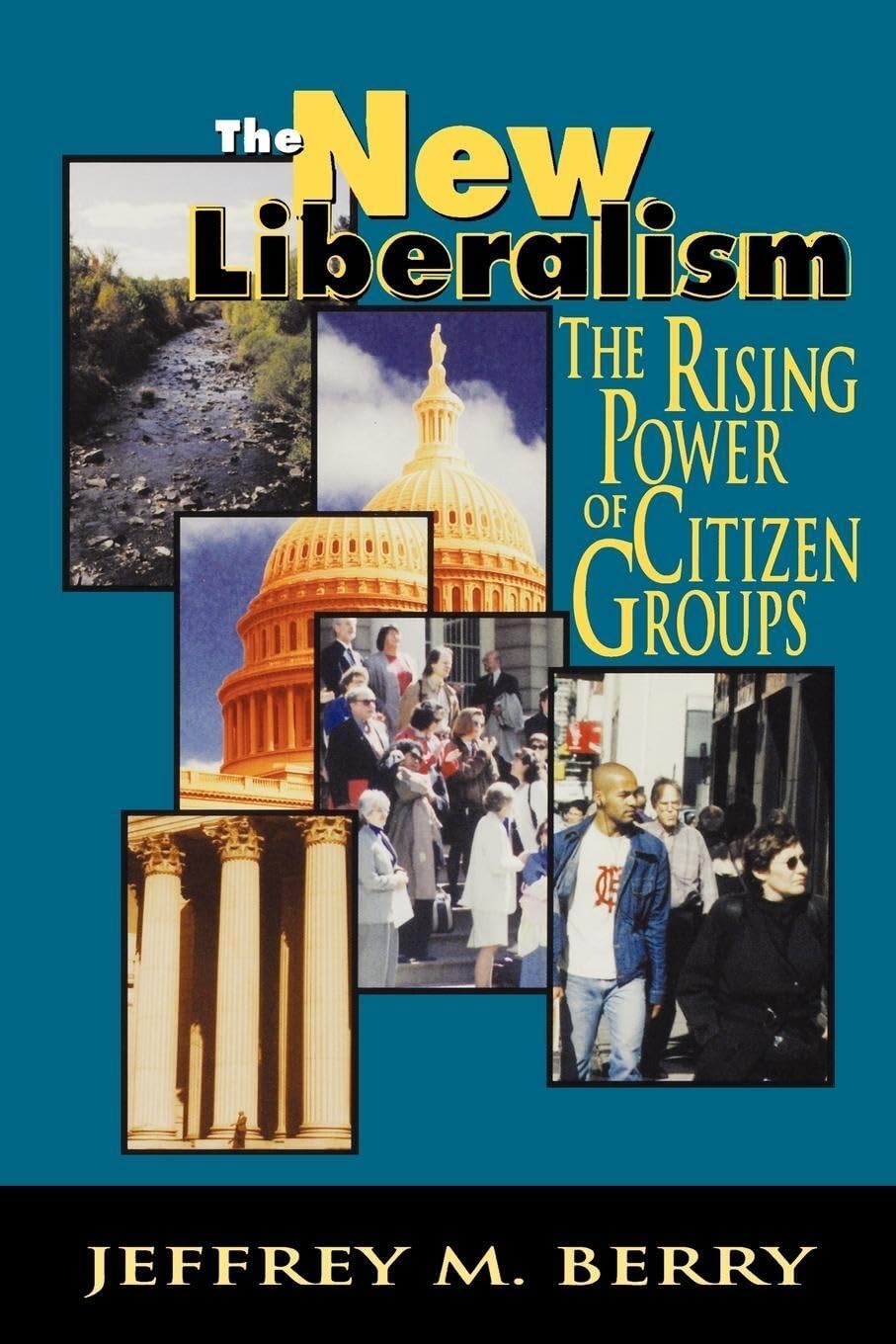
The New Liberalism: The Rising Power Of Citizen Groups,Used
Sold by Ergodebooks, an authorized reseller.
Returns accepted within 30 days | support@ergodebooks.com
Shipping Information
- Free Standard Shipping — United States only
- Processing Time: 3–5 business days
- Estimated Delivery: 6–10 business days after dispatch
- Double-boxed, fully insured & discreetly packaged
- Tracking number sent via email once dispatched
Returns & Refund
Returns accepted within 30 days of delivery.
Damaged or Defective Item
Free return shipping + replacement or full refund
Wrong Item Received
Free return shipping + replacement or full refund
Change of Mind
Return shipping at customer's expense · 25% restocking fee applies
Payment Option

If you think liberalism is dead, think again. In this suretobecontroversial book, Jeffrey M. Berry argues that modern liberalism is not only still alive, it's actually thriving. Today's new liberalism has evolved from a traditional emphasis on breadandbutter economic issues to a form he calls ''postmaterialism''qualityoflife concerns such as enhancing the environment, protecting consumers, or promoting civil rights. Berry credits the new liberalism's success to the rise of liberal citizen lobbying groups. By analyzing the activities of Congress during three sessions (1963, 1979, and 1991), he demonstrates the correlation between the increasing lobbying activities of citizen groups and a dramatic shift in the American political agenda from an early 1960s emphasis on economic equality to today's postmaterialist issues. Although conservative groups also began to emphasize postmaterial concernssuch as abortion and other family value issuesBerry finds that liberal citizen groups have been considerably more effective than conservative ones at getting their goals onto the congressional agenda and enacted into legislation. The book provides many examples of citizen group issues that Congress enacted into law, successes when citizen groups were in direct conflict with business interests and when demands were made on behalf of traditionally marginalized constituencies, such as the women's and civil rights movements. Berry concludes that although liberal citizen groups make up only a small portion of the thousands of lobbying organizations in Washington, they have been, and will continue to be, a major force in shaping the political landscape.'
⚠️ WARNING (California Proposition 65):
This product may contain chemicals known to the State of California to cause cancer, birth defects, or other reproductive harm.
For more information, please visit www.P65Warnings.ca.gov.