
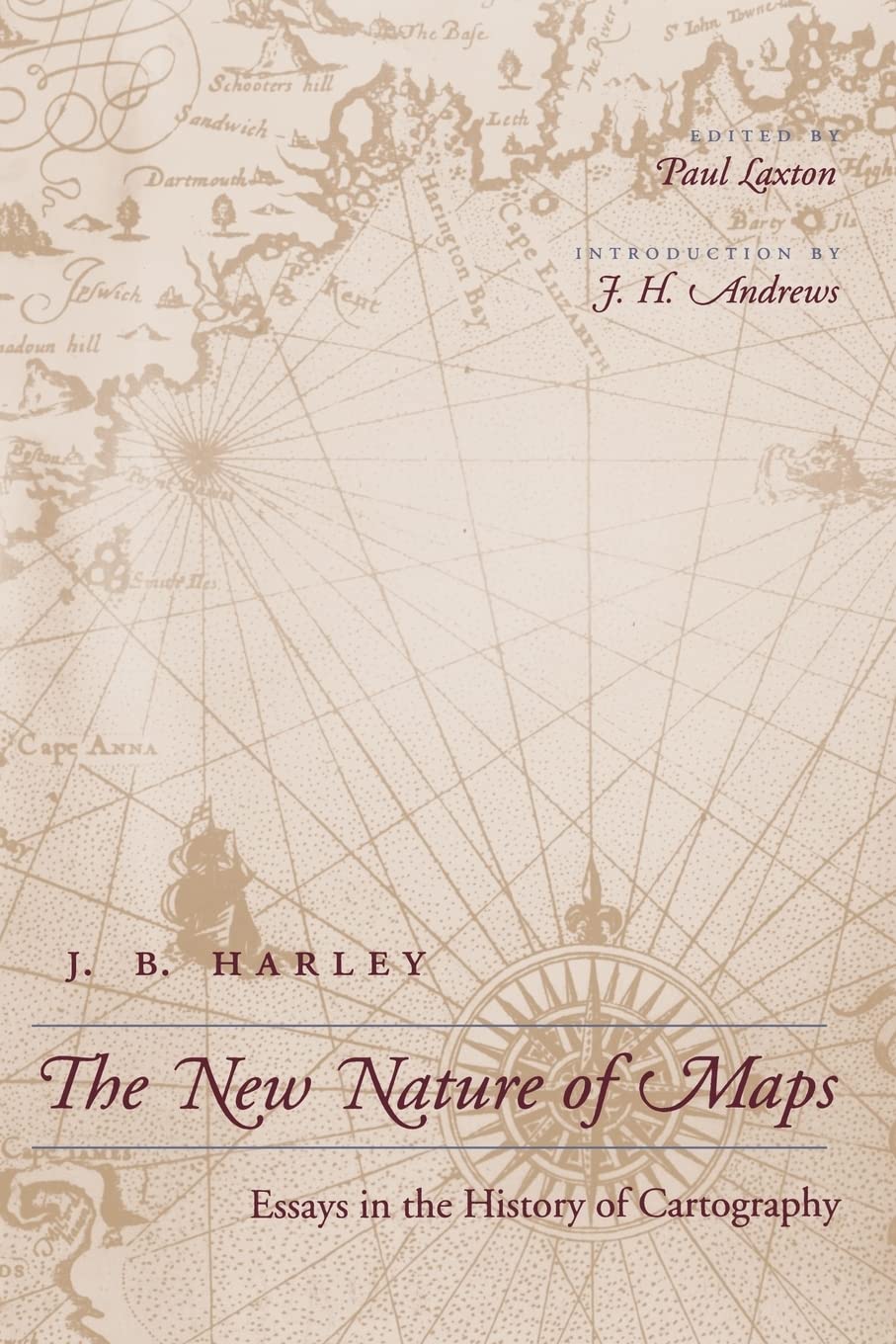
Title
The New Nature of Maps: Essays in the History of Cartography,New
Sold by Ergodebooks, an authorized reseller.
Returns accepted within 30 days | support@ergodebooks.com
Shipping Information
- Free Standard Shipping — United States only
- Processing Time: 3–5 business days
- Estimated Delivery: 6–10 business days after dispatch
- Double-boxed, fully insured & discreetly packaged
- Tracking number sent via email once dispatched
Returns & Refund
Returns accepted within 30 days of delivery.
Damaged or Defective Item
Free return shipping + replacement or full refund
Wrong Item Received
Free return shipping + replacement or full refund
Change of Mind
Return shipping at customer's expense · 25% restocking fee applies
Payment Option

In this collection of essays J. B. Harley (19321991) draws on ideas in art history, literature, philosophy, and the study of visual culture to subvert the traditional, 'positivist' model of cartography, replacing it with one that is grounded in an iconological and semiotic theory of the nature of maps. He defines a map as a 'social construction' and argues that maps are not simple representations of reality but exert profound influences upon the way space is conceptualized and organized. A central theme is the way in which powerwhether military, political, religious, or economicbecomes inscribed on the land through cartography. In this new reading of maps and map making, Harley undertakes a surprising journey into the nature of the social and political unconscious.
⚠️ WARNING (California Proposition 65):
This product may contain chemicals known to the State of California to cause cancer, birth defects, or other reproductive harm.
For more information, please visit www.P65Warnings.ca.gov.
- Q: How many pages does this book have? A: This book has three hundred fifty-two pages. It provides a comprehensive exploration of the history of cartography through essays.
- Q: What are the dimensions of this book? A: The dimensions of this book are five point nine eight inches in length, zero point seven five inches in width, and nine point zero two inches in height. These measurements make it easy to handle and store.
- Q: What type of binding does this book have? A: This book is bound in paperback. Paperback binding is lightweight and flexible, making it accessible for casual reading.
- Q: Who is the author of this book? A: The author of this book is J. B. Harley. He was known for his significant contributions to the field of cartography.
- Q: What is the main subject of this book? A: The main subject of this book is the history of cartography. It examines how maps influence our understanding of space and power.
- Q: What is the recommended reading level for this book? A: The recommended reading level for this book is suited for adults and advanced students. It delves into complex themes in art and social theory.
- Q: How should I care for this book? A: To care for this book, keep it in a cool, dry place and avoid exposure to direct sunlight. Proper storage will help preserve its condition.
- Q: Can I clean this book if it gets dirty? A: Yes, you can clean this book gently with a soft, dry cloth. Avoid using water or cleaners, as they may damage the pages.
- Q: Does this book contain any harmful materials? A: No, this book does not contain any hazardous materials. It is printed using standard publishing practices.
- Q: What themes are discussed in this book? A: This book discusses themes of power, representation, and the social construction of maps. It offers a critical view of traditional cartography.
- Q: Is this book suitable for beginners in cartography? A: This book is not primarily aimed at beginners. It is more suited for those with a foundational understanding of cartography and visual culture.
- Q: How does this book compare to other cartography books? A: This book offers a unique perspective by integrating art history and philosophy into the study of cartography, differing from more technical texts.
- Q: What if the book arrives damaged? A: If the book arrives damaged, you should contact the seller for a return or exchange policy. Most sellers offer a satisfaction guarantee.
- Q: What if I have questions about the book after purchasing? A: If you have questions after purchasing, consider reaching out to the publisher or checking online forums dedicated to cartography and history.
- Q: Is there a warranty for this book? A: No, there is typically no warranty for books. However, most retailers have return policies to address any issues you may encounter.