
Title
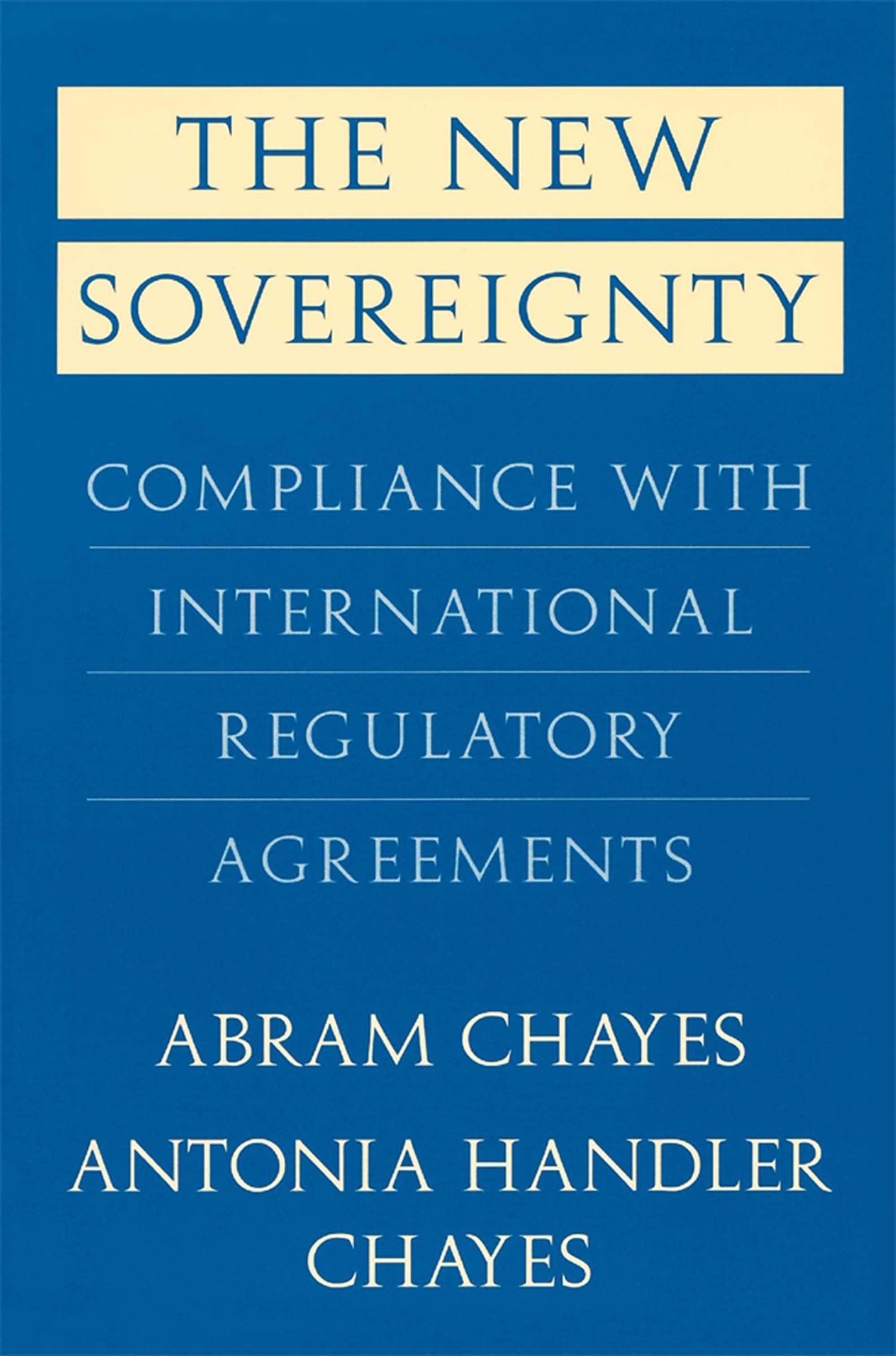
The New Sovereignty: Compliance with International Regulatory Agreements,Used
Sold by Ergodebooks, an authorized reseller.
Returns accepted within 30 days | support@ergodebooks.com
Shipping Information
- Free Standard Shipping — United States only
- Processing Time: 3–5 business days
- Estimated Delivery: 6–10 business days after dispatch
- Double-boxed, fully insured & discreetly packaged
- Tracking number sent via email once dispatched
Returns & Refund
Returns accepted within 30 days of delivery.
Damaged or Defective Item
Free return shipping + replacement or full refund
Wrong Item Received
Free return shipping + replacement or full refund
Change of Mind
Return shipping at customer's expense · 25% restocking fee applies
Payment Option

In an increasingly complex and interdependent world, states resort to a bewildering array of regulatory agreements to deal with problems as disparate as climate change, nuclear proliferation, international trade, satellite communications, species destruction, and intellectual property. In such a system, there must be some means of ensuring reasonably reliable performance of treaty obligations. The standard approach to this problem, by academics and politicians alike, is a search for treaties with 'teeth'military or economic sanctions to deter and punish violation.The New Sovereignty argues that this approach is misconceived. Cases of coercive enforcement are rare, and sanctions are too costly and difficult to mobilize to be a reliable enforcement tool. As an alternative to this 'enforcement' model, the authors propose a 'managerial' model of treaty compliance. It relies on the elaboration and application of treaty norms in a continuing dialogue between the partiesinternational officials and nongovernmental organizationsthat generates pressure to resolve problems of noncompliance. In the process, the norms and practices of the regime themselves evolve and develop.The authors take a broad look at treaties in many different areas: arms control, human rights, labor, the environment, monetary policy, and trade. The extraordinary wealth of examples includes the Iran airbus shootdown, Libya's suit against Great Britain and the United States in the Lockerbie case, the war in Bosnia, and Iraq after the Gulf War.The authors conclude that sovereigntythe status of a recognized actor in the international systemrequires membership in good standing in the organizations and regimes through which the world manages its common affairs. This requirement turns out to be the major pressure for compliance with treaty obligations. This book will be an invaluable resource and casebook for scholars, policymakers, international public servants, lawyers, and corporate executives.
⚠️ WARNING (California Proposition 65):
This product may contain chemicals known to the State of California to cause cancer, birth defects, or other reproductive harm.
For more information, please visit www.P65Warnings.ca.gov.