
Title
The Next Shift: The Fall Of Industry And The Rise Of Health Care In Rust Belt America,New
Sold by Ergodebooks, an authorized reseller.
Returns accepted within 30 days | support@ergodebooks.com
Shipping Information
- Free Standard Shipping — United States only
- Processing Time: 3–5 business days
- Estimated Delivery: 6–10 business days after dispatch
- Double-boxed, fully insured & discreetly packaged
- Tracking number sent via email once dispatched
Returns & Refund
Returns accepted within 30 days of delivery.
Damaged or Defective Item
Free return shipping + replacement or full refund
Wrong Item Received
Free return shipping + replacement or full refund
Change of Mind
Return shipping at customer's expense · 25% restocking fee applies
Payment Option

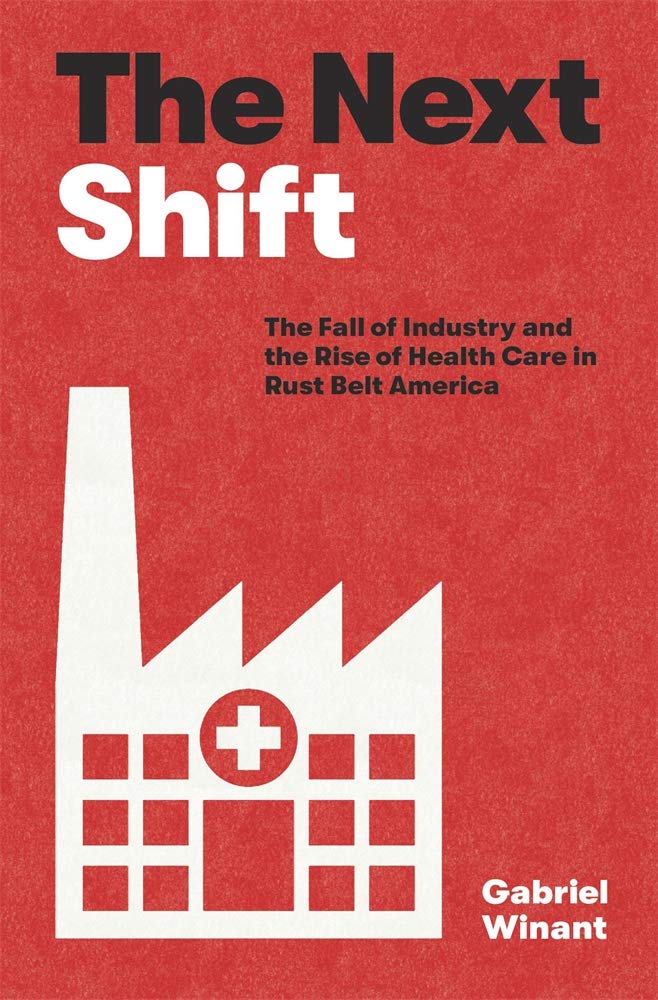
Winner of the Frederick Jackson Turner AwardWinner of the Isaac and Tamara Deutscher Memorial PrizeWinner of the C. L. R. James AwardA ProMarket Best Political Economy Book of the YearMen in hardhats were once the heart of Americas working class; now it is women in scrubs. What does this shift portend for our future?Pittsburgh was once synonymous with steel. But today most of its mills are gone. Like so many places across the United States, a city that was a center of bluecollar manufacturing is now dominated by the service economyparticularly health care, which employs more Americans than any other industry. Gabriel Winant takes us inside the Rust Belt to show how Americas cities have weathered new economic realities. In Pittsburghs neighborhoods, he finds that a new working class has emerged in the wake of deindustrialization.As steelworkers and their families grew older, they required more health care. Even as the industrial economy contracted sharply, the care economy thrived. Hospitals and nursing homes went on hiring sprees. But many care jobs bear little resemblance to the manufacturing work the city lost. Unlike their bluecollar predecessors, home health aides and hospital staff work unpredictable hours for low pay. And the new working class disproportionately comprises women and people of color.Today health care workers are on the front lines of our most pressing crises, yet we have been slow to appreciate that they are the face of our twentyfirstcentury workforce. The Next Shift offers unique insights into how we got here and what could happen next. If health care employees, along with other essential workers, can translate the increasing recognition of their economic value into political power, they may become a major force in the twentyfirst century.
⚠️ WARNING (California Proposition 65):
This product may contain chemicals known to the State of California to cause cancer, birth defects, or other reproductive harm.
For more information, please visit www.P65Warnings.ca.gov.