
Title
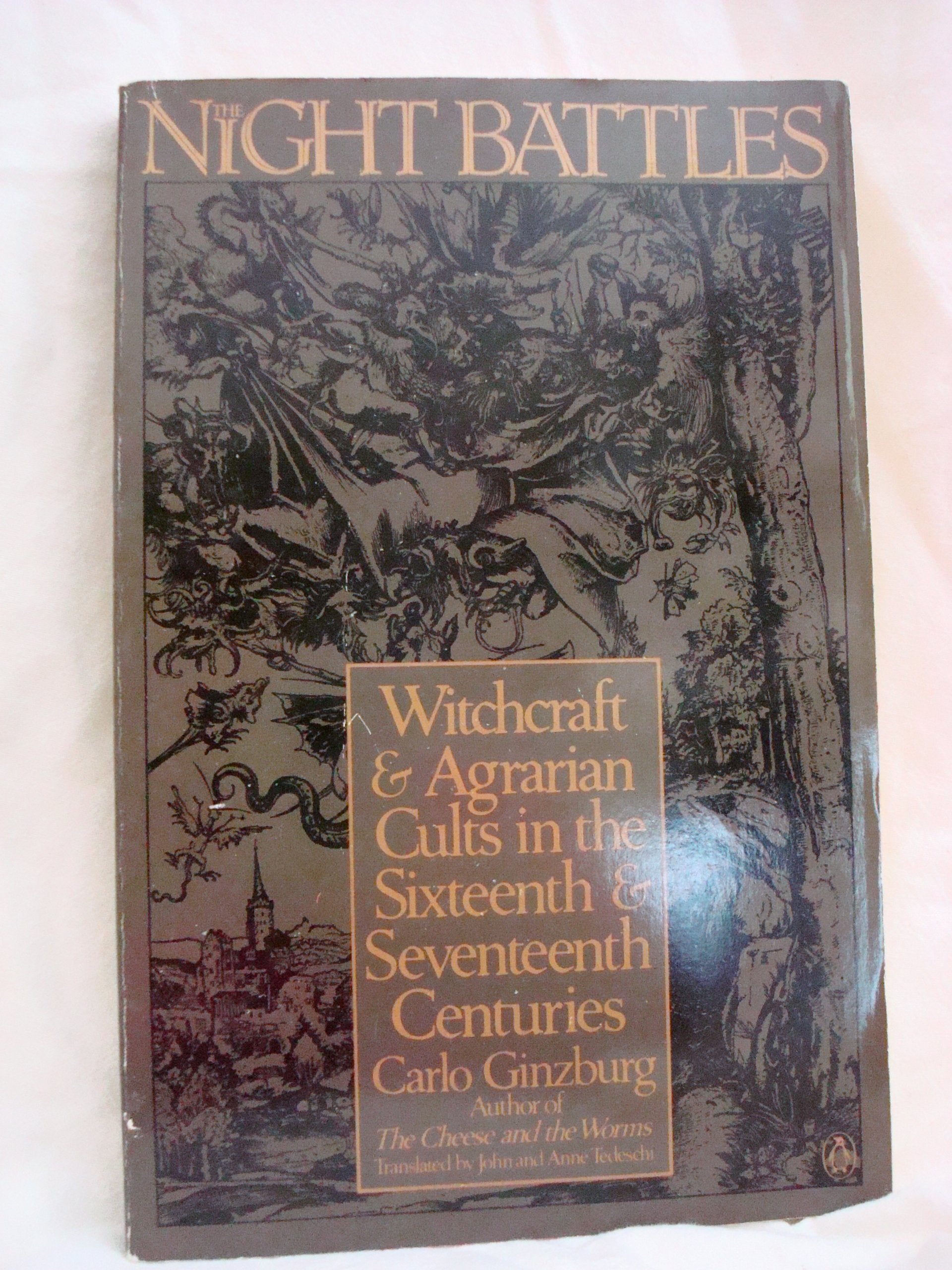
The Night Battles: Witchcraft & Agrarian Cults In The Sixteenth & Seventeenth Centuries,Used
Sold by Ergodebooks, an authorized reseller.
Returns accepted within 30 days | support@ergodebooks.com
Shipping Information
- Free Standard Shipping — United States only
- Processing Time: 3–5 business days
- Estimated Delivery: 6–10 business days after dispatch
- Double-boxed, fully insured & discreetly packaged
- Tracking number sent via email once dispatched
Returns & Refund
Returns accepted within 30 days of delivery.
Damaged or Defective Item
Free return shipping + replacement or full refund
Wrong Item Received
Free return shipping + replacement or full refund
Change of Mind
Return shipping at customer's expense · 25% restocking fee applies
Payment Option

Based On Research In The Inquisitorial Archives, The Book Recounts The Story Of A Peasant Fertility Cult Centred On The Benandanti. These Men And Women Regarded Themselves As Professional Antiwitches, Who (In Dreamlike States) Apparently Fought Ritual Battles Against Witches And Wizards, To Protect Their Villages And Harvests. If They Won, The Harvest Would Be Good, If They Lost, There Would Be Famine. The Inquisitors Tried To Fit Them Into Their Preexisting Images Of The Witches
⚠️ WARNING (California Proposition 65):
This product may contain chemicals known to the State of California to cause cancer, birth defects, or other reproductive harm.
For more information, please visit www.P65Warnings.ca.gov.
- Q: How many pages does the book have? A: The book has two hundred and nine pages. This length provides ample detail on the subject matter of witchcraft and agrarian cults.
- Q: What is the binding type of this book? A: The book is paperback. This makes it lightweight and easy to handle for reading.
- Q: What are the dimensions of the book? A: The book measures five point ninety-eight inches in length, zero point sixty-three inches in width, and nine point fifteen inches in height. These dimensions make it a standard size for paperback books.
- Q: Who is the author of this book? A: The author is Carlo Ginzburg. He is well-known for his work on cultural history and witchcraft.
- Q: What category does this book fall under? A: The book is categorized under History. It delves into the historical context of witchcraft and agrarian cults.
- Q: What is the main theme of the book? A: The main theme revolves around the cultural clash between peasant fertility cults and inquisitorial forces. It explores the transformation of popular notions of witchcraft.
- Q: Is this book suitable for young readers? A: No, this book is not specifically aimed at young readers. It discusses complex historical themes that may not be appropriate for children.
- Q: How can I read this book effectively? A: To read this book effectively, it is best to take notes on key themes and characters. Engaging with the text critically will enhance understanding.
- Q: What is the reading level of this book? A: This book is suitable for adult readers. Its topics and language may be challenging for younger audiences.
- Q: How should I store this book? A: Store the book in a cool, dry place, away from direct sunlight. This helps preserve its condition and prevents fading.
- Q: Can I clean the book if it gets dirty? A: Yes, you can clean the book gently. Use a dry microfiber cloth to remove dust and avoid using liquids.
- Q: What if the book arrives damaged? A: If the book arrives damaged, you should contact the seller for a return or exchange. Most sellers have policies for damaged goods.
- Q: How can I compare this book to other historical texts? A: This book can be compared to other historical texts by examining its focus on cultural clashes. Look for works that also explore witchcraft or rural beliefs.
- Q: Is this book appropriate for a history class? A: Yes, this book is appropriate for a history class. It provides valuable insights into witchcraft and cultural history.
- Q: What types of issues are discussed in this book? A: The book discusses issues like cultural identity, superstition, and the impact of inquisitorial actions on rural communities.
- Q: What if I want to learn more about the author? A: If you want to learn more about the author, you can explore his other works and biographical information available online or at libraries.