If you have any questions, you are always welcome to contact us. We'll get back to you as soon as possible, withing 24 hours on weekdays.
Customer service
All questions about your order, return and delivery must be sent to our customer service team by e-mail at yourstore@yourdomain.com
Sale & Press
If you are interested in selling our products, need more information about our brand or wish to make a collaboration, please contact us at press@yourdomain.com
Help
If you have any questions, you are always welcome to contact us. We'll get back to you as soon as possible, withing 24 hours on weekdays.
Customer service
All questions about your order, return and delivery must be sent to our customer service team by e-mail at yourstore@yourdomain.com
Sale & Press
If you are interested in selling our products, need more information about our brand or wish to make a collaboration, please contact us at press@yourdomain.com
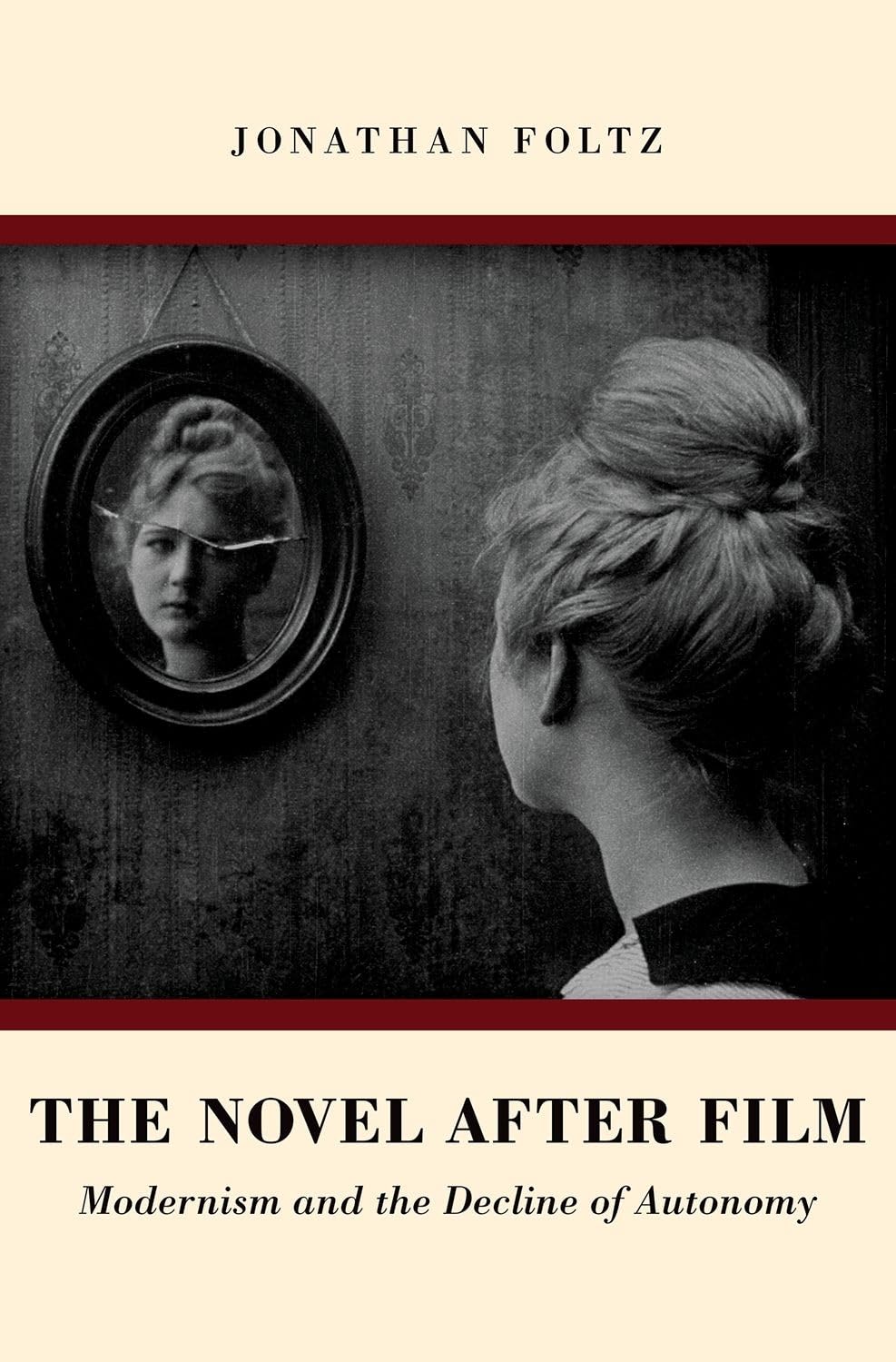
According to prevailing media histories, film long ago ought to have rendered the novel obsolete. The irony of this story is that the 'death of the novel' at the hands of film has for a long time now been a pervasive trope of the novel's continued reinvention. The Novel After Film offers a substantial reassessment of this paradoxical new condition of novelistic practice in which writers have reimagined the novel in the shadow of film. In the cinema, a generation of modernist writers found a medium whose bad form was also laced with the glamor of the popular, and whose unfamiliar visual language seemed to harbor a future for innovative writing after modernism. How did the cinemawith its crude continuities, crowded theaters, stock plots, and ghostly imagesseem to flout conventional ideas of narrative form? What new literacies of experience and representation did film seem to promise?As The Novel After Film demonstrates, this fascination with film was played out against the backdrop of a growing discourse about the novel's respectability. As the modern novel was increasingly venerated as a genre of aesthetic refinement, authors such as Virginia Woolf, H. D., Henry Green and Aldous Huxley turned their attention to the cinema in search of alternative aesthetic histories. For authors working in modernism's atmosphere of heightened formal sophistication, film's bad form took on a perverse attraction. In this way, film played a key role in helping writers negotiate a transforming public culture which seemed to be leaving the novel behind.
⚠️ WARNING (California Proposition 65):
This product may contain chemicals known to the State of California to cause cancer,
birth defects, or other reproductive harm.
For MAP (Minimum Advertised Price) violations and Intellectual Property (IP) or Trademark concerns, please contact:
support@ergodebooks.com
⚠️ California Proposition 65 Warning: Some products sold on this website may expose you to chemicals known to the State of California to cause cancer, birth defects, or other reproductive harm. For more information, visit www.P65Warnings.ca.gov.