If you have any questions, you are always welcome to contact us. We'll get back to you as soon as possible, withing 24 hours on weekdays.
Customer service
All questions about your order, return and delivery must be sent to our customer service team by e-mail at yourstore@yourdomain.com
Sale & Press
If you are interested in selling our products, need more information about our brand or wish to make a collaboration, please contact us at press@yourdomain.com
Help
If you have any questions, you are always welcome to contact us. We'll get back to you as soon as possible, withing 24 hours on weekdays.
Customer service
All questions about your order, return and delivery must be sent to our customer service team by e-mail at yourstore@yourdomain.com
Sale & Press
If you are interested in selling our products, need more information about our brand or wish to make a collaboration, please contact us at press@yourdomain.com
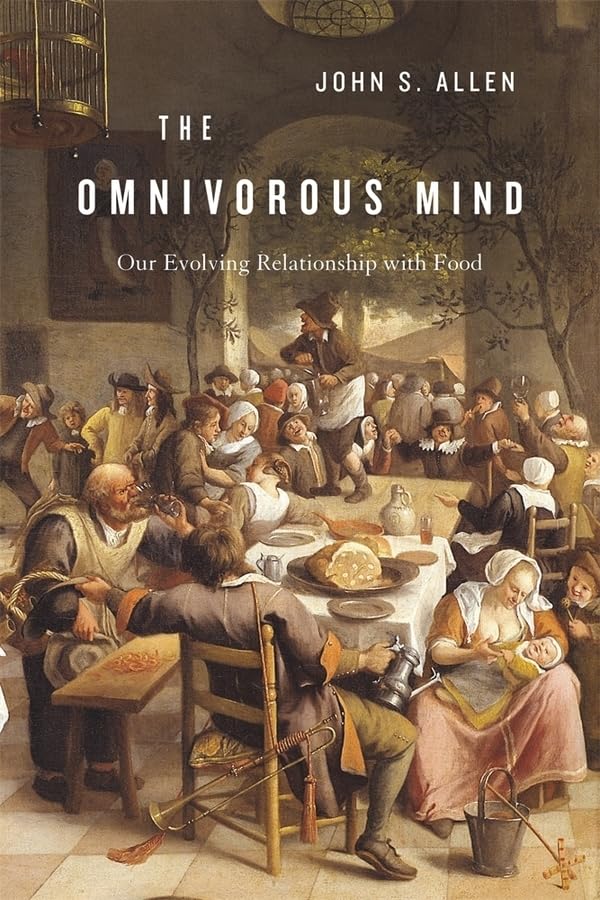
In this gustatory tour of human history, John S. Allen demonstrates that the everyday activity of eating offers deep insights into human beings biological and cultural heritage.We humans eat a wide array of plants and animals, but unlike other omnivores we eat with our minds as much as our stomachs. This thoughtful relationship with food is part of what makes us a unique species, and makes culinary cultures diverse. Not even our closest primate relatives think about food in the way Homo sapiens does. We are superomnivores whose palates reflect the natural history of our species.Drawing on the work of food historians and chefs, anthropologists and neuroscientists, Allen starts out with the diets of our earliest ancestors, explores cookings role in our evolving brain, and moves on to the preoccupations of contemporary foodies. The Omnivorous Mind delivers insights into food aversions and cravings, our compulsive need to label foods as good or bad, dietary deviation from healthy food pyramids, and crosscultural attitudes toward eating (with the French, bien sr, exemplifying the pursuit of gastronomic pleasure).To explain, for example, the worldwide popularity of crispy foods, Allen considers first the food habits of our insecteating relatives. He also suggests that the sound of crunch may stave off dietary boredom by adding variety to sensory experience. Or perhaps fried foods, which we think of as bad for us, interject a frisson of illicit pleasure. When it comes to eating, Allen shows, theres no one way to account for taste.
⚠️ WARNING (California Proposition 65):
This product may contain chemicals known to the State of California to cause cancer,
birth defects, or other reproductive harm.
For MAP (Minimum Advertised Price) violations and Intellectual Property (IP) or Trademark concerns, please contact:
support@ergodebooks.com
⚠️ California Proposition 65 Warning: Some products sold on this website may expose you to chemicals known to the State of California to cause cancer, birth defects, or other reproductive harm. For more information, visit www.P65Warnings.ca.gov.